
What Causes Ice Dams and How to Prevent Them (NJ Homeowner’s Guide)
NJ Winter 2026: What’s worse? The ‘damn ice!’ or the ‘Ice Dams?’ Well, for most NJ residents living through the winter of 2026, it does not matter if that ‘damn ice’ is underfoot, bringing slips and falls, or they spot the possible sign of an ice dam over the head, in the long, ‘pretty’ icicles that hang from the gutters or roof edge! Snow and ice can make for problems for NJ homeowners!
Table of Contents
What Is A Roof Ice Dam
To prevent slipping and falling on ice underfoot, wise NJ homeowners spread rock salt, comprised of sodium chloride, or a rock salt blend known as ice melt, containing calcium chloride, to the driveway or walkway pavement. That solves the problem of that ‘damn ice’ underfoot.
To prevent an ice dam over one’s head, it’s best first to understand what an ice dam is: a ridge of ice that forms at the edge of a roof, preventing melted roof snow from draining into the roof gutters and down the leaders.
The Cause Of Roof Ice Dams
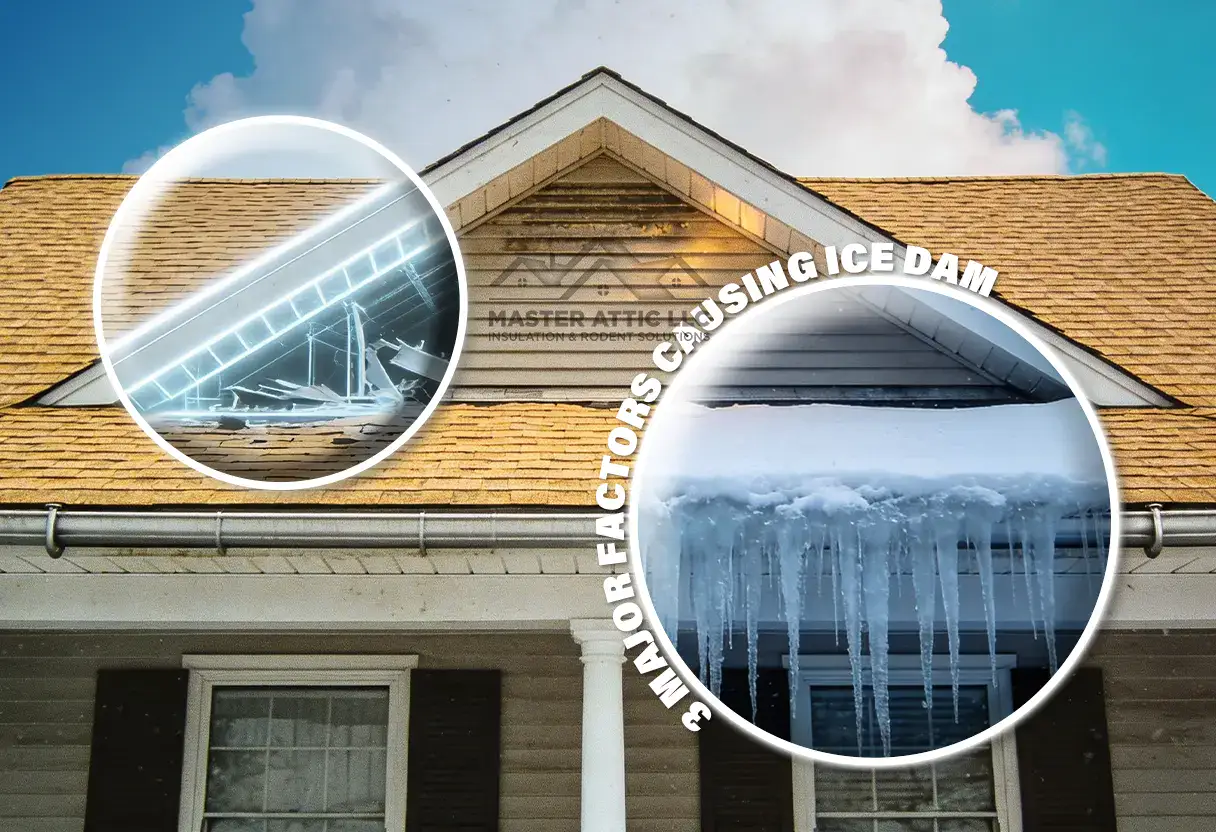
The cause of this ice dam on the roof is due to three factors:
- Snow Covering The Roof.
- Heat Loss From The Attic Space.
- A Roof Temperature Above 32 degrees In Higher Area Of Roof, with a lower temperature in another area of roof. The snow on the roof above 32 degrees begins to melt, while the lower roof surface remains below 32 degrees. Water on the roof from melting snow flows down the roof and refreezes, forming an ice dam that prevents water from escaping into the gutter and down the leader. The water then drips over the roof ridge, forming long icicles!
The Danger Of A Roof Ice Dam
As dangerous as ice is under the feet of NJ homeowners, so too are those ice dams over the head — and not just because those formed icicles can come crashing down onto the head! The true danger of an ice dam lies in the repeated thawing and freezing of melting snow. This freezing and thawing, left unattended, can cause more melted snow higher up on the roof to back up behind the ice dam, causing the dam to grow larger! The larger the dam, the more weight it carries, which can cause roof gutters to tear off or, with no outlet for melting snow, cause water to back up under roof shingles, loosening the shingles. Excess water on the roof that can’t flow to the gutter and leader can back up into the house interior, usually the attic! This water can cause costly damage to the walls, ceilings, wiring, and house insulation. Water in an attic or within the walls of a house can lead to mold and mildew growth, respiratory illnesses, and allergies among household members.
Why NJ Homes Are Vulnerable To Roof Ice Dams
A snow-covered roof is not just a happy landing site for Santa’s sleigh and eight tiny reindeer! A fully snow-covered roof indicates that a home’s attic is well-insulated and that the heat in the home’s living space is not rising into the attic. The vulnerability of NJ homes to ice dam formation is due to NJ’s quick temperature changes in winter, as well as older or newer homes that:
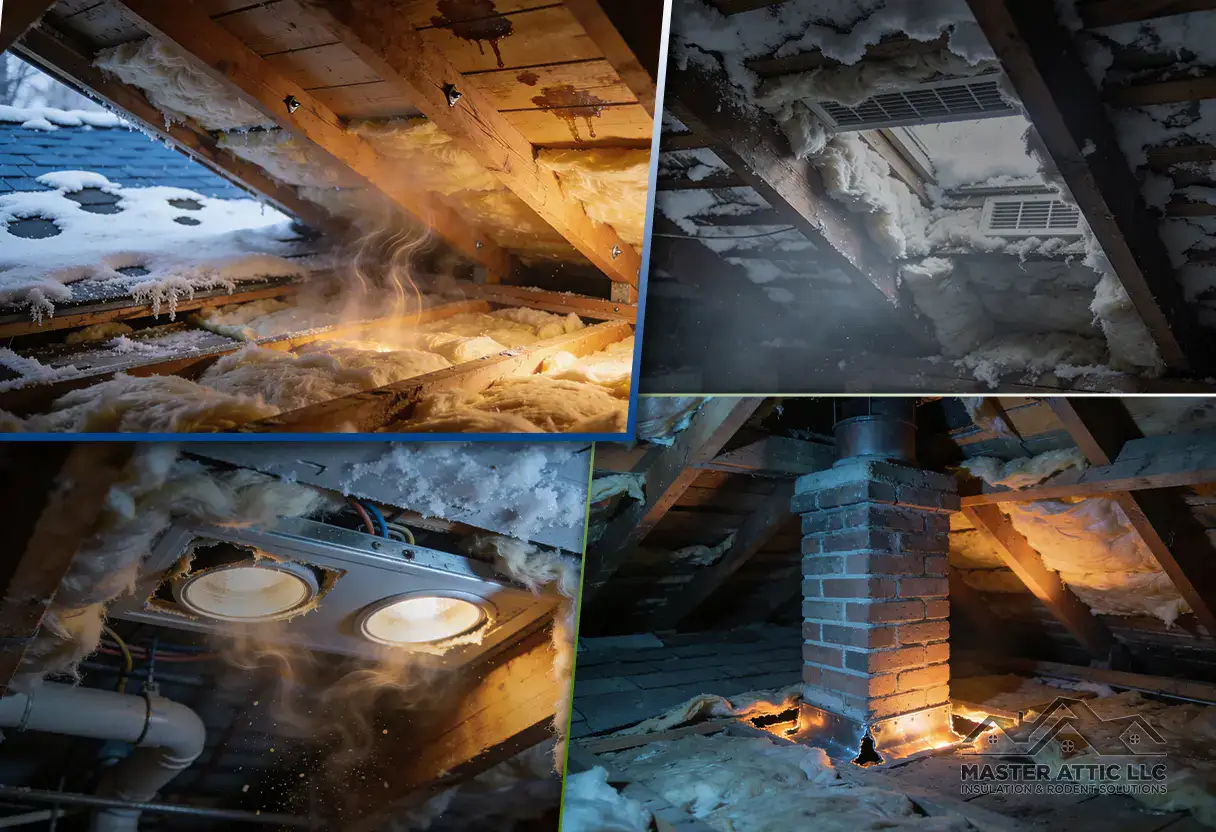
- Lack adequate attic insulation: The primary cause for ice dams is inadequate attic insulation that allows for the heat in the living space to rise and enter the attic space. This heat transfer, called conductive heat, warms the underside of the roof in the attic, causing snow to melt on the roof.
- Inadequate attic ventilation: A well-ventilated attic maintains attic temperatures close to the outdoor temperature to ensure rooftop snow is not melting and re-freezing. When blown insulation extends too far into the attic eaves, it covers soffit vents and prevents airflow. Batt insulation improperly installed can also block air movement.
- Air leaks around light fixtures and vents: When warm air inside the living space of a home escapes through gaps and cracks from recessed light fixtures, plumbing gaps from pipes, and electric wiring, this is convective heat transfer. Such heat transfer allows for more heat to the attic space. Air gap sealing is as important as attic insulation for keeping the attic temperature cool.
- Air Leaks around the chimneys: It is essential to seal all gaps between the home’s living spaces and the attic. One such gap includes the chimney. Sealing the smallest gaps around the chimney prevents the roof from warming. Chimney sealing should consist of L-shaped metal flashing to bridge the gap between the chimney and the house framing. A fire-stop sealant should also be used around chimney penetrations, called chases.
An Ounce Of Prevention . . .
‘An ounce of prevention is worth a pound of cure.’ This well-known colloquial expression is attributed to Benjamin Franklin in a letter he wrote to the Pennsylvania Gazette in 1735, in which he argued for the efficacy of investing time in fire safety education rather than spending time and dollars fighting fires. This idea has been used in a variety of situations in life, requiring doing the necessary work to prevent problems. The prevention of the rooftop ice dam from forming starts from within the attic space, not temporary ‘quick fixes’ such as:
Creating drainage channels by placing calcium chloride, the same substance one puts on pavement or driveway to melt ice, in a nylon stocking or sock to melt the ice dam, or using a special roof rake to carefully remove snow from the ridge of the roof, or installing heat cables on the roof. While these ‘temporary fixes’ can prevent ice dams, they are by no means a permanent solution! If done professionally, the average cost can be $1200.00or more!
The only way to prevent a rooftop ice dam from forming is to address what causes ice dams: air leaks, poor attic ventilation, and inadequate house-to-attic insulation. Let the pros at Master Attic bring a permanent solution to the recurring thaw-and-freeze cycle of melting snow on the roof that creates ice dams. The Master Attic licensed professionals have been serving the needs of NJ and Eastern Pennsylvania for 25+ years, installing and updating attic and crawlspace insulation. Contact us for a free in-home estimate.
Frequently Asked Questions
Does Rooftop Failure Cause Ice Dams?+
An ice dam on the roof has nothing to do with the roof. Getting a new roof will not prevent ice dams. The underlying cause of rooftop ice dams is warm air escaping into the home’s attic, which warms the interior of the roof deck (the attic rafters and ceiling), melting the snow on the exterior roof. The most effective solution is attic insulation, air sealing, and proper ventilation to keep the roof deck cold. An added protection to the roof area might be an ice and water shield for leak protection against wind-driven rain and the symptom of recurring ice dams. Ice and water shields are self-adhering, rubberized, asphalt-based waterproofing materials installed under roofing materials at eaves, valleys, and roof protrusions to prevent leaks — but they only stop the symptom of ice dams; they will not prevent the cause of the ice dam!
What Are The Signs Of A Rooftop Ice Dam?+
Besides the obvious signs of icicles hanging from the home’s gutters or a thick ridge of ice along the roof edge, water stains on the home’s ceilings and walls, peeling paint, and sagging gutters are signs of water backing up under the roof shingles. Such signs ignored can lead to structural damage to the home, including wood rot, mold and mildew, and damage to insulation.
Does Homeowners’ Insurance Cover Water Damage From Ice Dams Causing Water Damage In The Home?+
Generally, homeowner’s insurance will cover repairs to structural damage caused by roof ice dams that bring water into the home’s walls, ceilings, and insulation. Personal property, such as furniture or electronics damaged by water, may also be covered. Interior damage to insulation, drywall, and flooring caused by water leaks may be covered. Generally, not covered are removing ice dams or any temporary measures to prevent future ice dams.
Can There Be Ice Dams Without Obvious Sign Of Icicles?+
Yes, ice dams can be without a visible hanging icicle. Called a ‘ghost dam’ — they form under snow or in roof valleys, where two roof planes meet, but still trap the melted snow water that causes leaks to the interior of a home. An ice dam can hide under a blanket of roof snow. Icicles are a symptom of melting and refreezing of snow; if the outside weather is too cold, prominent icicles won’t be seen.
Are Ice Dams The Cause Of Mold?+
Mold can be a symptom of ice dams. The ice dams do not cause the mold. It is the water that seeps under the roof shingles, allowing water to leak into the home, which begins the growth of mold and mildew.