Three Signs Your Attic Insulation Needs Replacement Before Winter Hits
The winter season comes with many different challenges for homes and businesses alike. The cold temperatures, snow and ice all impact your home differently, which can lead to damage and other unexpected situations.
While most homes are designed to withstand the elements no matter the season, they do experience wear and tear over time. Certain structural components of your home need a little TLC to help it function at its best. One of those components is your attic insulation! While durable and long-lasting, insulation isn’t invincible.
If your attic insulation is struggling to perform, chances are that your home will start giving you signs that something is amiss. Do you know what those signs are?
Let’s break down the top five signs that your attic insulation needs replacement below.
What Does Attic Insulation Do?
To start, it’s important to know why replacing your old attic insulation is necessary. Having fresh insulation in your attic helps support your entire home’s safety and efficiency. As your HVAC system works hard to move warm air throughout your home, your insulation helps control this movement for optimal comfort.
It slows down the energy transfer process, allowing each room in your home to stay warmer for longer. The same is true for your attic insulation! Heat rises, so your attic insulation’s job is to prevent that from happening too quickly. It helps encourage your circulating air to move through your living spaces for a longer period of time before making its way to your attic.
From there, it is slowly circulated out of your attic space with the help of your attic fan or other venting equipment.
Without the right insulation in your attic, your home will be cycling through your HVAC-conditioned air too quickly, which can lead to:
- Unnecessarily high energy bills
- An overworked HVAC system, leading to more repairs
- Uncomfortable rooms
- Drafts
This is why it is important to notice the signs that your attic insulation is struggling so you can remedy this problem quickly.
Sign 1 That Your Attic Insulation Needs Replacement: Rising Energy Bills

This sign is perhaps the most obvious sign that something is amiss in your attic space. Your home is designed to move air through your living spaces efficiently, so a well-insulated home will have predictable energy bills.
You can expect these bills to go up a small amount during the coldest months of the year as your heating needs increase. However, a drastic jump or a high bill before it even starts to get really cold should prompt you to investigate. Log into your energy bill’s online account and compare your current bill to last year’s around this time.
If the temperatures are similar but your bill is much higher, it’s time to do some investigating in your attic.
Sign 2 That Your Attic Insulation Needs Replacement: Visible Insulation Damage
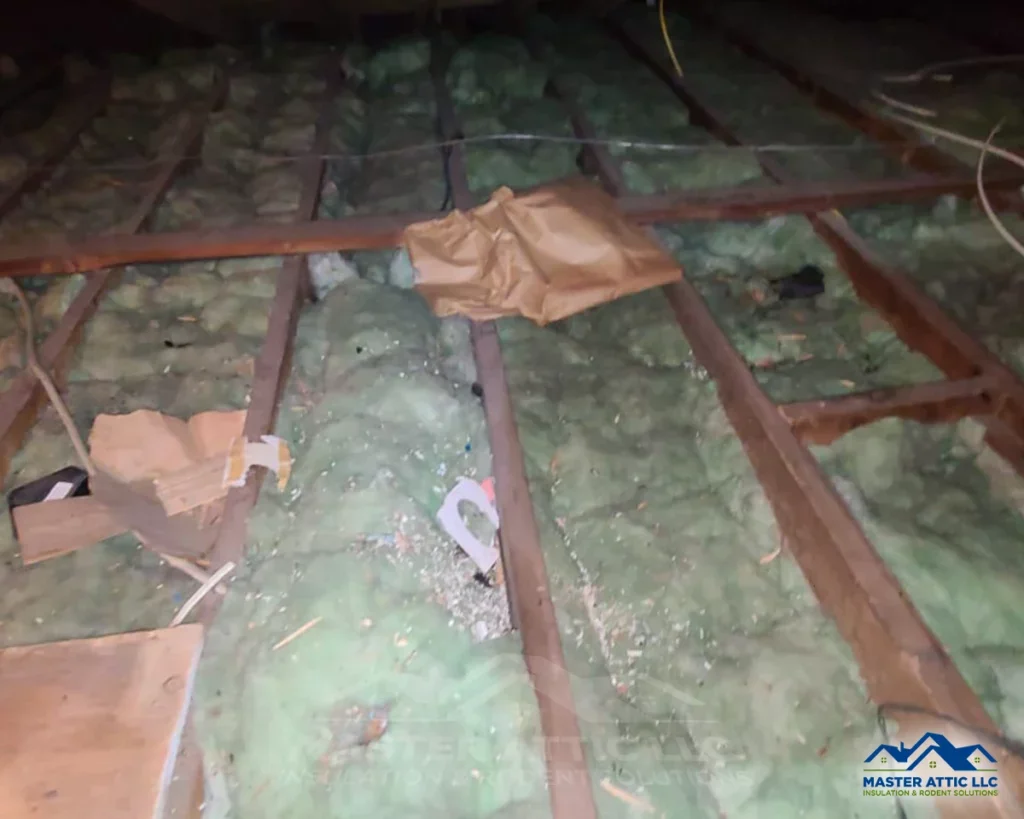
You should be doing a routine inspection of your insulation every season to check for signs of damage or other issues, but this task can sometimes be overlooked during the busiest times of year. Unfortunately, it’s a great indication that your insulation is in trouble!
Damaged or compromised insulation cannot function the way it is designed, which can lead to a house that suffers as a result. The damage can come from pest infestations, moisture issues, or just by simply getting old. If you use your attic for storage or are up there regularly, your insulation might be compressed or thinned out too much to be effective.
If you notice that your insulation is deteriorating or has been compromised by animal droppings or hair, an insulation replacement is in your future. Just use extreme caution if you suspect you are dealing with a pest infestation, as unexpected pests can pose danger and safety hazards. Wear gloves and a mask, and stay far away from any rodents or other pests you discover while in your attic space.
Sign 3 That Your Attic Insulation Needs Placement: Ice Dams
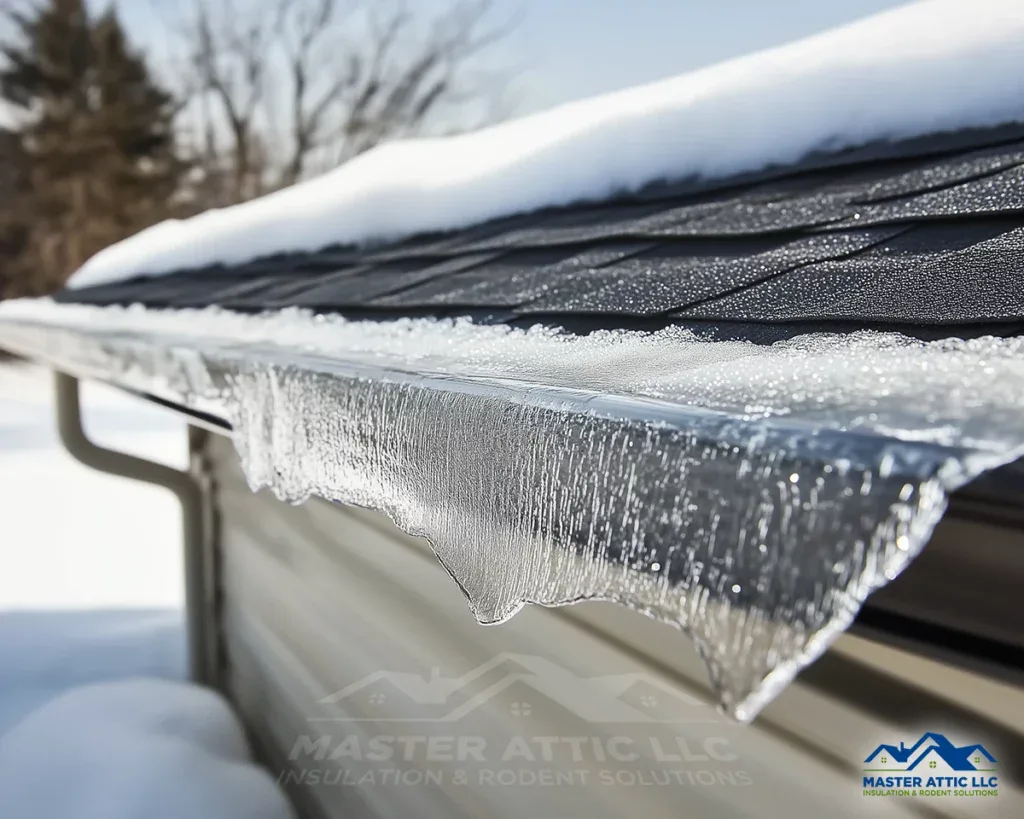
Have you ever driven around your neighborhood and seen homes with roofs full of snow, while other homes have snow patches or are completely bare? This is actually a good indication of whether or not a home has good attic insulation.
Homes that don’t have attic insulation will have warm or even hot attic spaces, which will quickly melt any snow that falls on the roof. Attics that are properly insulated will have cooler roofs, which will allow the precipitation to stay in snow form.
Ice dams form when the snow melts on your roof, only to run down to the freezing cold edge of your roof line, where it freezes again. This process will happen every time it snows, leading to a buildup of powerful ice, called an ice dam.
This issue can lead to roof damage as the ice pushes its way up into your attic, and it can also cause moisture damage as the ice and snow melt onto your insulation and structural supports.
Use a roof rake or a long-handled shovel to help pull snow off of your roof, and be sure to address any insulation needs if you notice an ice dam this winter.
How To Replace Attic Insulation
If you are noticing any of these signs, it’s time to call for professional help! A reputable attic insulation company will come out to your home and evaluate your space before suggesting the right upgrade for you.
The old insulation will be carefully removed and cleaned up, and then your attic space will be cleaned and inspected for cracks, leaks or anything that could be compromising your new insulation. After any repairs are done, fresh insulation material will be installed in the key areas around your attic space.
Once this process is over, you can relax knowing that your new attic insulation will be ready to work for years to come! With the right attention to detail and routine inspections, you can expect your insulation to last for decades.
Is your attic insulation in need of a replacement? Call the attic insulation masters at Master Attic! We are ready to take your call at (800) 285-4009 today.