
How Moisture in Your Crawlspace is Costing You Money
Your crawlspace is one of those areas in your home that you don’t often think about, but it is always working hard for you and your family. It supports your home’s energy efficiency, structural integrity, and your indoor air quality.
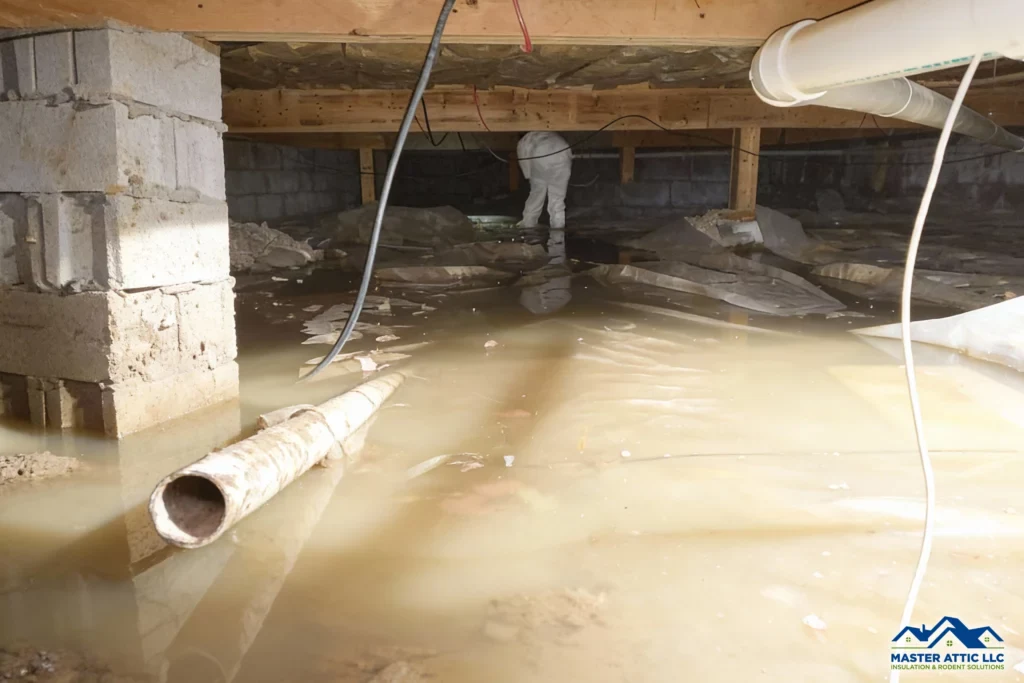
Whether we are in the heat of the summer or the dead of winter, supporting your crawlspace supports your entire home and family. Unfortunately, your crawlspace is also vulnerable to issues like mold and moisture if you aren’t careful. Did you know that moisture problems in your crawlspace are often hidden, but they can be costly in more ways than one?
Let’s break down how moisture in your crawlspace is costing you money and what you can do to save more and protect your home this winter and beyond.
Table of Contents
Why Crawlspace Moisture is a Big Problem
Moisture is everywhere, all around us! Whether it is raining or you are simply turning your faucet on to wash your hands, you have water flowing through and around your home constantly.
Some of the most common causes of moisture in your crawlspace include:
- Groundwater seepage
- High soil moisture
- Poor drainage around the home
- Ventilation gaps
- Drafts
- Vulnerable dirt floors
The Stack Effect
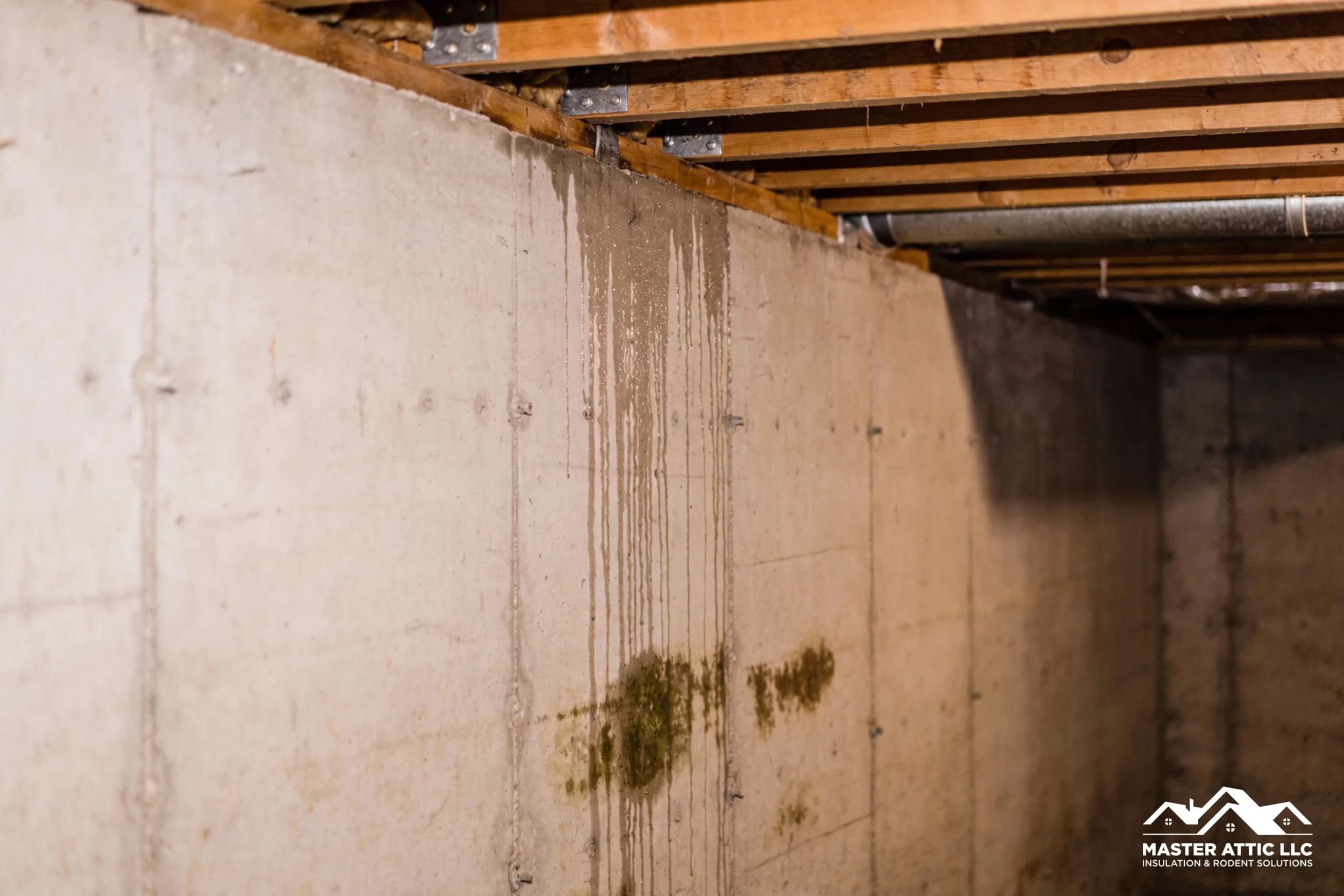
Most homeowners don’t realize that the air inside their crawlspace doesn’t just stay there! It actually travels upwards into the rest of the home through a natural process known as the stack effect. As warm air rises and escapes through the attic, the pressure change pulls cooler, more humid air up from the crawlspace to replace it. This means that whatever is happening inside your crawlspace will get drawn into your living areas.
This is troublesome if you have moisture, mold, musty odors or biohazards like droppings. If the air is humid, it will have a direct impact on your energy usage. Damp air is significantly harder to heat in the winter and keep cooler in the summer.
When humid crawlspace air rises into your home, your HVAC system has to work in overdrive to keep your indoor temperature regulated. This will increase your monthly energy bill, but it will also add wear and tear to your HVAC equipment.
The Costs of Moisture in a Crawlspace
Unfortunately, having a wet or damp crawlspace is going to cost you in multiple ways. Some of the largest impacts are:
Higher Heating and Cooling Bills
Damp air is harder to heat in the winter, so your HVAC system has to work harder. This will directly result in higher energy bills each month. This is also true if your home suffers from drafts or air leaks.
Insulation Damage
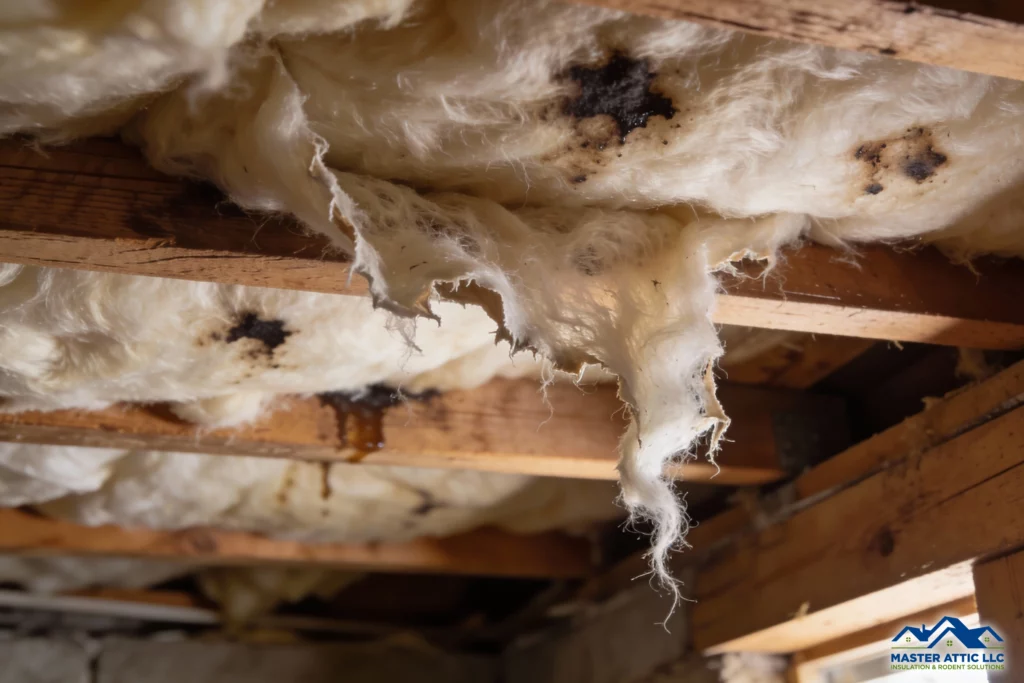
Your insulation is an integral part of your home, but it can only work properly if it is in good condition. Wet or damp insulation loses R-value, which means it loses its ability to slow heat transfer.
This results in constant heat loss, which will signal to your HVAC system to kick on more often than it should (contributing to those higher energy bills as well).
Structural Damage and Costly Repairs
Your home is designed to be water and damage resistant, but it is not invincible. Constant exposure to moisture, especially in ventilation-challenged areas like your crawlspace, can lead to structural damage to your joists and subfloors. Wood rot and swelling can occur, your HVAC ducts can rust, and your floors can sag as a result.
All of these issues will need repairs, and some of the repair costs can be time consuming and costly.
Pest Infestations and Mold
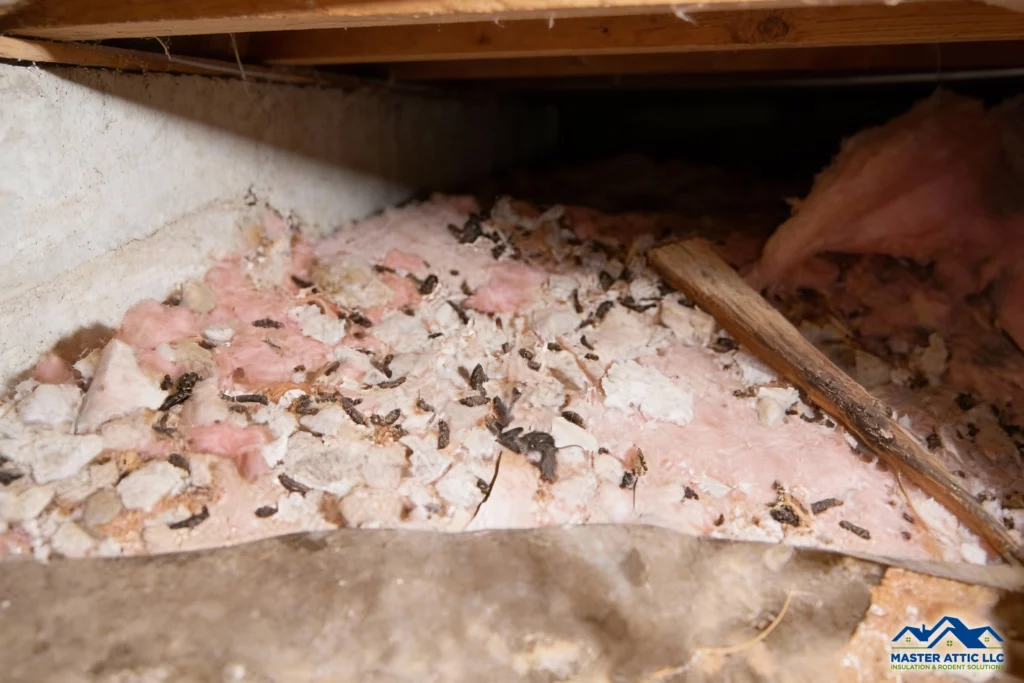
If you have a moisture problem in your crawlspace, it means that you have a sealing problem somewhere in this area. If water can get in, so can mold spores and pests. Mold and pests like rodents and insects can cause serious damage in a short amount of time, leading to more costly repairs as well.
Winter-Specific Crawlspace Moisture Problems
Moisture problems can plague a crawlspace year-round, including winter. In winter, many issues stem from cold weather or melting snow.
Condensation from Temperature Differences
When warm indoor air meets cold crawlspace surfaces, the moisture in the air will condense. If there is nowhere for this moisture to circulate, it will linger and become stagnant.
The same is true for frost buildup. If your crawlspace gets frosty and a warmer temperature melts it, the lingering moisture will cause future water problems.
Increased Drafts and Heat Loss
If your crawlspace has a moisture issue, it also has a draft or air leak problem. If that’s the case, the cold air in your crawlspace will make your floors colder, which will, in turn, make your living spaces colder. This kickstarts an endless cycle of cold living spaces and an overworked HVAC system.
Frozen Pipes and Water Damage
Because your crawlspace has a draft problem, all that cold air can pose serious issues for any pipes that run through this area of your home. If a pipe carrying water freezes and bursts, you could wind up with a large amount of water and an uncontrolled situation very quickly.
How To Stop Crawlspace Moisture and Save Money
Reducing crawlspace moisture starts with encapsulation, which seals the entire area with a vapor barrier, closes vents, and eliminates air leaks that let in unconditioned, damp air. This instantly stabilizes humidity levels and protects your home from mold and energy loss.
Adding proper insulation to crawlspace walls and floors is another major money-saver, especially in winter when cold air below your home can cause significant heat loss. Improving drainage, such as installing a gutter system and downspouts, keeps excess water from entering the crawlspace in the first place.
A dedicated dehumidifier ensures year-round moisture control, while repairing any plumbing or appliance leaks tackles hidden sources of dampness. Finally, staying ahead of pest issues prevents insulation damage, contamination, and costly structural repairs.
Now that you know how moisture in your crawlspace is costing you money, rely on the team at Master Attic to help you create a drier, healthier, and more energy-efficient home.
Stop letting crawlspace moisture drain your wallet. Schedule a professional inspection with Master Attic today and protect your home with expert encapsulation, insulation upgrades, and long-term moisture control.