
Wet Crawl Space Insulation: Everything You Should Know
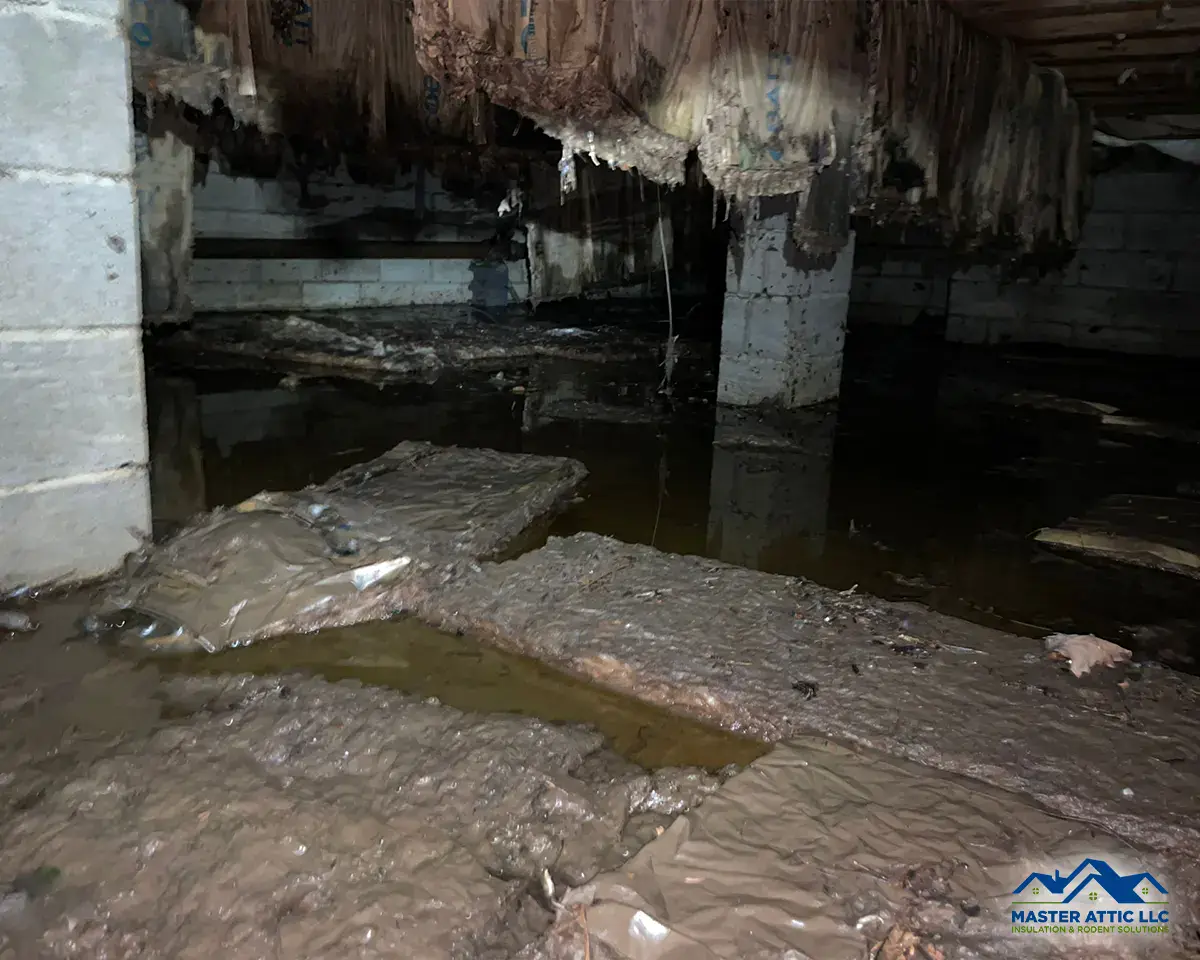
Insulation is crucial for maintaining your home’s overall comfort and temperature. However, it can become compromised in damp environments such as crawl spaces. In the Northeast region, it’s not uncommon to have wet crawl space insulation, which can pose a significant threat and, if not addressed, can cause structural damage, poor air quality, and minimal energy efficiency.
Our guide will discuss why you may have wet crawl space insulation, common causes of wet insulation, the best insulation for a damp crawl space, why you should fix a wet crawl space, and why crawl space encapsulation is an excellent option.
Why is My Crawl Space Insulation Wet?
Wet crawl space insulation occurs when the insulation in the environment absorbs too much moisture. Many homes have fiberglass insulation in crawl spaces, which can be susceptible to getting damp if not installed correctly. When you have moisture in your crawl space insulation, it can also lead to:
- Rodent Infestations
- Musty Odors
- Potential Structural Damage
- Mold & Mildew Growth
- Poor Energy Efficient & Higher Energy Costs
Addressing wet crawl space insulation is essential to preserve your home’s health and maintain a comfortable living space.
How Moisture Gets Into Crawl Spaces
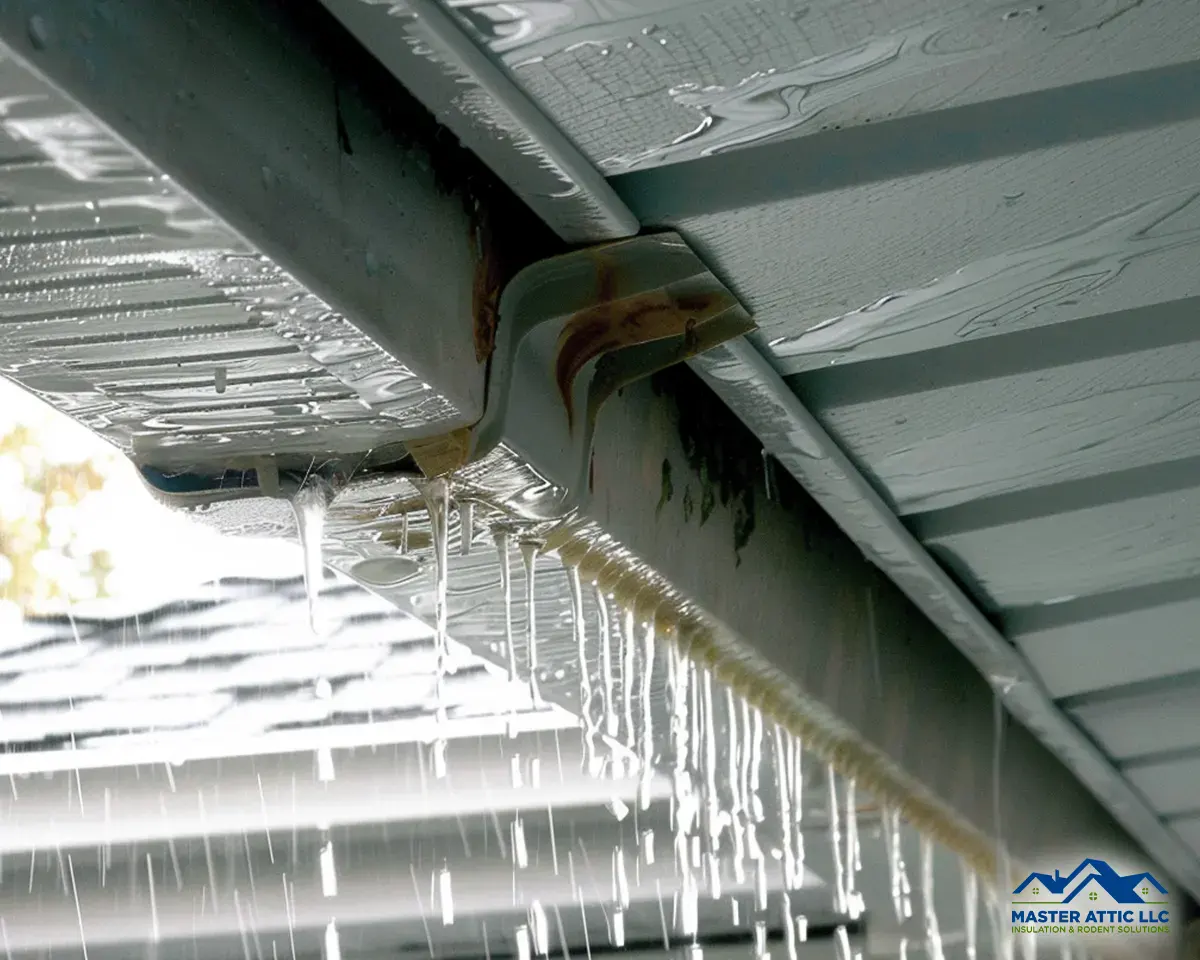
While crawl spaces can help control moisture issues in your home, they can also contribute to them due to unexpected situations and extreme weather conditions.
Groundwater
During a particularly rainy season, the soil beneath and around your home can become overwhelmed, which can lead to a backup of moisture into your crawl space. In addition, an improperly graded home can lead to pooling water around your crawl space and foundation.
Pipe Leaks
If you have utilities running through your crawl space, even the smallest leak or crack in a water pipe can lead to lingering or stagnant moisture.
Humid Outdoor Air
If your crawl space is vented to the outside, hot and humid air can get into this narrow space and can lead to condensation and lingering moisture.
What is the Best Insulation for a Wet Crawl Space?
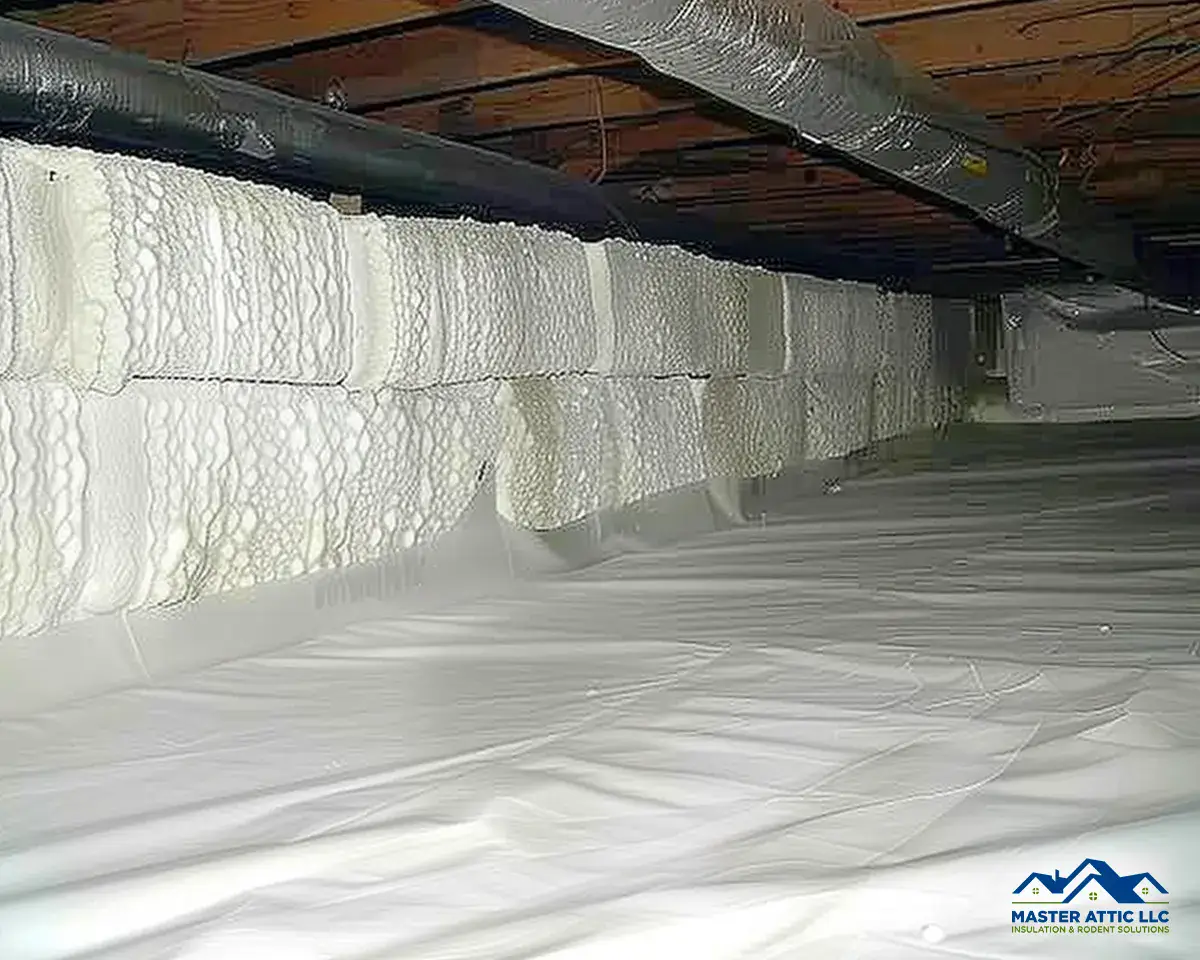
The best insulation for a wet crawl space is batt insulation. Batt insulation comes in flat pieces, is pre-cut, and can be made from mineral wool and fiberglass. Batt insulation provides optimal thermal performance, maintains a comfortable indoor environment, and helps reduce your energy consumption.
Batt insulation with excellent moisture resistance can help prevent mildew and mold growth in your crawl space. Without the proper expertise to install your insulation, it’s easy to allow air gaps, which can reduce its effectiveness, leading to mold and mildew when moisture enters.
Before insulating your crawl space, consult your local building inspector to review local building codes. Most codes require a minimum R-value for insulation, and some regions require crawl space insulation to be fire-resistant.
Immediate Effects of Moisture in a Crawl Space
Once water has entered your crawl space, it starts to seep into porous building materials. Insulation and wood framing will absorb the water, leading to a messy, humid environment. Without proper air movement, it will not dry on its own.
Short-Term Issues:
- Lingering musty odors throughout the house
- Increased indoor humidity
- Condensation on windows and walls
Moist air from the crawl space can travel into your living areas, affecting indoor air quality and comfort.
Long-Term Effects of a Wet Crawl Space
The longer the water remains, the worse the damage becomes. A persistently wet crawl space can compromise your home’s health and safety.
Structural Damage
Moisture causes wood to swell, warp, and eventually rot. Floor joists, beams, and subfloors are at risk. Over time, this can make your floors sag or even compromise your home’s structural integrity.
Mold and Mildew
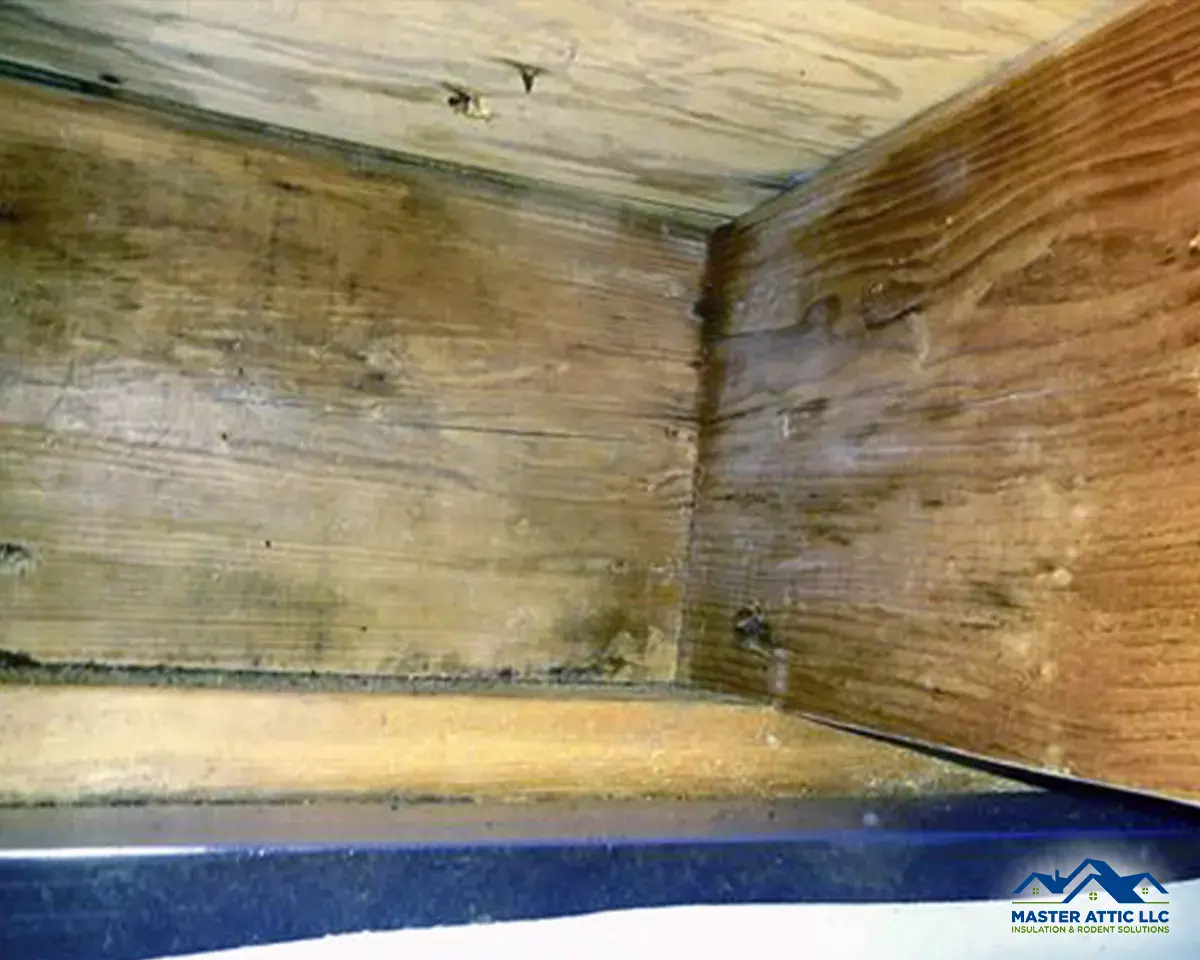
Mold thrives in dark, damp environments like a wet crawl space. Spores can spread into your home, impacting air quality and triggering allergies, asthma, or other respiratory issues.
Pest Infestations
Rodents, termites, and insects love damp, undisturbed crawl spaces. If your foundation is compromised, pests can enter and build nests, making the problem even worse.
Signs Your Crawl Space Is Wet
How can you tell if your crawl space is affected? Your home will give you warning signs if you know what to look for:
Warning Sign | What It Could Mean |
Musty smells from vents | Mold or moisture buildup below |
Sagging or uneven flooring | Structural wood rot in the crawl space |
Visible mold or mildew indoors | Mold migration from the crawl space |
High indoor humidity or condensation | Moist air from below seeping into the home |
Water stains around the foundation | Exterior drainage or seepage problems |
Can You Encapsulate a Wet Crawl Space?
Water is your biggest concern with most crawl spaces. Crawl space encapsulation can improve it, but you must ensure you don’t create worsening water issues. Do a thorough walkthrough to ensure you don’t have any significant water problems.
Next, perform a combustion equipment check to determine if your crawl space is compatible with encapsulation. Finally, consider climate to determine if your home can benefit from crawl space encapsulation.
What Is Moisture Barrier Encapsulation?
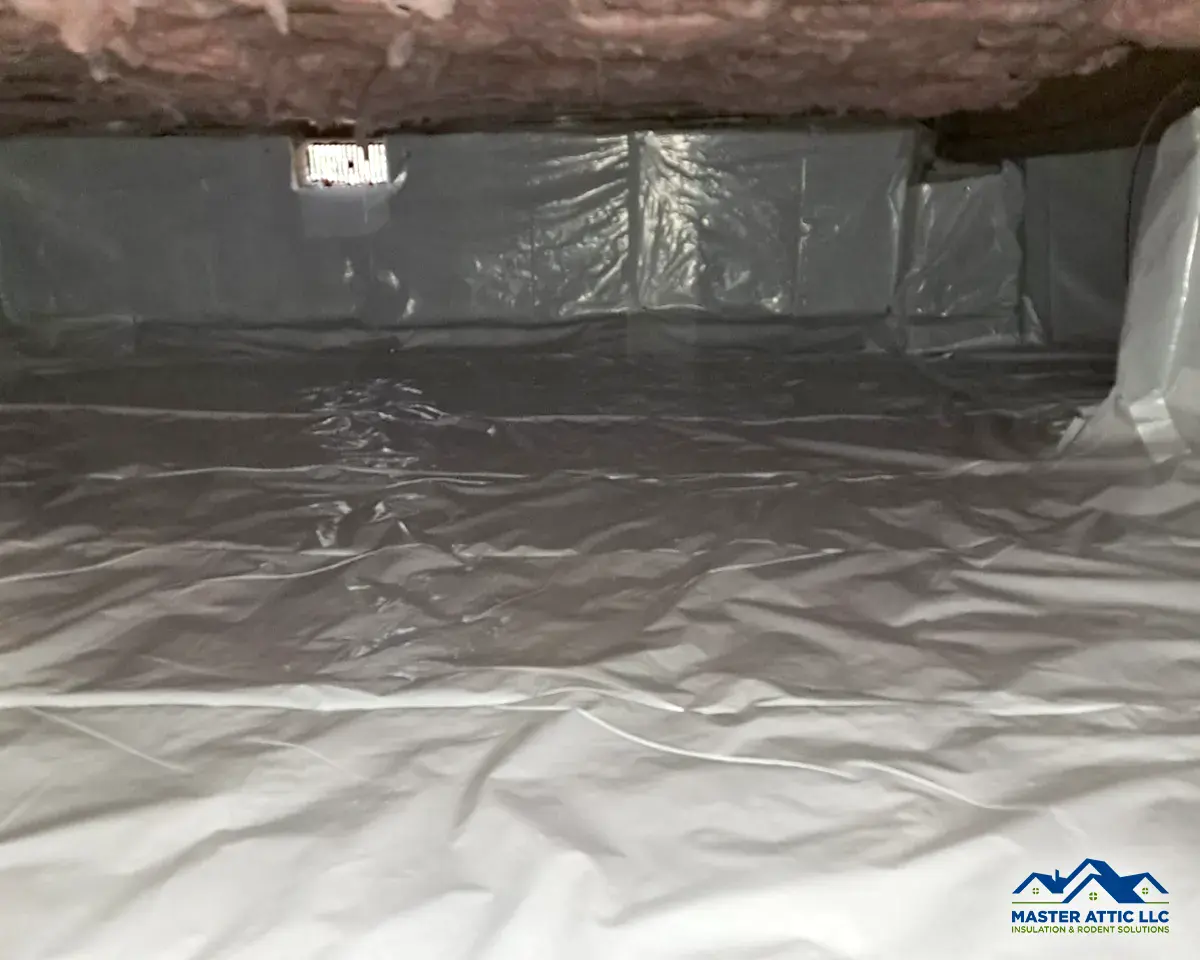
A wet crawl space won’t dry out on its own. That’s where crawl space encapsulation comes in. A moisture barrier is a thick, waterproof liner that seals off your crawl space from the ground and walls to stop water vapor and moisture from entering.
What the Process Includes:
- High-quality waterproof liners
- Moisture-resistant tape, nails, and washers
- Vapor sealing walls and floor
- Optional dehumidifier installation for humidity control
Encapsulation protects your crawl space from future water issues, prevents mold, and reduces pest problems. It also increases energy efficiency by maintaining stable temperatures below your home.
Why is Encapsulating a Crawl Space Important?
While an encapsulated crawl space isn’t required, it helps keep out rodents, mold from spreading, overall moisture, and poor indoor air quality. It ensures your home’s air quality remains safe, healthier, and comfortable all year.
To learn more about crawl space encapsulation, visit our blog here.
Master Attic: Your Crawl Space Insulation Expert!
Our experts understand the importance of having a well-insulated crawl space, so our team strives to deliver only the best services to meet your expectations. At Master Attic, we’re committed to providing top-notch installation services to protect your crawl space.
If you need reliable crawl insulation services, give us a call today!
Frequently Asked Questions
1. Why is my crawl space insulation wet?
Wet crawl space insulation occurs when the insulation in the environment absorbs too much moisture.
2. What are the common causes of wet crawl space insulation?
The common causes of wet crawl space insulation are high humidity and condensation, drainage issues, open vents, and overflowing gutters.
3. What is the best insulation for a wet crawl space?
There are a few insulation options for crawl spaces; however, using non-permeable materials in a vented crawl space is essential. Closed-cell spray foam insulation is ideal for crawl spaces because it can create an effective thermal barrier and air seal when sprayed into the joist bays.
4. Why should I fix a wet crawl space?
You should fix a wet crawl space because it can lead to structural damage, mold issues, and costly repairs.
5. Can you encapsulate a wet crawl space?
Water is your biggest concern with most crawl spaces. Crawl space encapsulation can improve it, but you must ensure you don’t create worsening water issues.