
Best Cold Weather Insulation Tips
When the cold weather comes to town, many of us head inside to the comfort and warmth of our homes to wait out the snow and subzero temperatures. We rely on our homes to stay cozy and block the elements! However, it’s not just your four walls and your roof that offer protection and safety.
Your HVAC system and your home’s insulation play major roles in how your home feels and operates in the winter season. Without proper insulation, you can expect drafts, discomfort and unnecessarily high energy bills.
If you are hoping to reinforce your home for the upcoming season, focus on your insulation. More specifically, focus on your attic insulation and how it is working for you.
Let’s break down the best cold weather insulation tips below so you can prepare your home for the cool months ahead.
Tip 1: Assess Your Home’s Current Insulation
The vast majority of homes have at least a little insulation in their attics. Attic insulation acts as a barrier between your home and the outside world. It controls energy transfer while also facilitating air movement throughout your home. It keeps heat from building in your attic while also circulating your conditioned air through your living spaces. Insulation is really a jack of all trades!
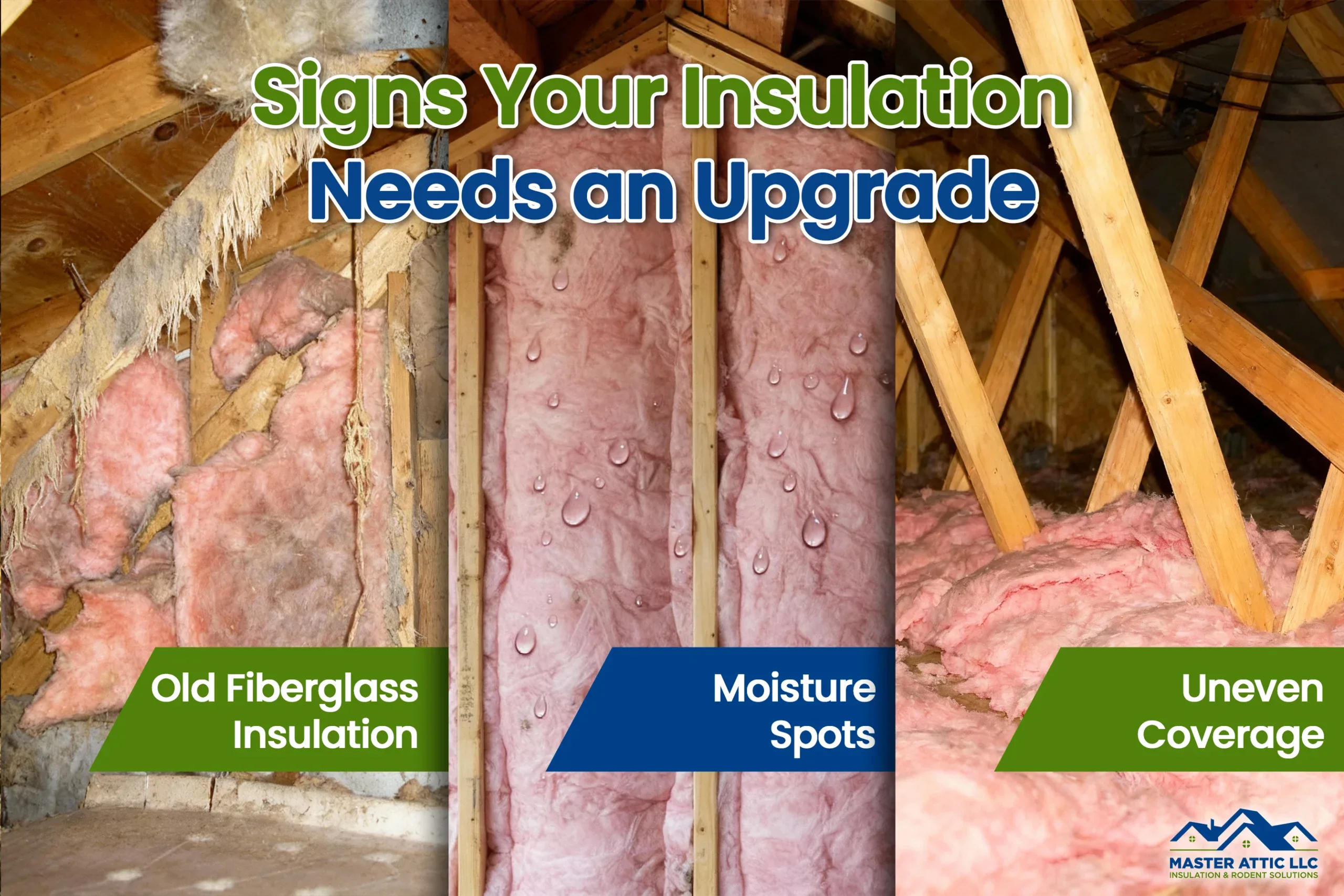
However, if you don’t have enough insulation in your attic or if it is starting to show signs of damage, it can cause problems in your home.
Signs that your attic may not be well-insulated include:
- Cold or hot spots in your living spaces
- High energy bills
- Moisture issues or condensation around windows
- Ice dams in winter
If your home is struggling to maintain the temperature determined by your thermostat, your HVAC system will also be running more frequently (and sometimes never turning off). These signs mean that your attic insulation needs a little TLC.
Tip 2: Make Attic Insulation Your First Line of Defense
When you are on a mission to upgrade your insulation, your attic should be your first priority. It plays a vital role in preventing rapid heat loss in your home. Air is warmed up in your HVAC and furnace system, and then it is pumped into your living spaces through your vents.
In a properly insulated home, this air circulates in a predictable pattern before warming up and naturally rising into your attic. Once there, your insulation and attic vents will pull this air out of your attic space. This process happens regularly over the course of the winter season.
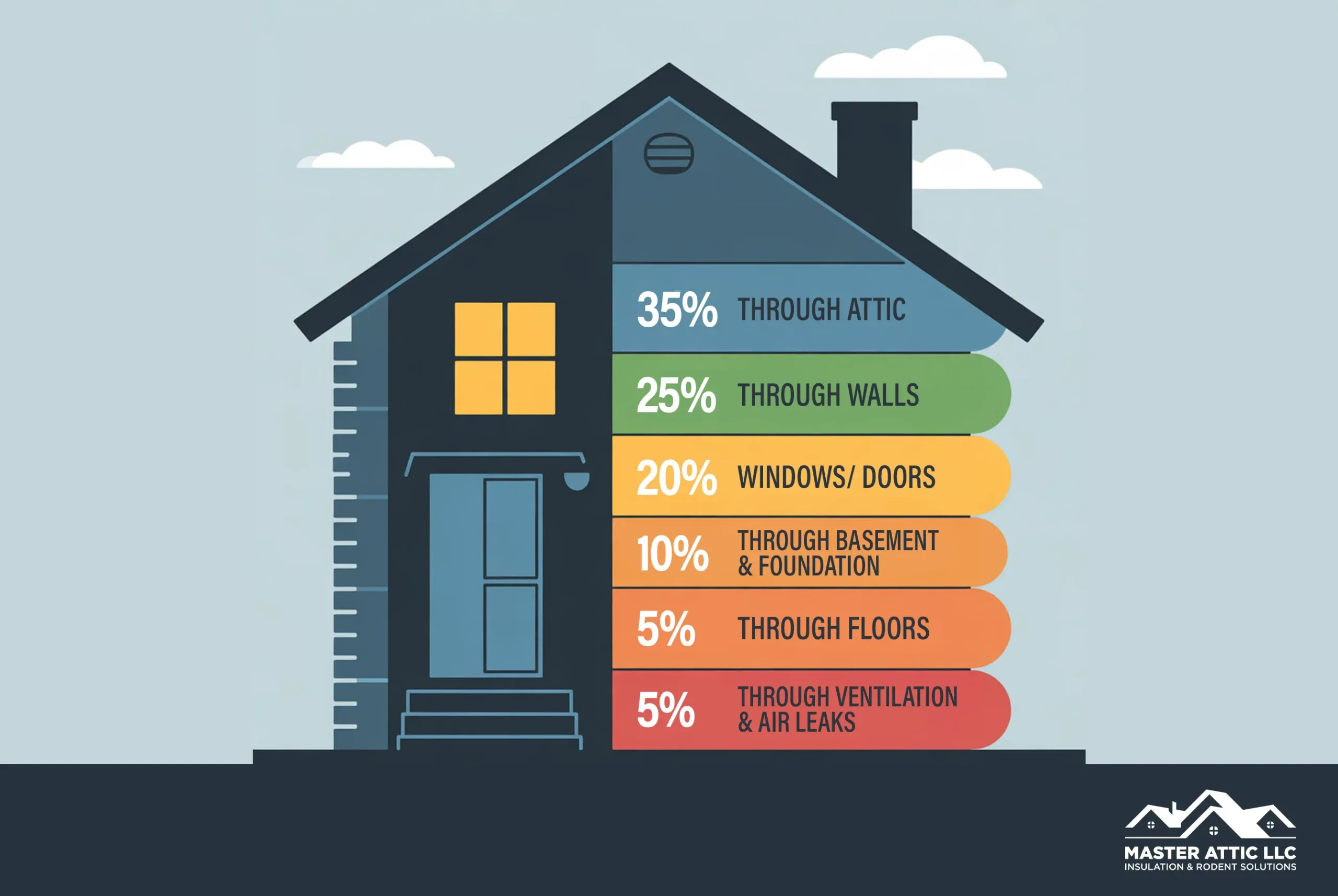
If your attic is missing insulation or if you don’t have the right kind in your space, this heat loss will happen too quickly. In fact, up to 35% of heat loss can occur through the attic in the winter months.
In addition, poor attic insulation can lead to ice dams. Ice dams form when there are temperature inconsistencies in your attic. Snow melts too quickly on your roof, it rolls down to your roof line, and then will freeze again at the edge. This process will happen over and over, leading to a large chunk of ice that builds up along your roof. This ice expands as it melts and refreezes and pushes into your attic space.
Tip 3: Choose the Right Insulation
It’s important to remember that not all insulation is the right insulation for your home! Next time you are walking around your local home improvement store, go down the aisle selling insulation. There are so many options and styles that it can be overwhelming.
Different kinds of insulation offer different benefits, so working with a professional insulation installation team is crucial to get it right the first time.
In many cases, fiberglass batt insulation is the best choice for attic insulation. These pre-cut sheets of fiberglass are designed to fit snugly into your wall studs, making installation simple and straightforward.
However, fiberglass batts come in varying degrees of thickness, commonly called R-values. The thicker the insulation, the higher the R-value and the more efficient it is at heat control. This is another reason to invest in a professional installation team. Installing insulation that is too thick or too thin can cause serious issues like moisture problems and blocked airflow.
Tip 4: Focus on Air Sealing Your Attic
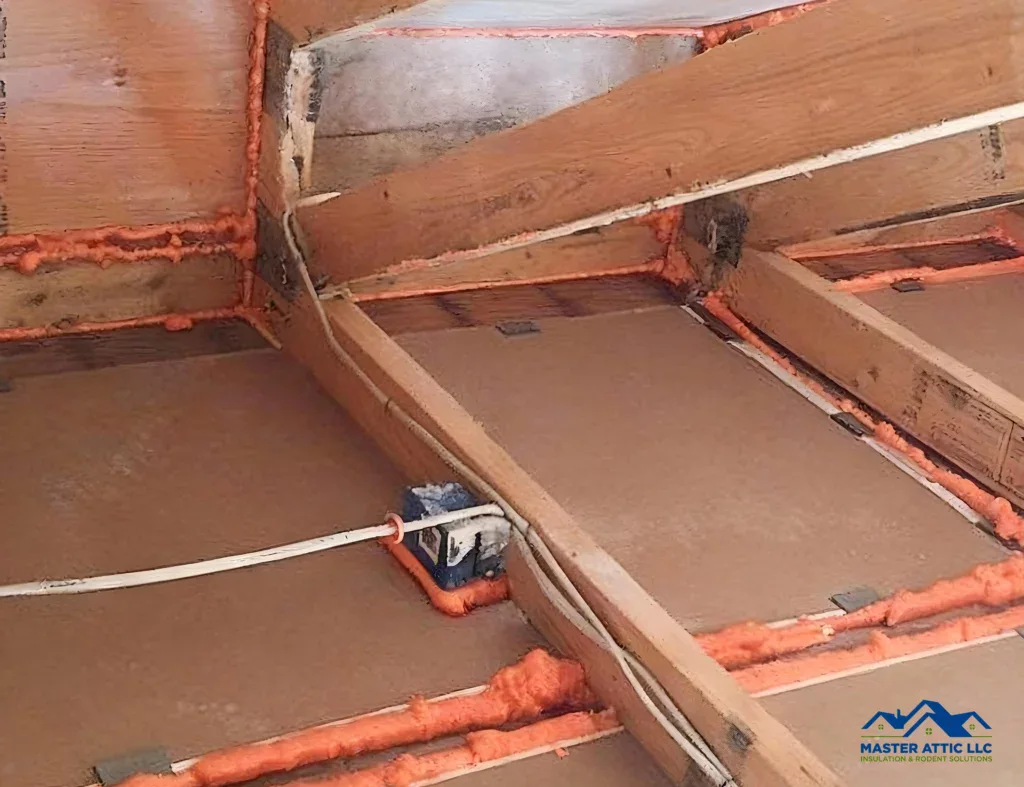
Your attic insulation plays a massive role in your home’s efficiency and comfort, but it is only part of the puzzle! If you have done your due diligence in adding the right amount of insulation to your attic walls and floors, you need to ensure you have no gaps or cracks in your attic. Your insulation is designed to slow heat transfer around your home, but it cannot work the way it is supposed to if external air is sneaking in all over the place.
Air leaks in your attic can lead to:
- Rapid energy loss
- Uneven temperatures throughout your home
- Moisture issues
- Insulation damage
- Pest infestations
A lot is at stake if your attic has gaps. Sealing them with a professional attic air sealing will block the leaks from sneaking through. This process ensures the air in your home travels throughout your living spaces in a controlled manner.
Your home will be warmer and more resistant to humidity problems, and you will immediately notice a decrease in your energy bills.
Tip 5: Get Your Home Ready for Winter
Finally, tending to the rest of your home before the winter season arrives can help your insulation work more efficiently throughout the year.
Start by servicing your HVAC system by scheduling an inspection every fall. A clean, well-functioning system will make your entire home more efficient at air control, and it will take some of the strain off your equipment.
Check your attic for any signs of underlying issues like mold, moisture or pest problems. If any of these issues exist in your attic, they will prevent your insulation from working like it should.
Now that you know some of the best cold weather insulation tips, rely on the team at Master Attic to handle your insulation upgrade and attic air sealing this season. Stay cozy this season with new attic insulation! Call the team at Master Attic at (800) 285-4009 for a complete evaluation and upgrade to your attic space.