
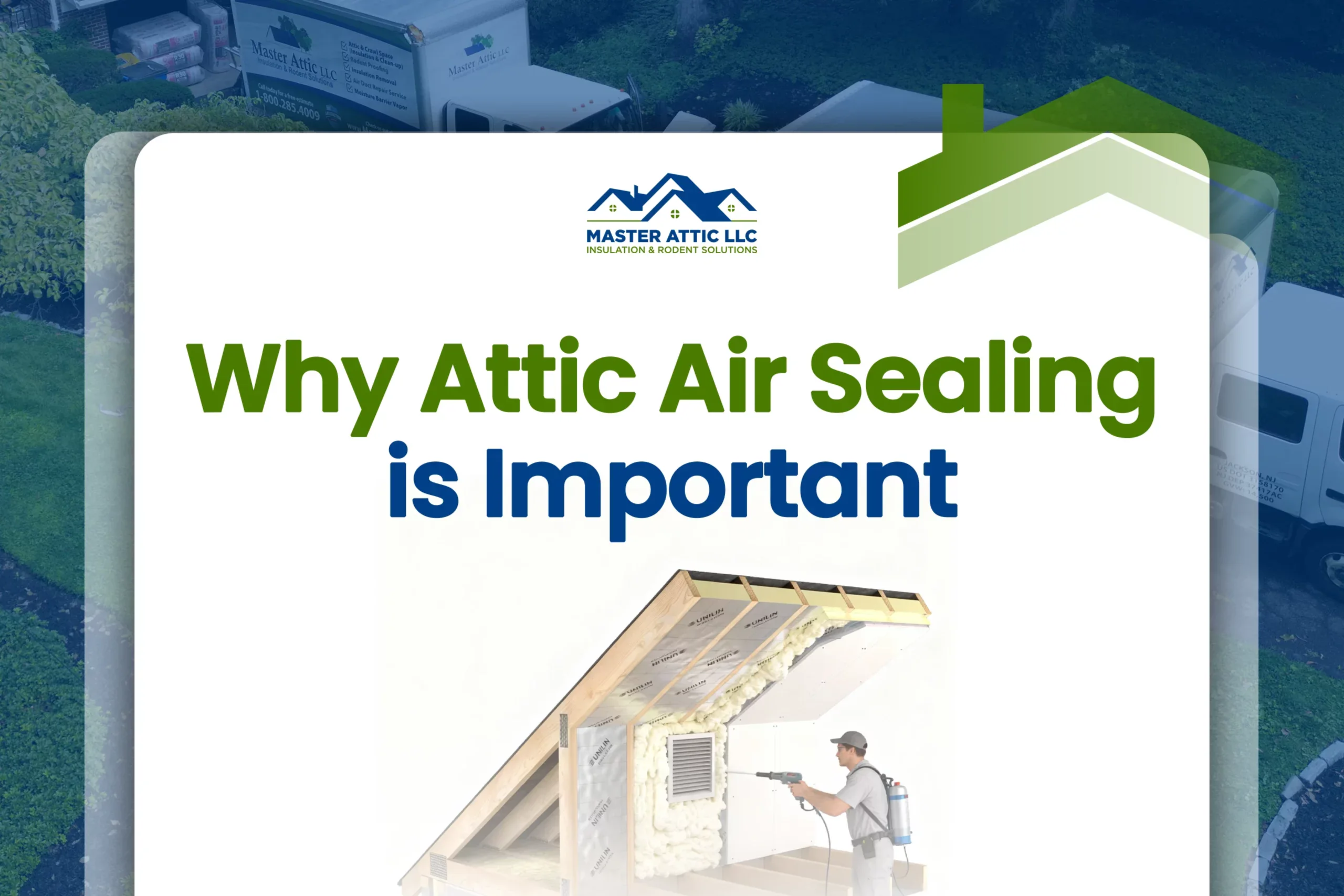
Why Attic Air Sealing is Important
When the weather cools down, your home becomes a safe haven from the wind, rain, and eventual snowfall. As we all run into the comfort and safety of our homes, we expect them to be warm, secure, and inviting.
Many different systems within your home have to work in unison for this to happen! Your HVAC system, your insulation, and even your air sealing solutions in your attic have to be in good condition and working smoothly for your home to stay warm and cozy.
If you haven’t given much thought to your attic air sealing solutions lately, now is the time! An attic that is full of air leaks and gaps can cause serious issues in your home and can drastically affect your comfort.
Read below to learn some important attic air sealing tips for fall.
Table of Contents
- What is Air Sealing?
- Common Air Leaks Found in Attics
- Step-by-Step Process of Air Sealing
- Professional Help vs. DIY
- Extra Fall Maintenance Tips
What is Air Sealing?
So, what is attic air sealing and why does it matter? Your home is an intricately designed system that has many moving parts. As you and your family go about your days, it is working quietly behind the scenes to circulate your air.
Your HVAC system works in tandem with your thermostat to pump out conditioned air, and that air moves through your home via your vents and your insulation. If your home is properly sealed, it will eventually rise into your attic where it is pushed out through your attic vents and fans.
Without proper air sealing, your home’s air will escape through cracks and leaks in your attic space. It will often rise too fast before having a chance to circulate in your home. This can lead to an unnecessary increase in energy bills. In addition, an attic that is not properly air sealed is more susceptible to moisture problems that can lead to mold and destructive ice dams.
Common Air Leaks Found in Attics
Air sealing can prevent all of this from happening! Attic air sealing is a process that involves spraying expanding foam and weatherstripping to vulnerable areas around your attic.
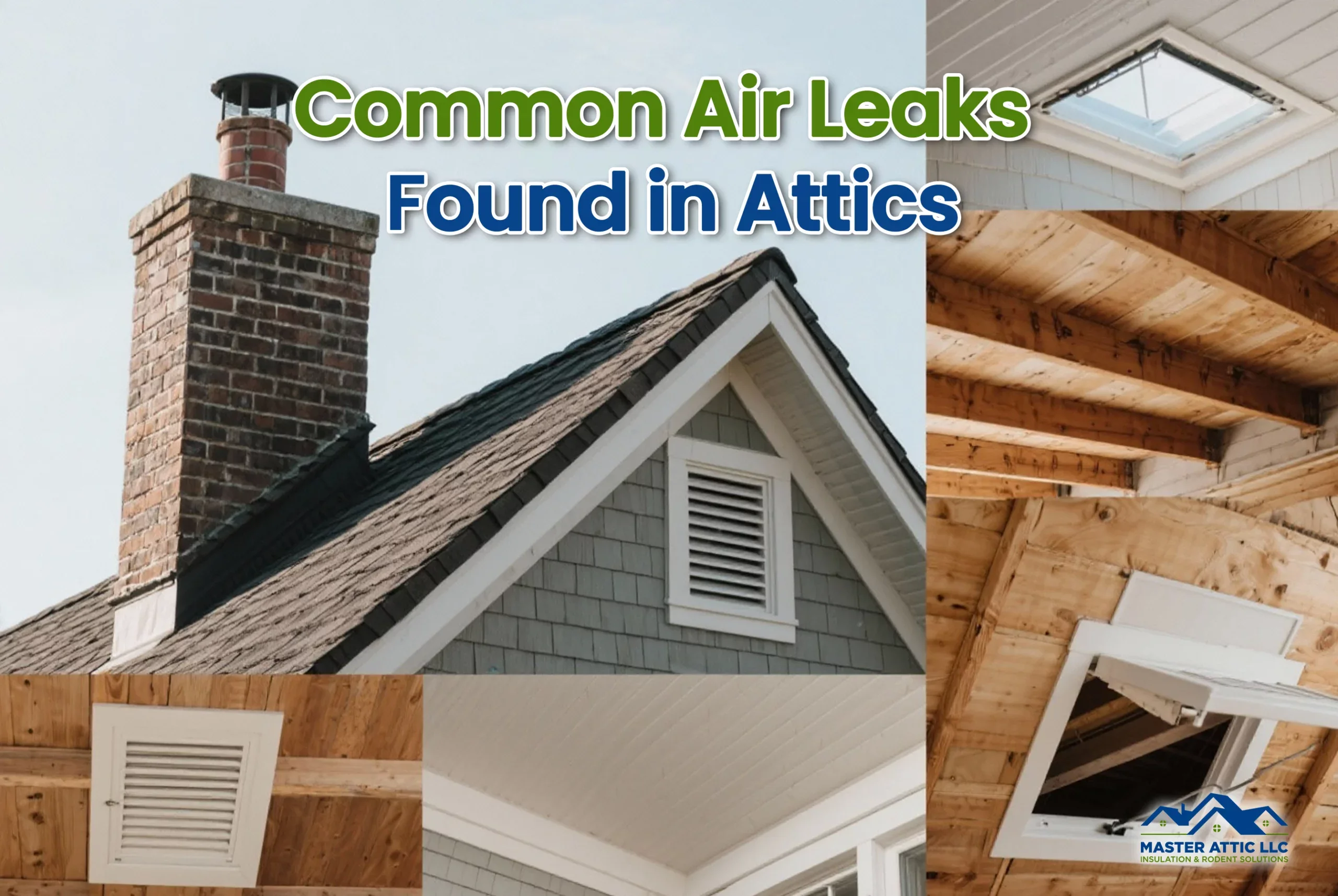
Air sealing measures are often installed around:
- Vents
- Soffits
- Chimneys
- Roofline
- Attic hatches
- Electrical or wiring holes
Any space in your attic that has direct access to the outdoors has the potential to leak air. Sealing it with expanding foam stops this leakage in its tracks! The foam is sprayed into place, and it expands to fill every inch of available space. Doing so blocks any external air from sneaking in where it shouldn’t.
Once this process is completed, the air in your home will only be able to travel where your HVAC system and vents have designated. This results in lowered energy bills, more comfortable living spaces, and a better peace of mind. See the benefits here.
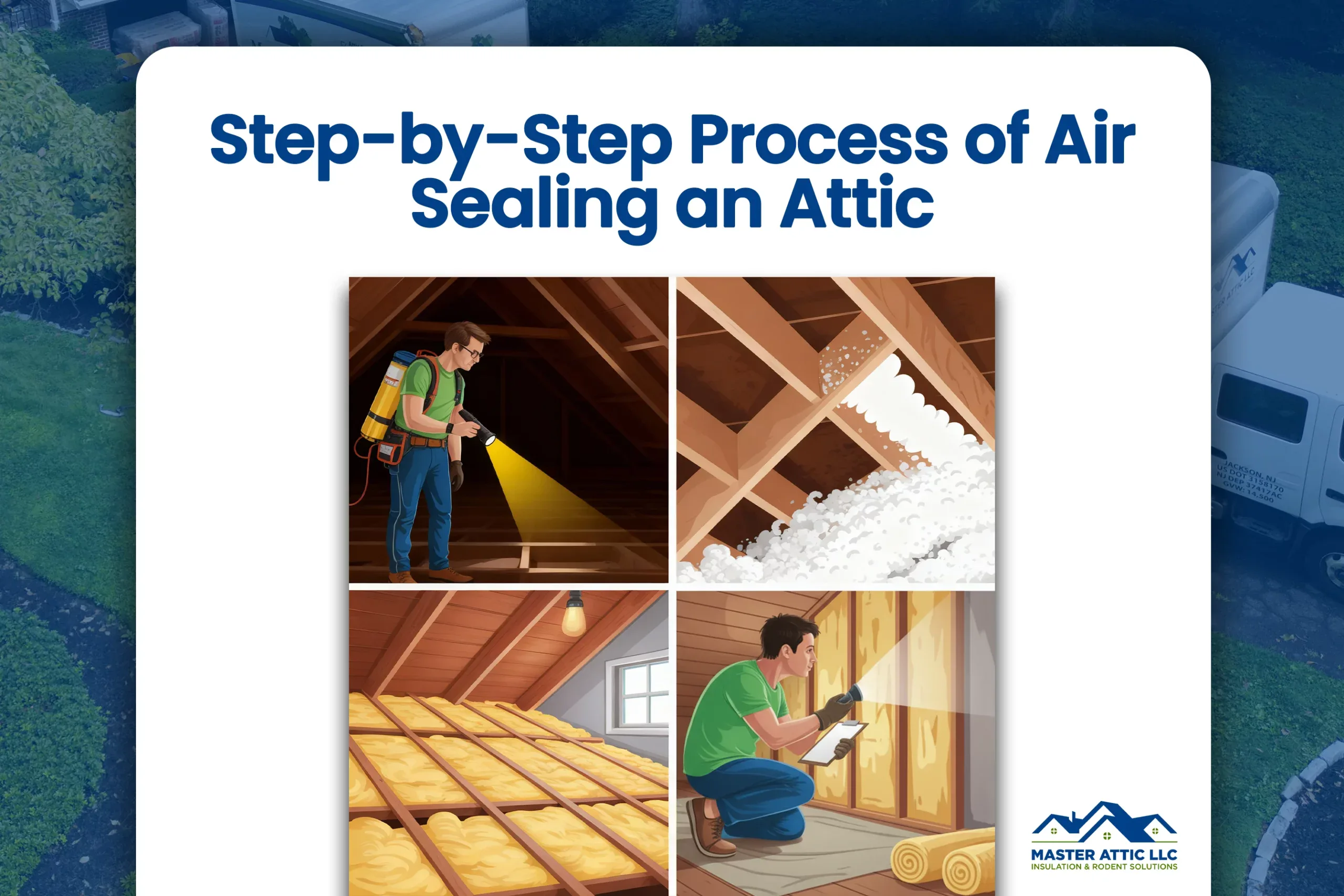
Step-by-Step Process of Air Sealing an Attic
While it may seem like an easy process to spray expanding foam in the corners of your attic, it is actually a more practiced and detailed process. The steps are below to help you get a better understanding of how attic air sealing works.
Inspect First
To gain a full understanding of your attic and your space needs, your attic requires a comprehensive inspection. A professional air sealing team can identify problem areas and can use specialized tools to track down stubborn or tricky drafts.
Tricks like using flashlights and incense sticks to uncover drafty areas can help locate every vulnerable spot in your attic. Once you fully understand the situation in your attic, you can make your sealing plan.
Seal Gaps and Cracks
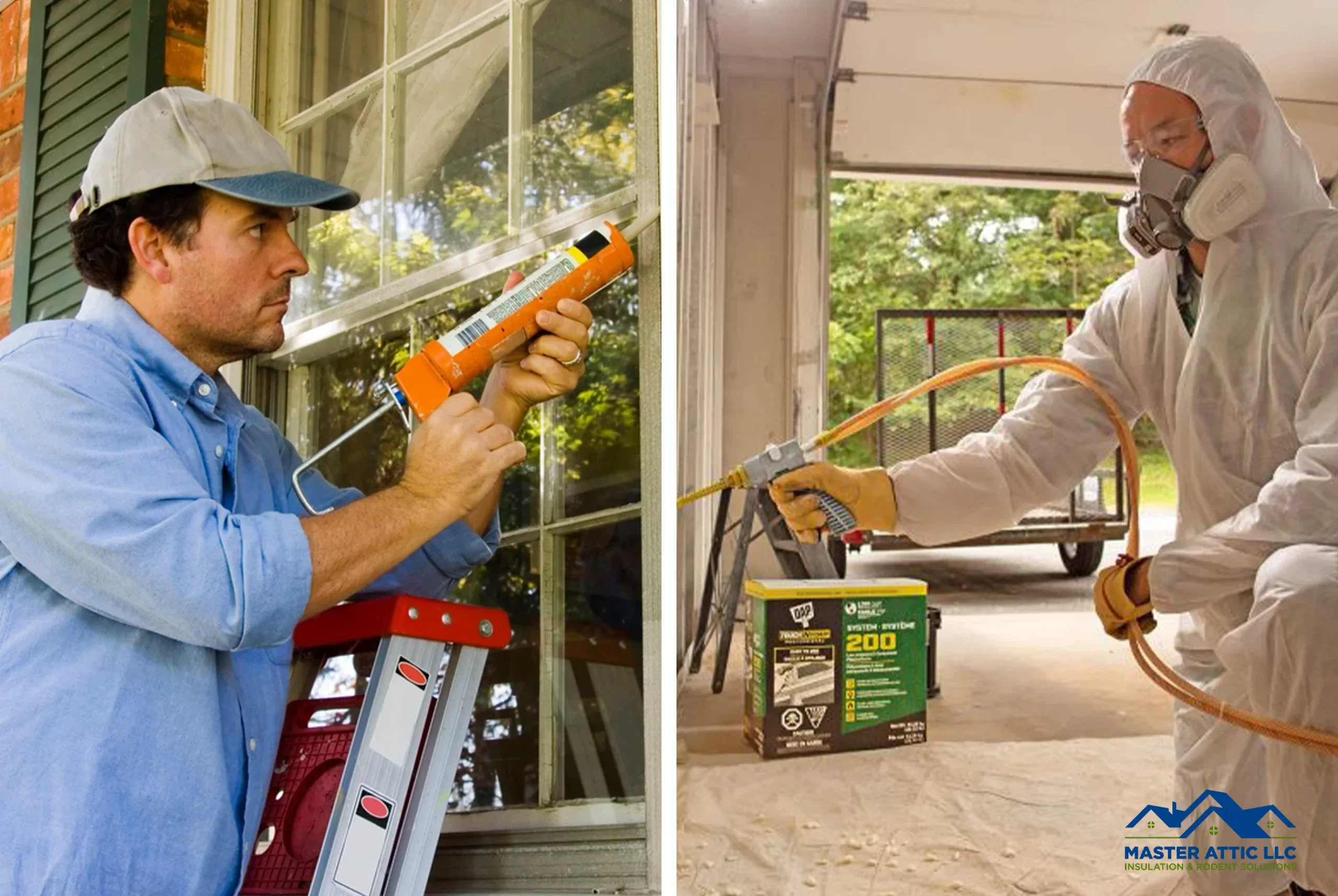
Caulk can be used for small cracks and for areas around windows and other small areas. This sticky substance will bind to virtually any surface and will offer a tight seal around these areas. For larger sealing projects, expanding foam is often the choice for a more comprehensive seal.
Once installed, the caulk and foam is left to cure completely over a period of a few hours or days (depending on the conditions and season).
Weatherstrip Access Points
Weatherstripping can also be used around doors and attic hatches. Weatherstrips offer a reliable seal while also still being flexible to the needs of your doors and/or hatches.
Insulate After Sealing
Finally, your insulation is evaluated to see if a replacement or upgrade is needed. Insulation works hand-in-hand with your air sealing to control air flow, so having one without the other can make it harder for your home to operate smoothly.
New insulation in your attic can make your living spaces warmer while also supporting your HVAC system throughout the year.
Professional Help vs. DIY Air Sealing
So, do you tackle this attic air sealing project on your own or do you let a professional handle it? Most projects should be handled by a professional air sealing team. However, if you are simply adding caulk around a single window or are adding a weatherstrip around your back door before the winter season, these projects can be handled on your own.
If your home is struggling with temperature fluctuations or if you suspect you have a significant air leak problem in your attic space, leave this project to the professionals at Master Attic! We will ensure your home is ready for the fall season so you can enjoy your cozy and warm home without worry.

Extra Fall Maintenance Tips for Your Attic
The fall and winter seasons can be brutal on homes! Before the rain pours down and the snow flies, you should make sure that your home is equipped with what it needs to protect you and your family.
Focus on these steps to prepare your home for the seasons ahead:
- Check for signs of moisture or mold
- Ensure proper ventilation to balance airflow
- Clear out clutter that traps dust and blocks airflow
Now that you understand these steps and why attic air sealing is important, your home will be prepared for whatever is in store for our community as the seasons change!
Contact Master Attic Today!
Master Attic is a leader in attic air sealing services. Contact us today at (800) 285-4009 to schedule your fall air sealing!