The Top 3 Common Attic Pests You Need to Watch for During the Winter
When the weather cools down, chances are that you and your family head indoors to spend much more time within your warm home. You close up the windows, install draft blockers to keep out the chilly wind, and keep your furnace or fireplace running consistently.
While staying warm and cozy is a priority for you, it’s also a priority for all of the neighborhood critters and pests around your home. If you don’t properly seal up your attic and crawl space before the winter season hits, you may very well be surprised by a pest infestation when the temperature drops outside.
Let’s explore more about the top three most common attic pests and how they each impact your home during the fall and winter seasons.
Common Attic Pest 1: Squirrels
Squirrels may be cute and entertaining as they run around your yard gathering nuts for the winter, but you certainly don’t want them inside your home. Squirrels are considered prey animals, and they are always prioritizing safety. As the weather cools down, it becomes dangerous for them to be exposed to the elements and they also become more attractive to hungry predators.
When it comes to looking for a home during the fall months, they are looking for safety, security, and reliability. That’s where your home, and your attic specifically, come into play! Your attic space is dry and warm and offers a reliable space that will keep them out of the elements and out of the hands of a predator.
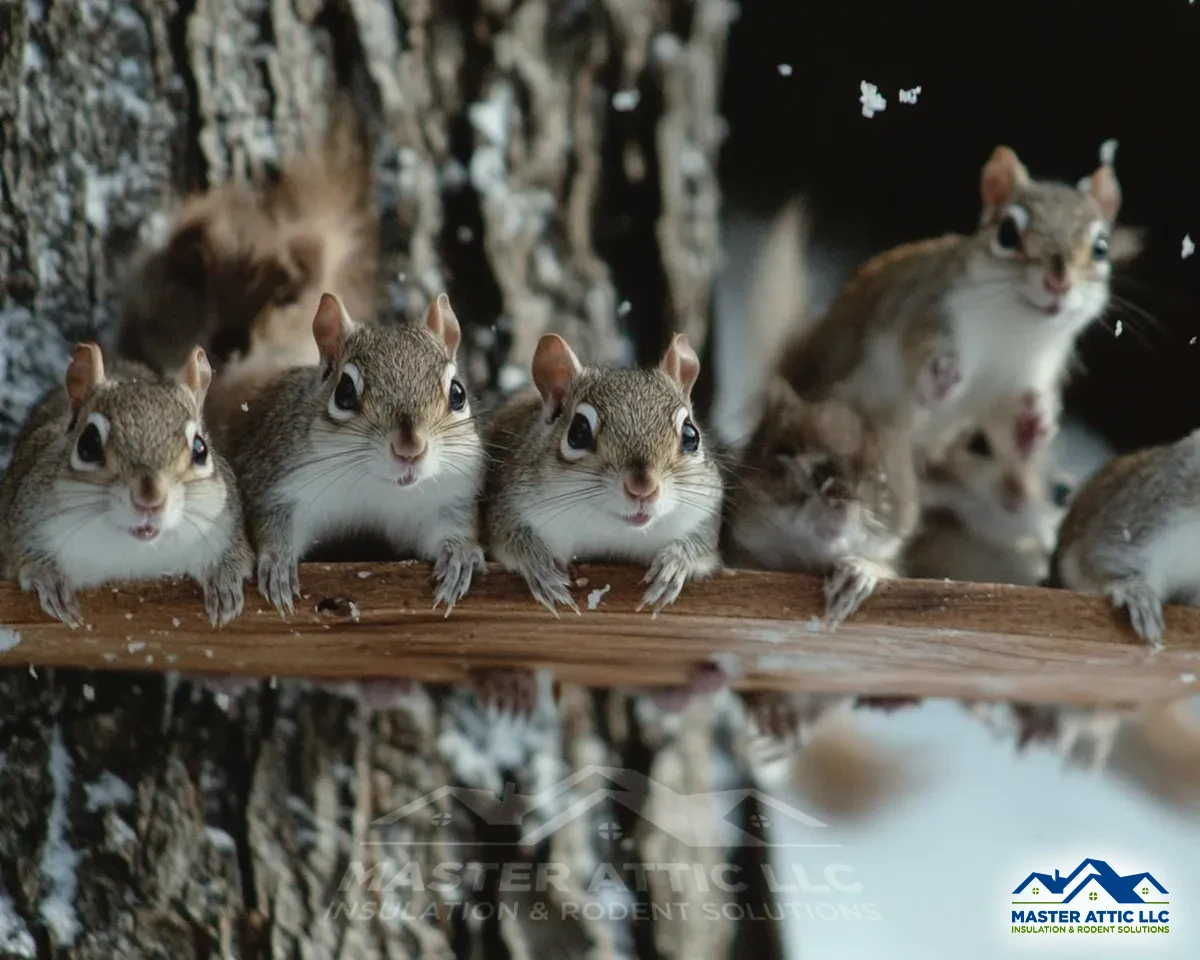
While it might not seem like a major problem to have a squirrel or two in your attic, it is the unfortunate truth that they will cause serious issues in your home in a short amount of time. Squirrels are known to chew through wires, damage insulation, and leave droppings all over the place.
They can even get into your walls and cause further problems throughout your living spaces. Don’t ignore signs of a squirrel infestation!
Common signs of a squirrel problem include:
- Scratching sounds in your attic
- Sounds of movement above your head
- Electrical problems in the rest of the house
- Damaged insulation
- Visible droppings
If you notice these signs, it’s time to call a professional squirrel removal team to handle the removal safely and humanely.
Common Attic Pest 2: Bats
Your neighborhood benefits greatly from having bats flying around the community! They help keep the mosquito population under control, and they also play an important role in pollination during growing seasons. However, you definitely don’t want them to find a way into your attic.
Bats are destructive, and they also pose a serious health risk for you and your family. Bats are known to be carriers of some pretty dangerous diseases like rabies, and they can pass these diseases onto humans without getting sick themselves.
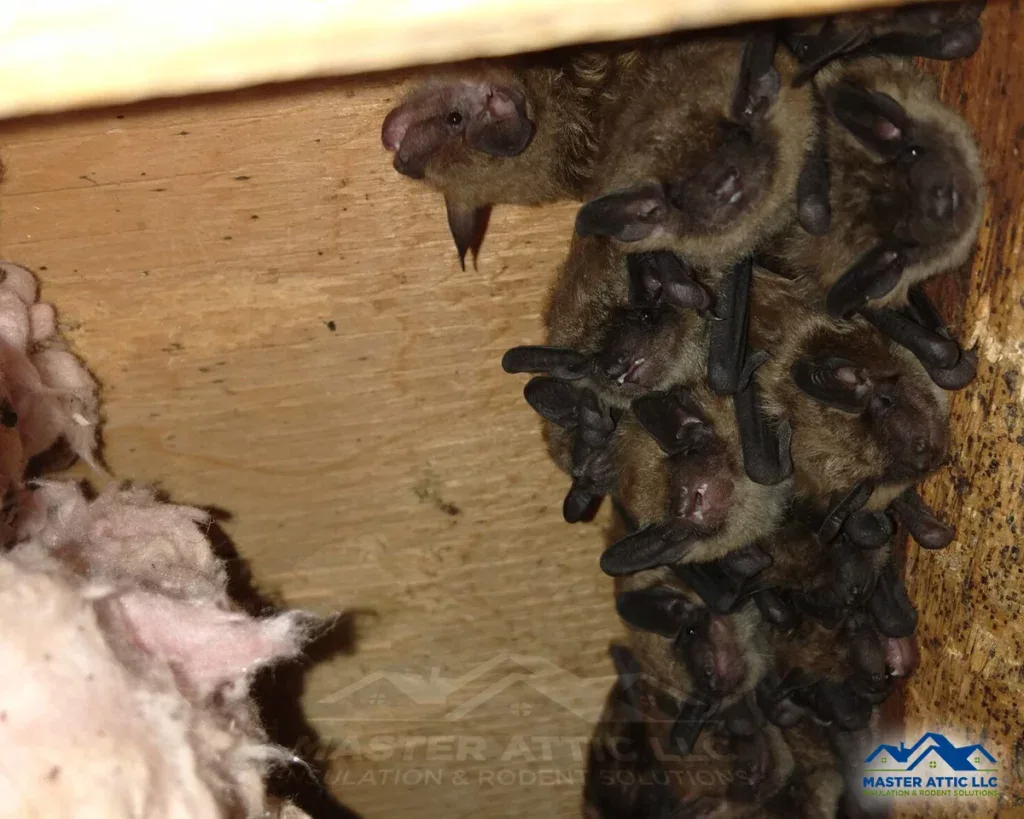
For that fact alone, you should be proactive about taking care of a bat infestation immediately. To convince you even further that a bat infestation needs to be tackled quickly, bats can also be destructive.
Bats live in colonies, so if you see one bat in your attic, chances are that there are many more hidden out of sight. Guano will start to pile up underneath roosting spots, sticky grease will be left around their entry points, and they can even chew through structural supports and wires.
If you suspect that you are dealing with a bat infestation, stay far away from your attic and call a professional bat removal company right away. All it takes is a single bite from a bat to make you really sick, and it can even be fatal if the bat is carrying rabies. A professional team will have the training and the safety gear to stay protected while taking care of your problem for you.
Common Attic Pest 3: Raccoons
You might be thinking to yourself, “How would a raccoon even get into my attic?” While it is true that raccoons are much bigger than bats and squirrels, they can fit into some surprisingly small spaces. A crack in your roof line, missing siding and unsecured vents are easy access points. Raccoons can even create their own entry points if they are desperate enough. They can chew and rip through shingles and siding in order to gain access to your cozy attic space.
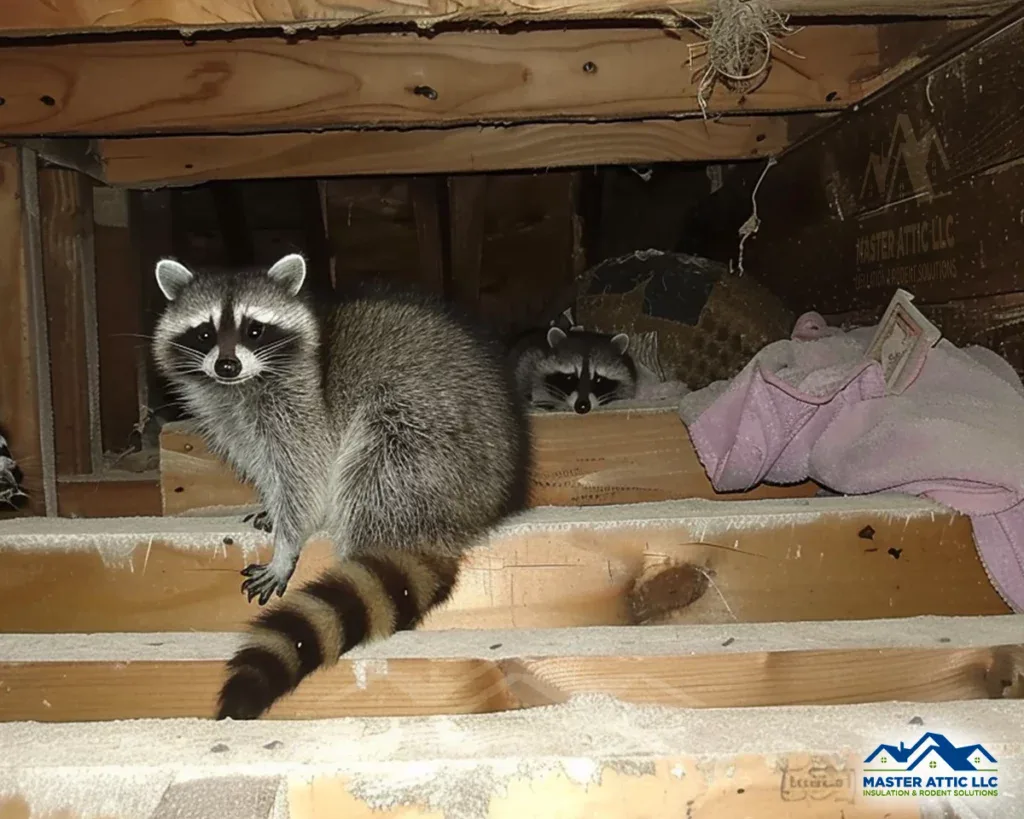
Once inside, you can expect them to cause just as much destruction as squirrels and bats. In fact, they might cause destruction on an even larger scale if you have multiple squirrels living in your attic! Larger pests will lead to a faster accumulation of droppings, urine and hair, and they will destroy your insulation and wooden beams as well.
If you hear scratching above your head, start to smell a stinky odor in your living spaces or see a raccoon crawling around your roof, it’s time to call a professional raccoon removal company for a quick and efficient removal.
What Happens During a Pest Removal Appointment?
Safety is key whenever it comes to removing a pest from your attic space. A trained pest removal company will have the right gear and tools to handle the entire process safely, so always be sure to call for help when needed.
An initial evaluation of your space will determine the size and scope of your infestation, and it will also give the removal team the information they need to proceed. A reputable pest removal company will prioritize removing the pests humanely versus simple extermination, so live traps and one-way doors will be set out to capture them, and then they will be released in a safe location far from your home.
After that, any entry points will be sealed and repaired so they cannot come back in. Mesh wire can be laid over vents, holes are repaired and new shingles are installed to seal your home back up again. Finally, your attic space will be cleaned and sanitized to protect the health, safety and functionality of your roof once more.
Don’t ignore signs of a pest infestation this fall! Call the professionals at Master Attic today at (800) 285-4009 for a quick and efficient removal.