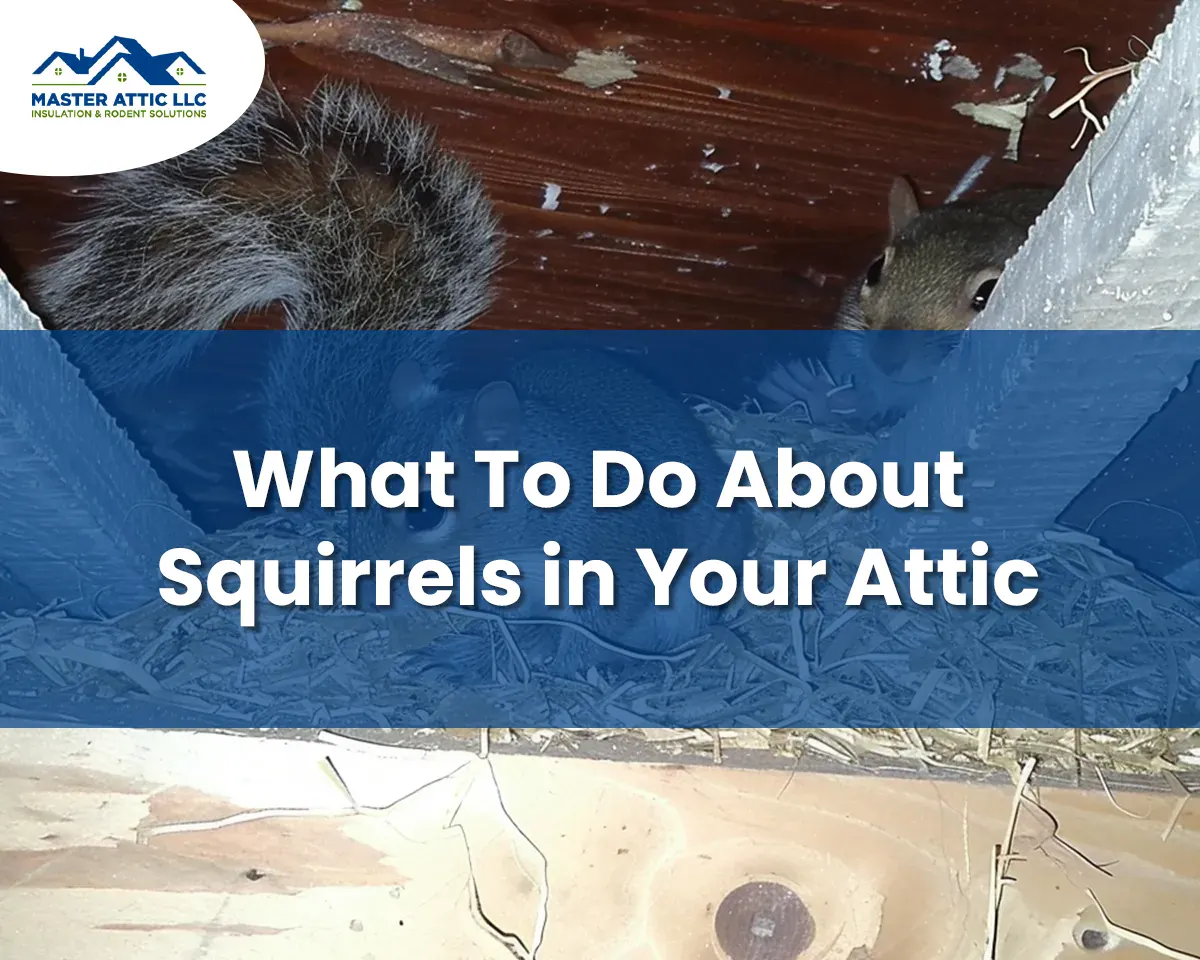
What To Do About Squirrels in Your Attic
One moment you are minding your own business in your home making dinner or tending to your kids, and the next, you hear a scratching sound above your head. You stop for a moment and listen, and you hear it again. Suddenly, the pitter-patter sound of tiny feet is noticeable.
Uh oh, do you have squirrels in your attic? Pest infestations are a common problem in the fall, especially when it comes to squirrels.
While you are busy running around making sure your attic hatch is shut tight to keep them up there and away from your family, it’s important to know what to do next to ensure the squirrels are removed safely and effectively.
Read below to learn more about the important steps to follow if you find yourself dealing with attic squirrels.
Identifying Your Squirrel Problem
As the weather cools down and the elements become less ideal, you and your family seek the comfort and safety of your home. Unfortunately, your neighborhood squirrel families are doing the same thing! They will soon start to hunt for the best place to ride out the chilly winter season, and your home will become a potential target.
In addition to the warmth that your attic space provides, it also provides protection from the predators out in the wild, so finding a good place to hunker down is essential to their survival. However, you certainly don’t need to provide them with housing!
The quickest way for squirrels to get into your home is through gaps, cracks or roof damage. They can fit through some very small spaces, so don’t underestimate any sort of hole or weak spot in your home. Once inside, they will quickly make their nests and settle in for the weather ahead.
The good news is that once squirrels are in your home, they aren’t very sneaky. You will most likely notice that something is amiss as soon as they make your home their cold weather refuge.
Watch for these signs of a squirrel infestation:
- Scratching or scraping sounds
- Sounds of movement above your head
- Electrical problems in the rest of the house
- Stinky or musty odors
- Visible droppings
- Holes in shingles or exterior siding
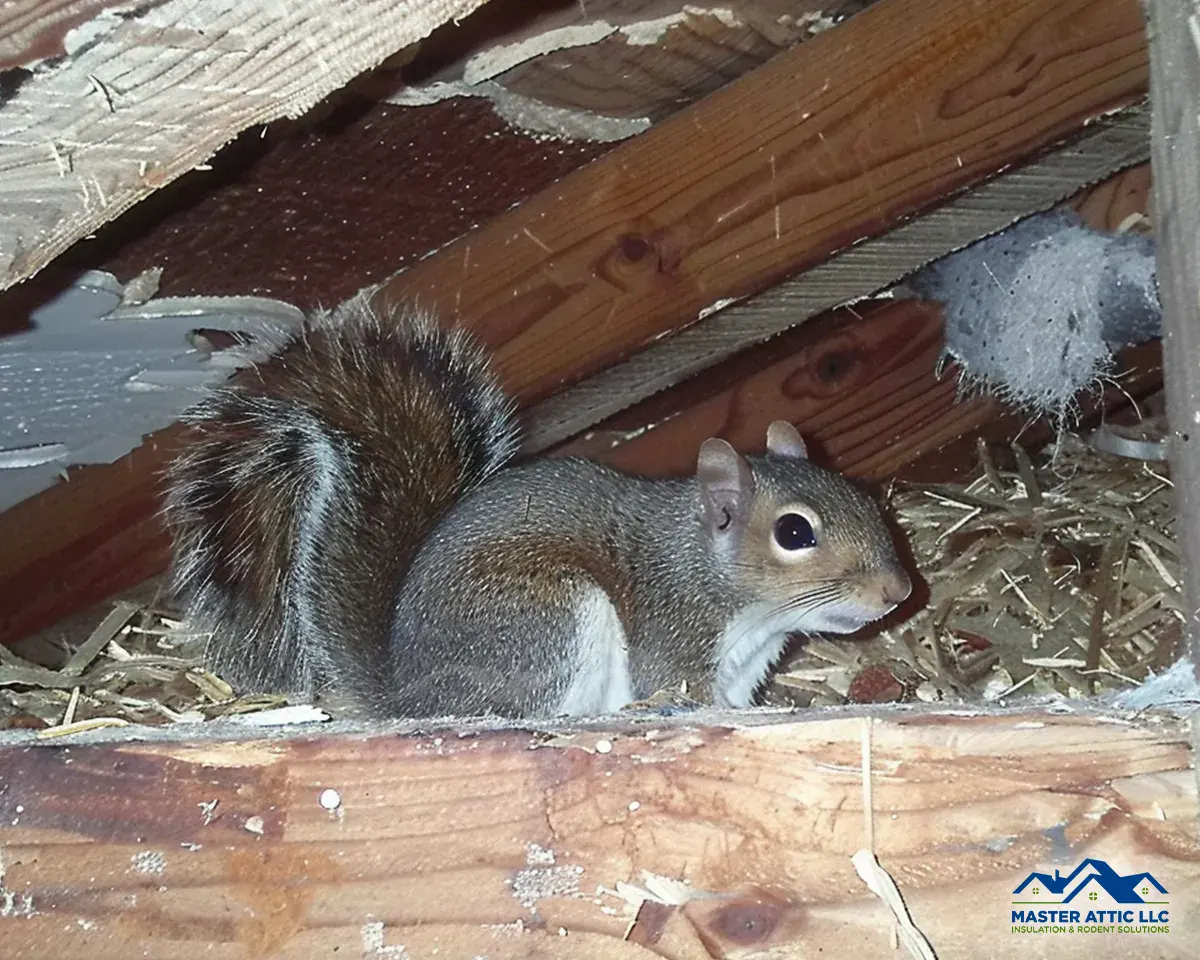
If you notice one or more of these problems, it is essential that you do some investigating to catch them right away before they make things worse. The longer your attic is unsecured, the worse your home damage can get!
As more squirrels make their way inside, you can expect more structural damage to your joists and support beams, your insulation will be at risk of becoming damaged or ruined beyond repair, and your indoor air quality will begin to suffer.
However, make sure you are exercising extreme caution whenever you are dealing with wild animals. Approach the situation carefully and never be afraid to ask for help from a professional pest removal team.
How Squirrel Removal Works
The first step to taking care of your squirrel problem is to locate where they are coming in. There is no use removing the squirrels if more will simply come in behind them and replace them!
A trained professional squirrel removal team will evaluate your attic space and look for holes in your siding, sagging sections of your roof or missing shingles. Once the likely entry point is located, then it’s time to start going after the squirrels themselves.
The proper PPE and safety gear should always be worn when dealing with wild animals. In addition to reducing your risk of getting hurt during the removal process, equipment like respirators can help filter out any contaminated air in your attic.
To remove the squirrels from your attic, traps or one-way doors can be used to move them outside where they belong while keeping everyone safe. Most reputable pest removal companies will also make sure that the squirrels are released safely back into the wild where they can live in comfort. Extermination often isn’t the solution because more will eventually replace the ones in your attic if your attic isn’t secured.
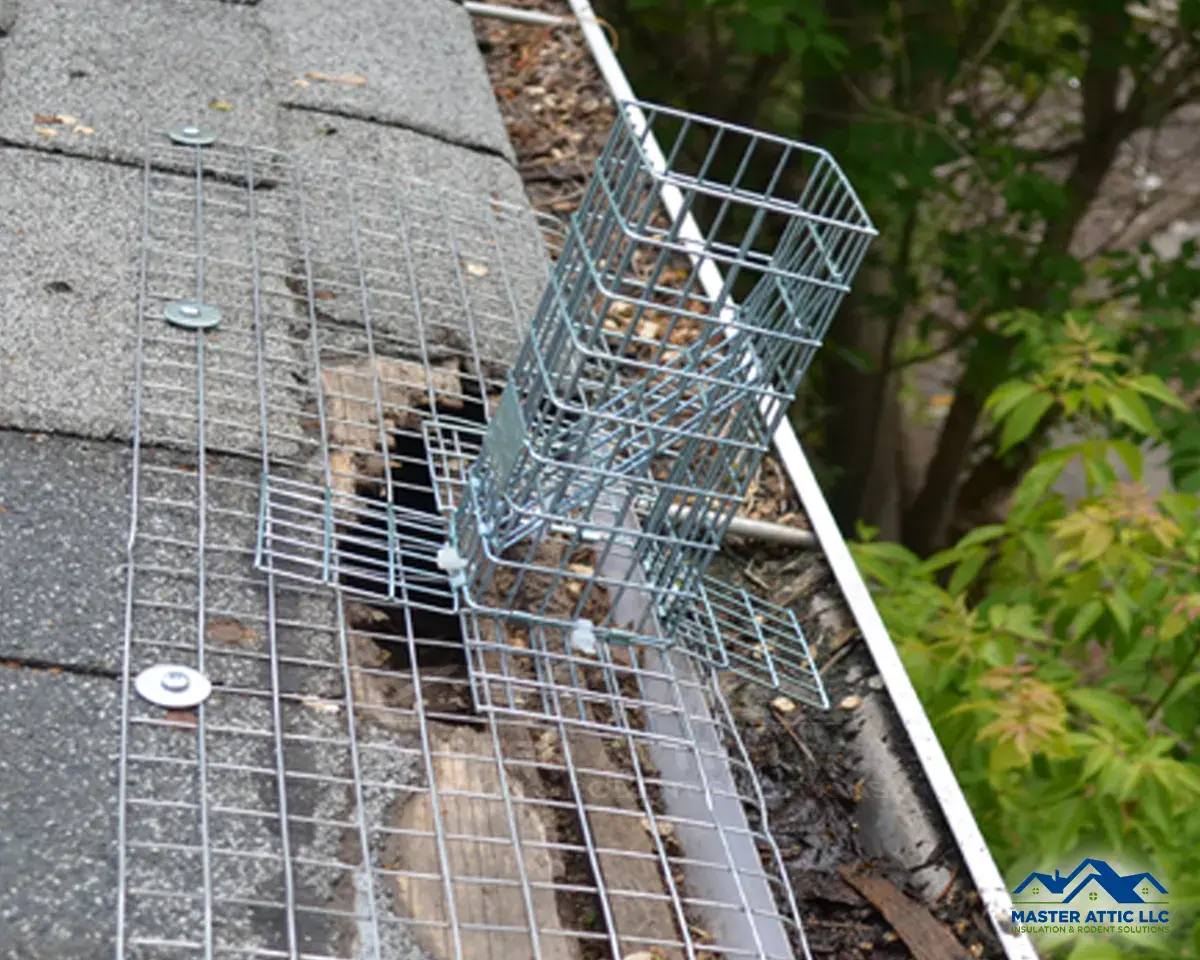
Once the squirrels are gone from your attic space, it’s time to seal up those entry points so more squirrels or another rodent family cannot take their place. This includes installing wire or mesh fencing or even sealing and repairing holes completely.
Why Professional Squirrel Removal Is Important
Your home matters to you, which means that you should care about every aspect of it! Avoiding a pest problem in your attic might be easier in the short term, but squirrels and other rodents can cause some serious issues for your home the longer you ignore the problem.
Failing to have your pests removed professionally will ultimately lead to further headaches and more structural damage throughout your home. You can expect these issues below to only get worse as your pest infestation grows.
Faulty Electrical Systems
Chewed or frayed wires are annoying, but they can also be downright dangerous. Once your wires are exposed, your risk for a house fire goes up considerably. In addition, you will experience flickering lights or even rooms that don’t light up at all. Depending on the severity of the damage, you could be faced with a hefty electrical repair bill.
Ruined Insulation
Your attic insulation has an important job in your home, but unfortunately, it simply looks like a cozy bed for your squirrel family. As they settle into your attic insulation, they will press it down, use it as a bathroom space or tear it apart to use for their nests. Over time, this damage will render your insulation ineffective and you will need to replace it completely.
These reasons and more is why you should call a pest removal team as soon as you discover the problem. The squirrels will be removed humanely, your attic will be sealed up, and you can rest easy knowing that your home belongs to only your family once more.
Dealing with a squirrel infestation this fall? Call the team at Master Attic at (800) 285-4009 to schedule your squirrel removal today.