
Can Bats Cause Damage to Your Attic?
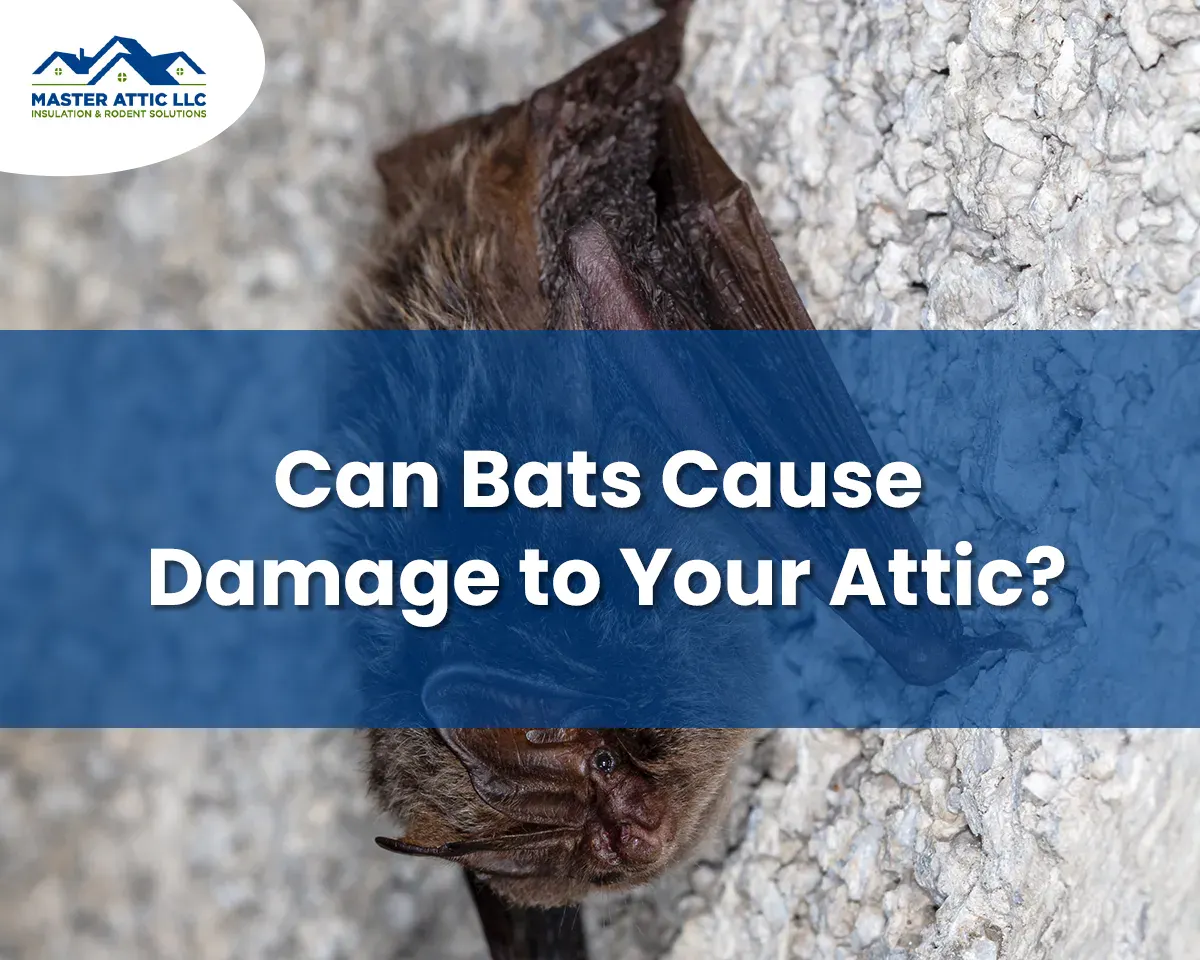
Bats are an essential part of the natural world. They help with pollination and they are vital to helping control the mosquito population, so having them around is crucial for a healthier and more vibrant community.
However, you certainly do not want them in your attic or anywhere else in your house. While bats are important to the ecosystem, they can wreak havoc in your home and can cause serious damage to your property.
Let’s explore more about the impact of having bats in your attic and how they affect your home.
Your Home and Bat Colonies
Bats are wild nocturnal animals, and they thrive in the wide open air as they fly around looking for food during the evening hours. They also need a safe place to rest at the end of each day! While many bats find refuge in trees, caves, or rocky areas, there are some that will seek out the safety of your home.
You rely on your home to keep you safe, warm, and protected, which is exactly what the bats see when they make their way into your attic. Attics are known to be warm and protected from the elements. They are also a reliable space to stay hidden from predators. All of that combines together to make the perfect home for a prey animal like bats.
Depending on how long the bats are in your attic, they can even grow their colonies and have babies in your attic space. Having bats in your attic for any amount of time can lead to serious consequences for your home as well as for the health of your family.
Structural Damage to Your Home
To start, your home will suffer damage from the moment bats infiltrate your attic space. They can fit through tiny holes and cracks in your roof line, and each time they squeeze through, you can expect your roof to suffer and start wearing away.
Bats need roosting places in order to sleep, so your attic joists and beams will quickly become communal roosting sites. They will gnaw and scratch at the wood to create a cozy sleeping environment, and that will significantly impact the structural integrity of your attic space.
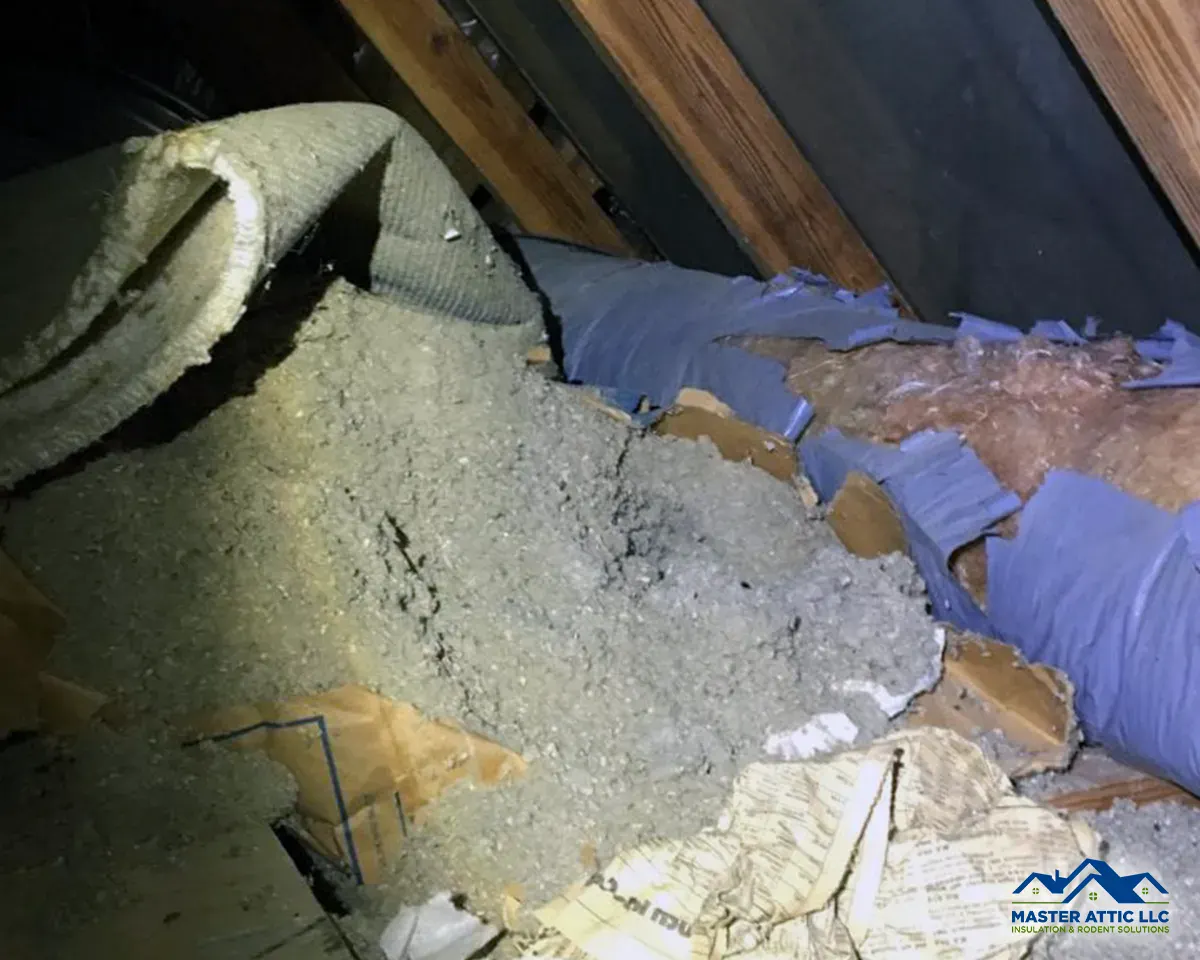
In addition, they will wreak havoc on your insulation. If you have blown-in or batt insulation in your attic space, it could get flattened or ripped apart with the constant activity. Damaged insulation can’t work the way it is supposed to, which can cause your home to struggle with heat, humidity and moisture issues.
The Impact of Bat Droppings
Bat droppings, often referred to as guano, will quickly accumulate in your attic space. Bats won’t treat your home with the same care and respect as you do! While a few droppings here and there won’t make too much of an impact, large colonies of bats can really cause a problem. As the piles build up under roosting sites and entry points, the wood and other structural materials underneath will start to degrade.
Over time, the weight of the guano can even collapse roofs if the bat infestation is bad enough. As your roof starts to wear away, water leaks become more likely, which will lead to even more problems for you in addition to the pest infestation.
In addition to the structural safety concerns of bat dropping accumulation, it also poses a health risk to your family. Bat guano can contain harmful pathogens, including dangerous fungal spores that can cause respiratory issues if they are inhaled.
Stains and Stink
The odor from bat guano can be overwhelming as the accumulation grows, which can make your home stink and have a persistent smell of droppings in your living spaces. Guano also leaves behind dark stains, which will discolor walls, floors and ceilings.
Bats also have a layer of greasy oil on their exterior coats to help with waterproofing, but that grease can also be left behind on your siding and roofline as the bats squeeze their way inside your home. Over time, this grease layer can cause dark stains to grow and can start to break down your home’s building materials.
What To Do About a Bat Infestation
If you discover a bat problem or notice any of these signs becoming apparent in your home, it’s time to take action. The most important thing to remember is to exercise extreme caution around bats, even if there is only one for you to deal with.
Bats are known to be carriers of particularly dangerous diseases like rabies. Unfortunately, bats don’t necessarily show symptoms of every disease they are carrying, so you most likely won’t know if they pose a health risk to your family until it is already too late.
Keep your distance from the bats and ensure your children and pets are far away as well to minimize exposure. The best way to tackle a bat infestation is to call a professional pest removal team. A professional pest removal team will have the tools, training, and proper safety gear to stay protected white the extraction is happening.
In addition to the structural safety concerns of bat dropping accumulation, it also poses a health risk to your family. Bat guano can contain harmful pathogens, including dangerous fungal spores that can cause respiratory issues if they are inhaled.
Stains and Stink
The odor from bat guano can be overwhelming as the accumulation grows, which can make your home stink and have a persistent smell of droppings in your living spaces. Guano also leaves behind dark stains, which will discolor walls, floors and ceilings.
Bats also have a layer of greasy oil on their exterior coats to help with waterproofing, but that grease can also be left behind on your siding and roofline as the bats squeeze their way inside your home. Over time, this grease layer can cause dark stains to grow and can start to break down your home’s building materials.
What To Do About a Bat Infestation
If you discover a bat problem or notice any of these signs becoming apparent in your home, it’s time to take action. The most important thing to remember is to exercise extreme caution around bats, even if there is only one for you to deal with.
Bats are known to be carriers of particularly dangerous diseases like rabies. Unfortunately, bats don’t necessarily show symptoms of every disease they are carrying, so you most likely won’t know if they pose a health risk to your family until it is already too late.
Keep your distance from the bats and ensure your children and pets are far away as well to minimize exposure. The best way to tackle a bat infestation is to call a professional pest removal team. A professional pest removal team will have the tools, training, and proper safety gear to stay protected white the extraction is happening.
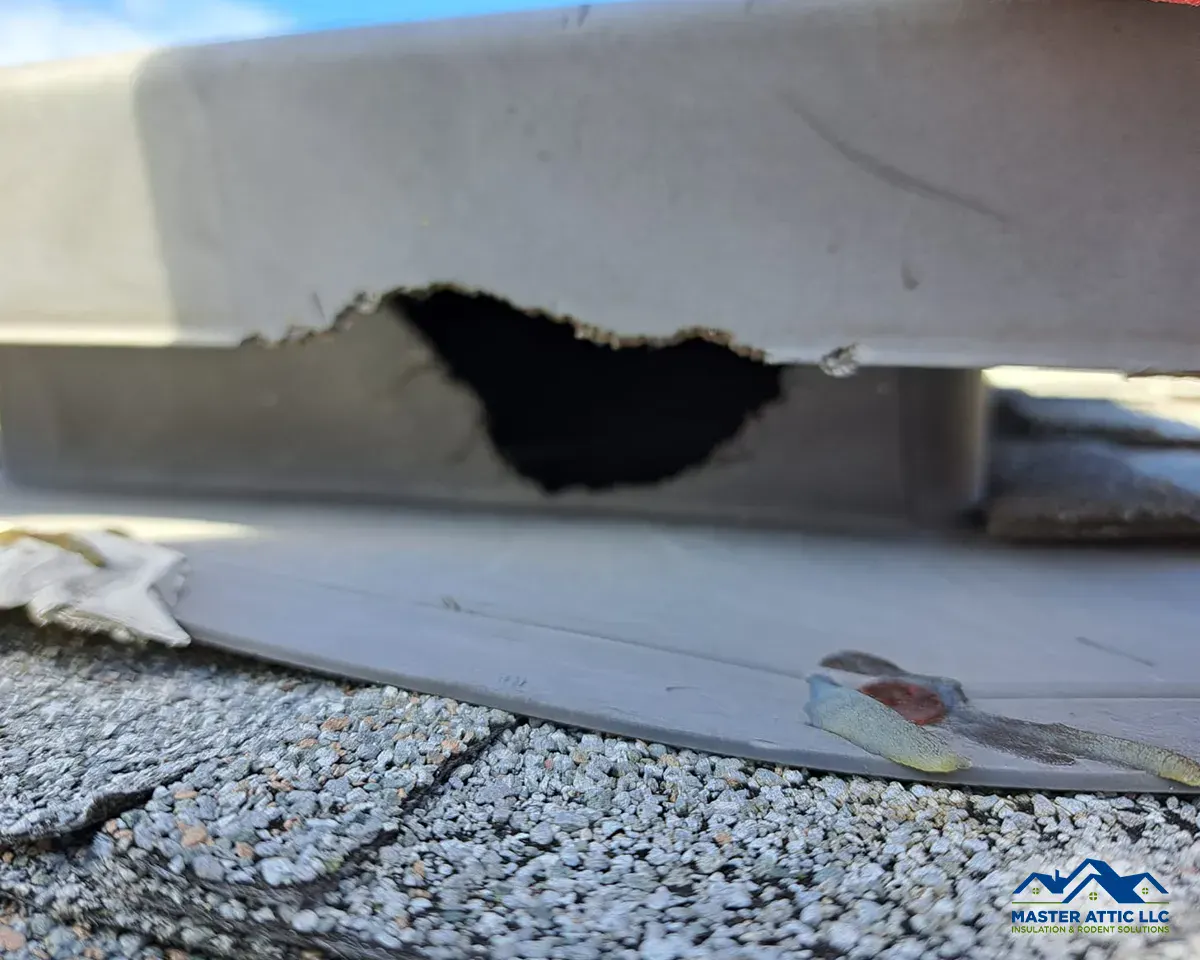
First, the entry point is located and sealed off to prevent more bats from coming back in. Common entry points include:
- Vents
- Chimneys
- Siding gaps
- Roofing
Once the entry points are sealed, the bats will be humanely removed and moved to an appropriate location away from your home. Finally, a professionally trained team will be able to give you some tips to help reduce your risk of experiencing a bat problem in the future.
You can invest in certain lighting to help deter bats as well as keep your shrubs and trees trimmed around your home to make it less attractive for future bat colonies.
At the end of the day, you can overcome a frustrating bat problem and avoid serious home damage with the help of a trained bat removal team.
Struggling with a bat problem in your attic? The team at Master Attic is ready to help. Call us today at (800) 285-4009.