
Do Bats Come Back to the Same Place Every Night?

Picture this: you’re outside, cleaning up toys or taking garbage to the curb at the end of the night, when you see it. A bat flying around the highest eave of your house. Is it just passing by looking for food, or is something more sinister going on?
Bats are nocturnal animals, which means they do the majority of their hunting in the overnight hours. It is normal to see bats flying overhead as the sun goes down or when you are spending time outside in the evenings. However, seeing them regularly flying around your roof or eaves of your house may mean that you are dealing with a potential bat infestation that needs your attention.
If you see a bat or two near your home, you may wonder, “Do bats come back to the same place every night?” The answer is yes, they usually come back to the same place each night if they have found a reliable place to roost.
Let’s break down more about the habits of bats and what to do about a recurring problem or bat colony in your attic below.
Common Roosting Habits of Bats
Just like humans, bats are focused on finding safety and security for themselves and their families. They are on the hunt for a location that is protected from the elements as well as far away from potential predators.
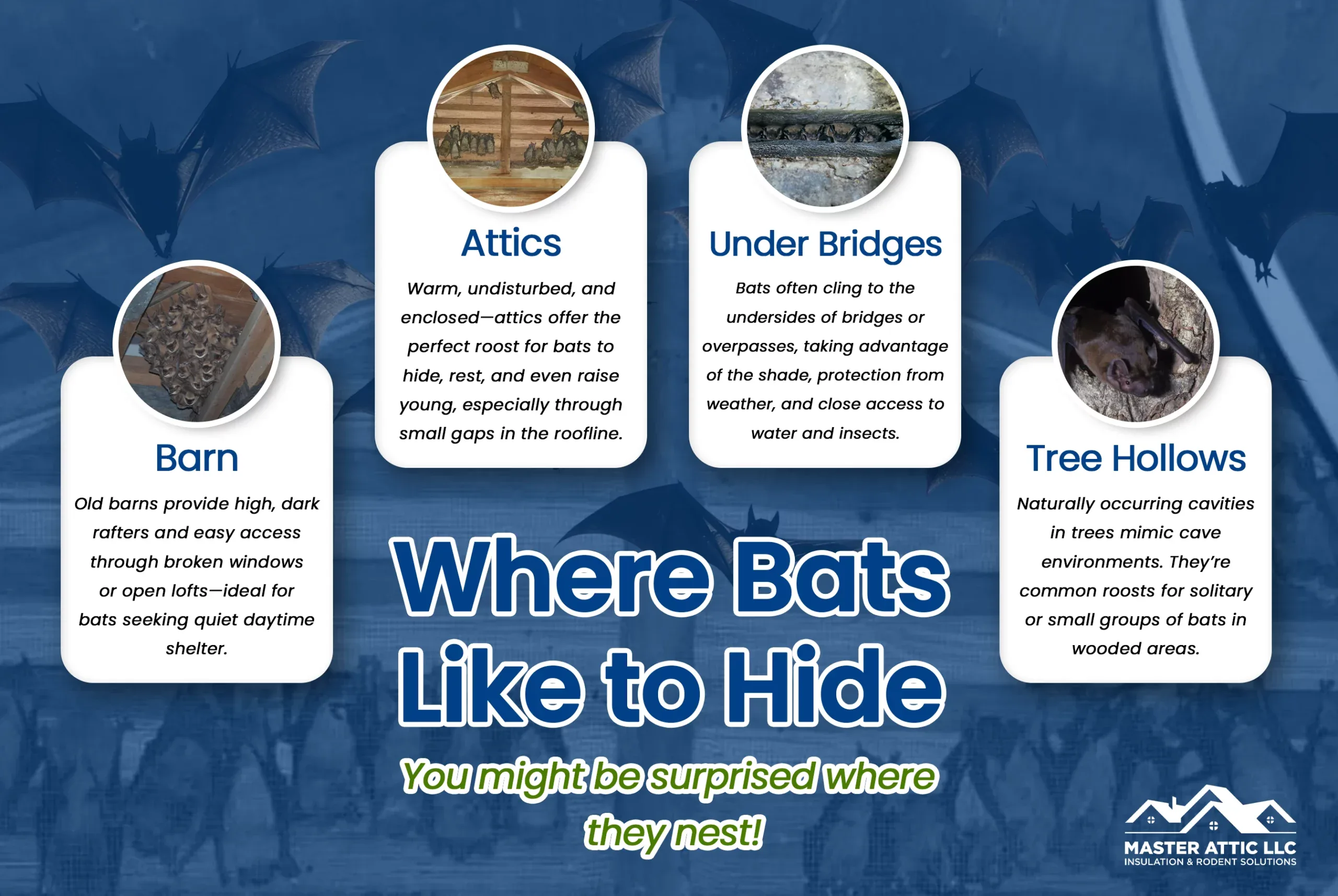
Common outdoor roosting locations for bats include:
- Barns
- Tree hollows
- Caves
- Under bridges and overpasses
Your attic space is also on this list!
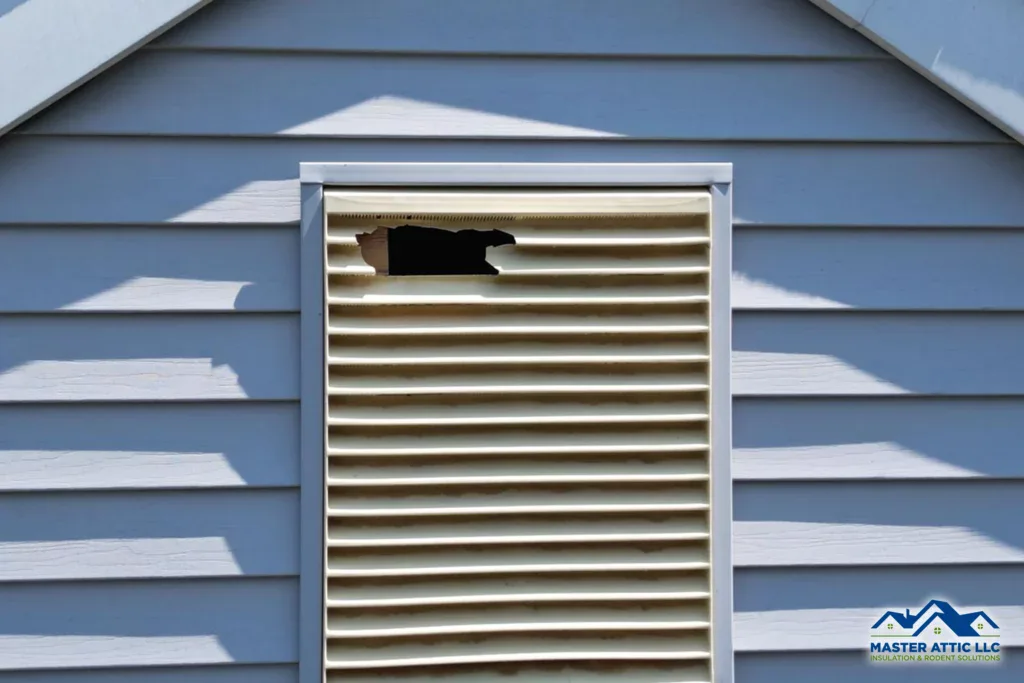
Your attic is warm, secure, and offers a reliable place to rest and raise young. If there’s a vulnerability in your attic structure, such as a gap or damaged roofline, a bat may find its way inside. If that happens, you could be dealing with a growing bat colony within weeks.
Bats are creatures of habit. Once they’re settled in a place to roost, they will continue returning until they are removed or forced out.
Why Bats Return to the Same Place
You may wonder, “Why would bats come back night after night?” It’s not just coincidence—it’s instinct and survival. Here are the main reasons:
1. Safety and Shelter
Just like we prefer warm, dry homes, bats are drawn to enclosed, dark, and quiet areas where they can safely rest. Your attic offers protection from wind, rain, predators, and temperature extremes.
2. Colony Life
Bats are social animals. Female bats especially seek safe maternity roosts to raise their young. Some species give birth just 4–6 weeks after mating, so a colony can multiply quickly.
3. Proximity to Food
Bats feed on mosquitoes and other insects, so if your home is near a pond, lights, or has dense vegetation, your area may offer a rich foraging ground. Staying nearby helps them conserve energy.
📊 Easy Reference Chart: Why Bats Roost in Your Attic
Reason | Explanation |
Shelter | Attics offer dark, enclosed protection from predators and weather. |
Breeding Space | Female bats need warm, undisturbed spaces to raise pups. |
Consistent Environment | Once settled, bats prefer not to relocate unless disturbed or removed. |
Food Nearby | If your yard has mosquitoes or insects, bats stay close to hunt efficiently. |
Signs That Bats Are Returning Nightly
One bat flying around might be harmless. But if you notice a pattern of nightly activity or other signs, you may be dealing with a colony.
Watch for these common indicators:
- Repeated sightings at dusk or dawn
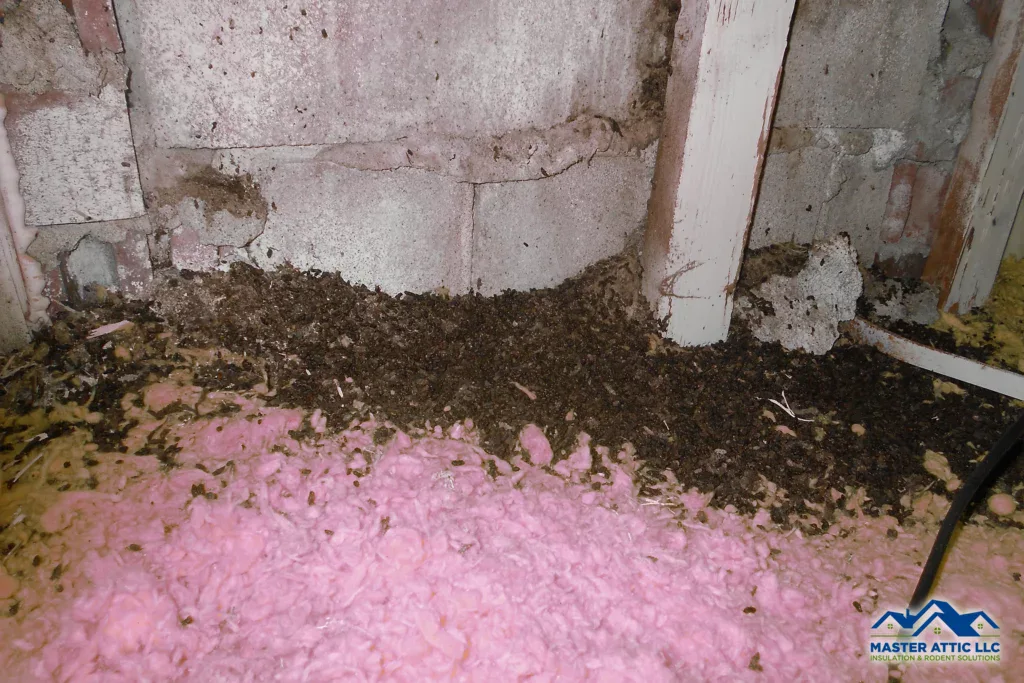
- Bat droppings (guano) near attic vents or walls
- Squeaking or scratching noises, especially at dawn
- Discoloration/staining near entry points
- Strong urine or musty smell inside the home
Don’t wait for the problem to grow. A few bats can turn into dozens quickly.
Why Getting Rid of a Bat Infestation Is Important
If you discover bats living in your attic, immediate action is essential.
Health Risks:
Bats can carry rabies, and their droppings can lead to histoplasmosis, a fungal infection that affects the lungs. Inhaling spores from dried guano can be dangerous, especially for children or those with weakened immune systems.
Note: While hantavirus is more commonly associated with rodents, there has been recent concern after a high-profile case in New Jersey. Though rare, it’s another reason to avoid contact with bat-contaminated areas and have professionals handle cleanup.
Structural Damage:
While bats don’t chew like rodents, they contaminate insulation, cause staining and odor issues, and contribute to long-term air quality problems. Their droppings and urine can degrade wood, wiring, and drywall over time.
Calling a Professional Bat Removal Team
Due to the health risks and potential for serious damage, DIY bat removal is not recommended.
A professional bat removal team will:
- Safely and humanely remove the bats
- Identify and seal all entry points
- Handle sanitization and damage repair
- Ensure your attic stays bat-free
Plus, in many states, bats are protected species, and licensed professionals understand how to handle removal legally and responsibly.
Final Thought
Seeing bats around your roof or attic night after night? It’s likely not random. They may have already made themselves at home.
Recurring bat sightings may be a sign of an attic bat problem.
Contact Master Attic at (800) 285-4009 to schedule quick and thorough bat removal.