
What Does a Squirrel Infestation Look Like?
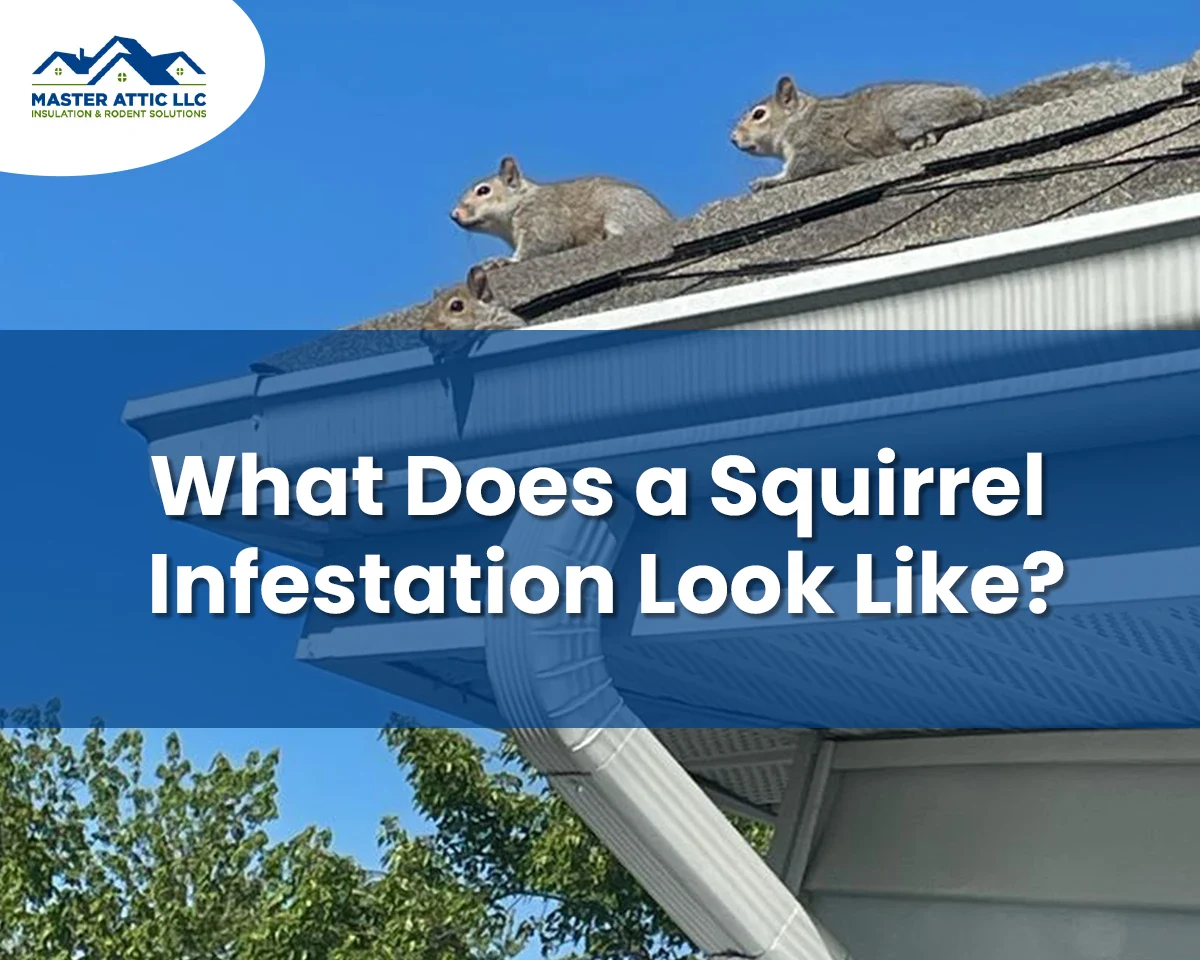
If you are a homeowner or business owner, you know how important it is to keep your property in good working order. You check your maintenance systems regularly, you clean your work and customer spaces, and you stay on top of routine upkeep so your place stays clean and safe for everyone under your roof.
However, it can be easy to overlook certain areas of your property that don’t experience regular traffic or attention on a typical day. When was the last time you were up in your attic space looking around? Attics are notorious for being the spaces where homeowners and business owners go to dump old memorabilia, forgotten clothes, and holiday decorations, and they are one of the spaces that are used less often than the rest of your property.
Because of that, your attic is at a higher risk of experiencing things like pest infestations and water damage. Catching these issues early can help you avoid serious damage and lasting consequences, especially when it comes to pest problems like squirrels.
But, what does a squirrel infestation look like and what do you do about it after you discover the problem? Let’s break down the details below.
Why Are Squirrel Infestations Bad?
You might be wondering why having a squirrel in your attic is such a bad thing. After all, they haven’t made their way into your living spaces yet, so why bother with removing them? Squirrels are wild animals, which means that they come with multiple cautions and considerations.
Physical Home Damage Caused By Squirrels
To start, squirrels are destructive and will use any means necessary to get into your home. They will gnaw holes in your siding, will widen gaps in your roof line, and will crawl up into your air ducts or down your chimney to get into the safety of your house.
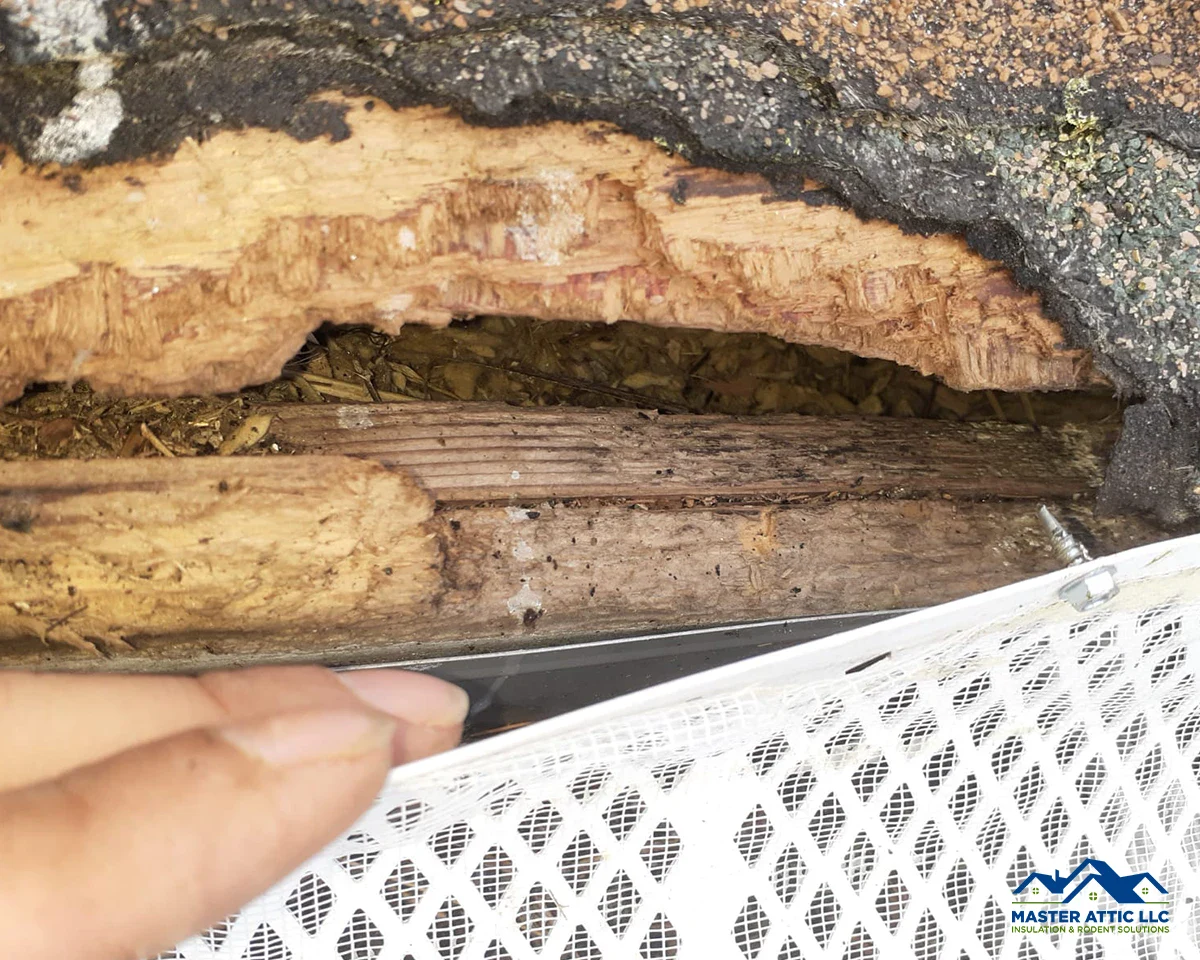
Once inside your home, the squirrels will settle into your attic and will continue to cause damage as the family grows and lives their daily lives. They will tear insulation apart to make their nests and leave urine and droppings everywhere. In addition, they can also chew through wires and will gnaw on your structural supports. The belongings you have stored up there also risk being chewed apart.
Health Concerns Caused By Squirrels
Squirrels are also considered a threat to the health and safety of your family. The longer they are living in your attic space, the greater the chance that their presence will diminish your indoor air quality.
Squirrel droppings and urine will start to build up in the corners of your attic, and that stench will make its way into your living spaces. In addition to stinky odors, the more vulnerable members of your family, like children or older adults, may start to experience heightened allergy symptoms and respiratory problems.
Squirrels can also pass on illnesses through direct or indirect contact. They are known to carry ringworm, leptospirosis, and even rabies, and they can also host a variety of parasites like fleas and ticks. All of these health hazards can be passed to your family and some can even be life threatening.
Spotting the Signs of a Squirrel Infestation
So, what does a squirrel infestation look like and what are the signs that a pest is living in your attic space? To start, squirrels will make noise as they move about their days, so you will most likely hear them before you see them.
If you have a squirrel infestation, you will hear sounds like:
- Scurrying feet
- Scratching in the ceiling or walls
- Chirping or squeaking
- Thumping
These sounds will develop into some sort of pattern throughout the day as the squirrels come and go, so start paying attention to them if you notice sounds coming from your attic.
Of course, visual sightings will be a clear indication that you are dealing with a squirrel infestation. Squirrels themselves are relatively easy to spot, and their nests will also be a clear giveaway. Squirrel nests tend to be large, messy, ball-like structures that are made of leaves, twigs, and household materials woven together. The interior of the nest will be lined with soft materials like moss or insulation.
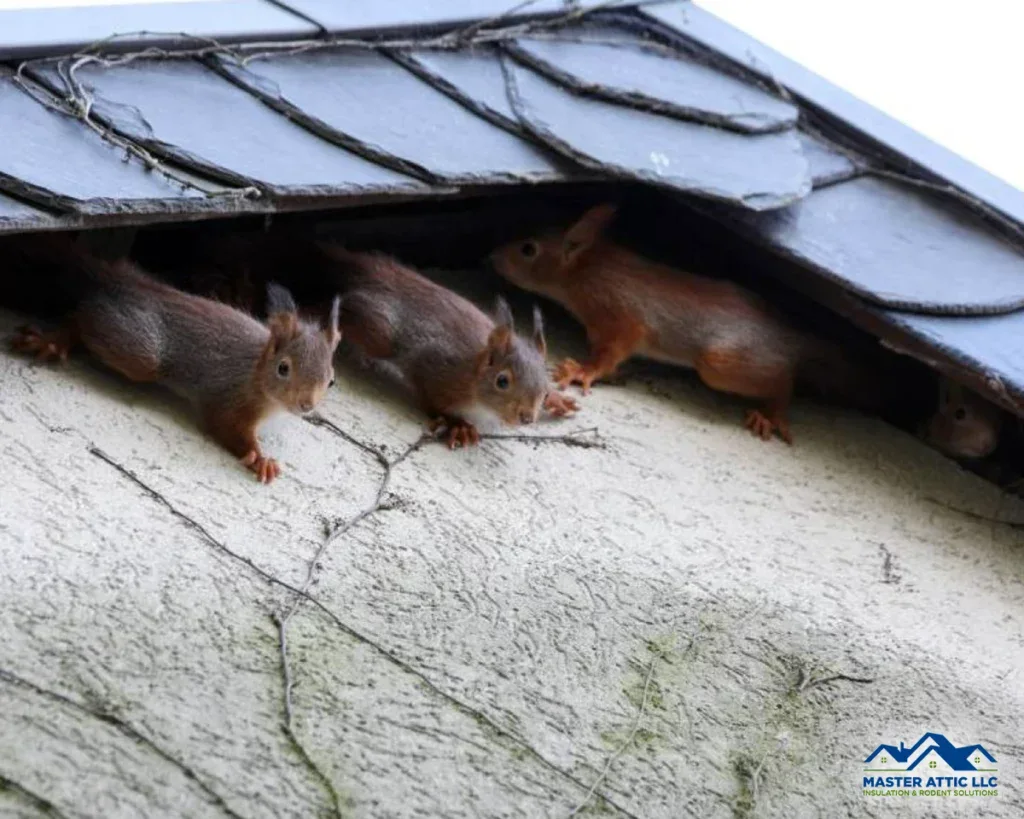
Whether you see the squirrels themselves or identify a nest or two in your attic, it is important to take care of the problem as soon as possible. The longer you wait, the larger and more destructive the scurry, which is what a group of squirrels is called, will become. The bigger the damage, the more extensive the repair!
How Do You Remove Squirrels From Your Attic?
The best thing to do after discovering a squirrel infestation is to keep your attic locked up tight and then call a professional squirrel removal team to handle the extraction. As mentioned earlier, squirrels can carry disease and parasites, so interacting with them without the proper safety gear and training can quickly become a safety hazard.
In addition, tackling an infestation on your own could very well end with the squirrels coming right back a few days or weeks later. The right team with the right training will know what to do to keep them out for good.
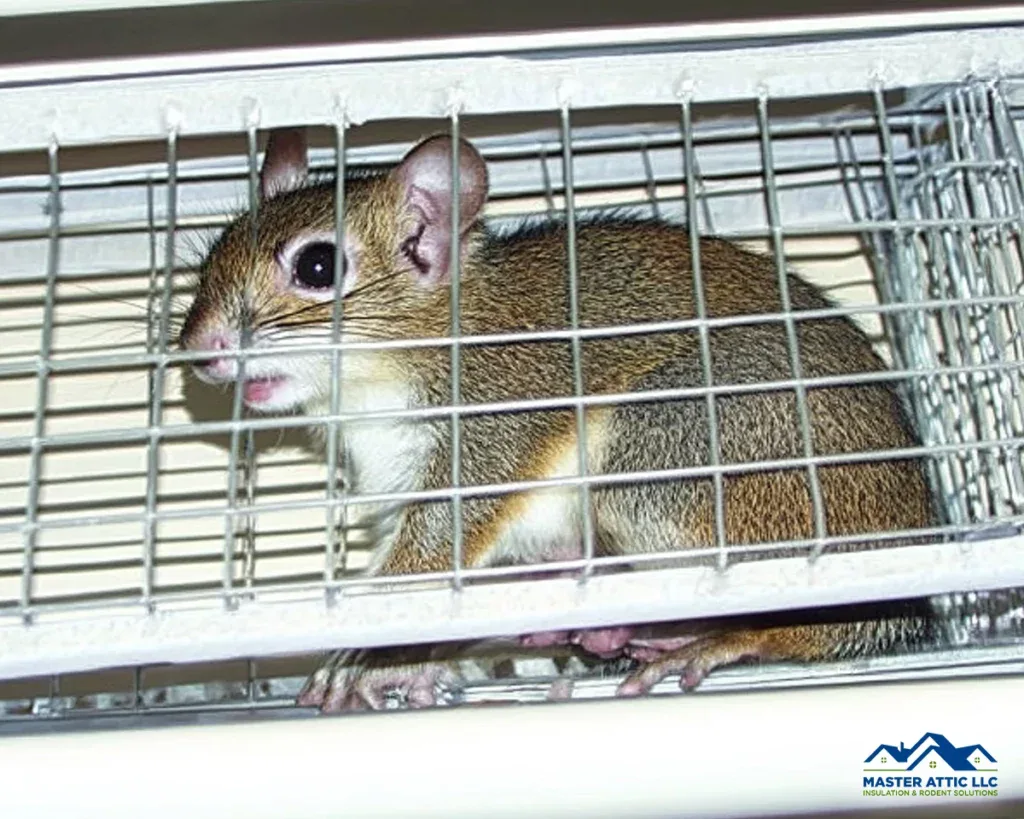
Once you schedule your squirrel infestation removal, a team will arrive at your home to evaluate your space. Any squirrels in the attic will be humanely removed via live traps or one-way doors, and they will be released back into the wild in a safe location.
After that, your attic space will be cleaned and sanitized to remove the nest and any residual droppings or refuse. The entry point(s) will also be identified and sealed up to prevent the squirrels from coming back. This entire process ensures that your home is safe, clean and free from squirrels for good.
Let us help you overcome a squirrel infestation today. Call the team at Master Attic at (800) 285-4009 for a quick and efficient squirrel removal.