
Is It Bad To Have Moisture in a Crawl Space?
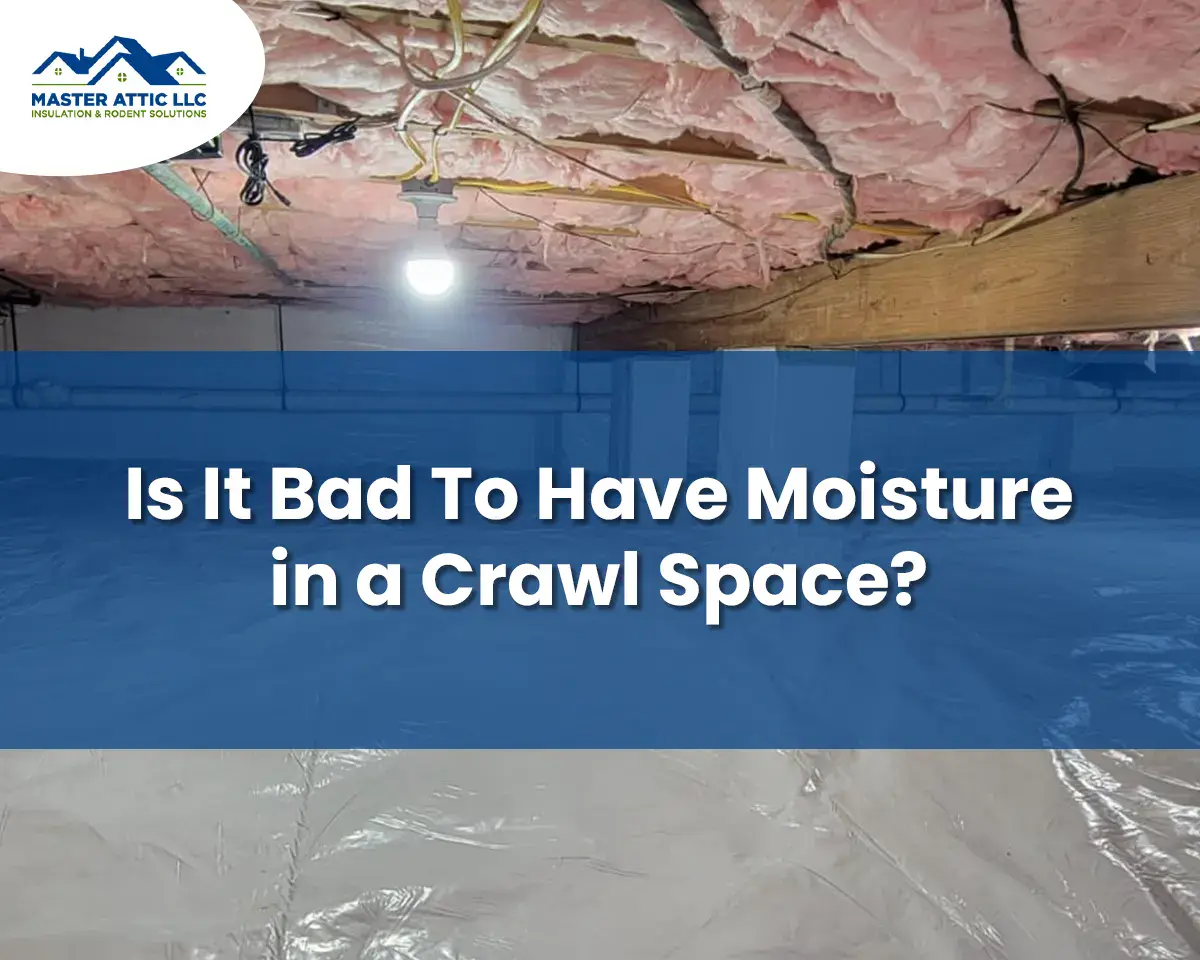
If you have a crawl space under your home, chances are you don’t think about it on a daily basis. After all, it’s out of sight, so it is probably out of mind! However, your crawl space actually holds an important job for your entire home, so it is important to know what is going on underneath your floor. Draft issues, pest infestations and moisture troubles can pose serious issues for your entire house.
Let’s explore more about crawl spaces and how to tell if you are dealing with a moisture issue below.
What Is a Crawl Space?
A crawl space is a narrow open space between the first floor of a home and the ground. Crawl spaces typically only have 1-3 feet of clearance, but can sometimes be large enough for someone to crouch or walk around in.
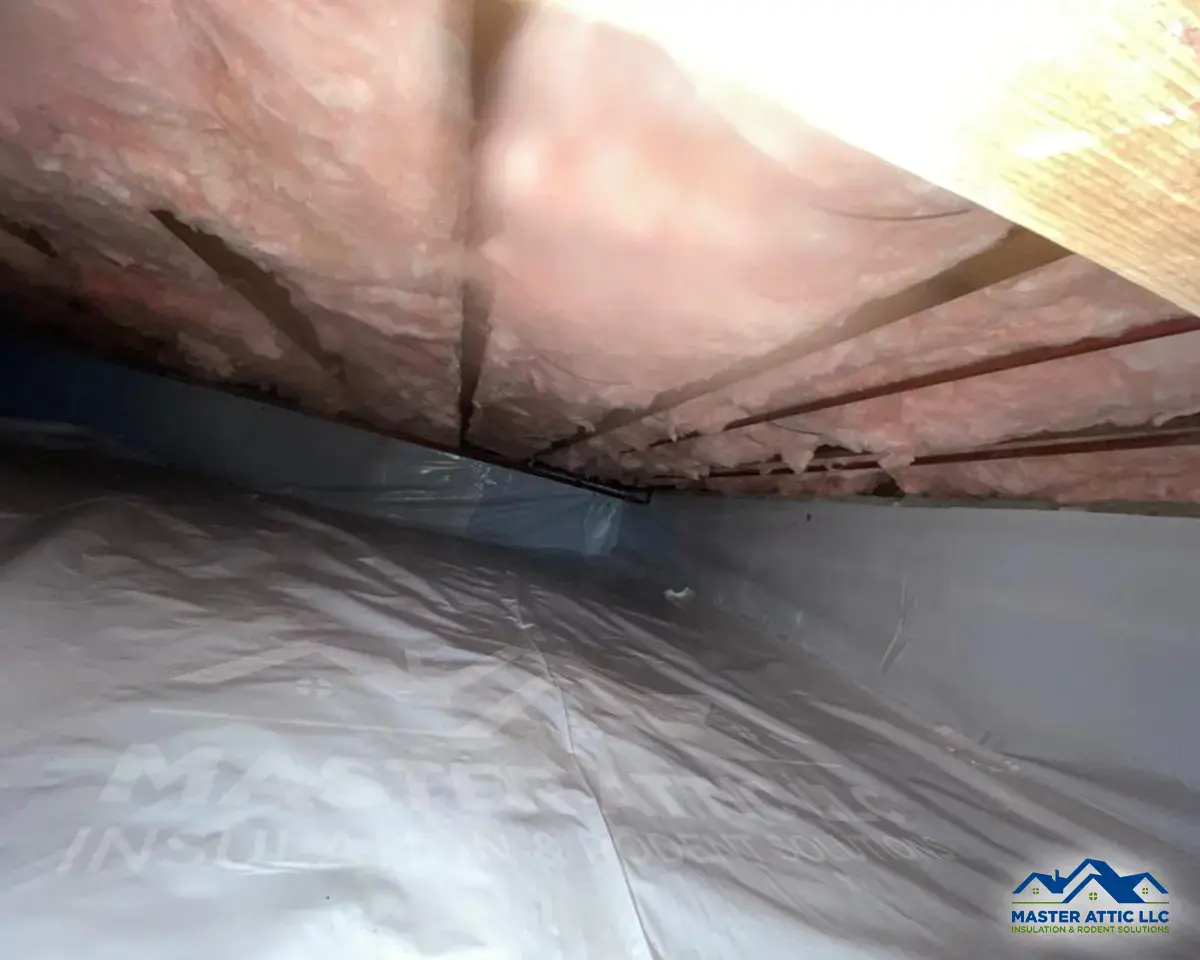
Around 15% of homes have crawl spaces, so you certainly aren’t alone if you have this small area under your floorboards. Crawl spaces act as a buffer between the main floor of your home and the ground. This buffer zone helps control moisture levels as well as providing ventilation and structural support for the rest of the home.
Utilities like plumbing, electrical wires and HVAC systems also often run through these areas. Because of this, using your crawl space for storage is often not possible or recommended like it is with a typical basement space.
Crawl Space and Moisture Control
Just like any part of your home, your crawl space is designed to fit your home’s unique needs. Many crawl spaces are vented to the outside, which helps control moisture and air quality throughout the living spaces. Vented crawl spaces are typically designed for moderate climates with low humidity levels.
Crawl spaces can also be sealed, insulated or fully encapsulated with a durable liner. This is done in areas with high humidity or widely fluctuating temperatures. Encapsulating your crawl space helps support better moisture control as well as temperature control throughout your home.
Think about it—if your crawl space is not insulated, the cold or hot air from the outside will be able to easily flow through this space, which will impact the rest of your home and result in uncomfortable temperatures.
Encapsulating and insulating your crawl space also helps support the lifespan of your floors and subfloors. If unconditioned air can’t infiltrate your home as easily, your floors will avoid exposure to extreme temperatures and moisture.
How Moisture Gets Into Crawl Spaces
While crawl spaces can help control moisture issues in your home, they can also contribute to them due to unexpected situations and extreme weather conditions.
Groundwater
During a particularly rainy season, the soil beneath and around your home can become overwhelmed, which can lead to a backup of moisture into your crawl space. In addition, an improperly graded home can lead to pooling water around your crawl space and foundation.
Pipe Leaks
If you have utilities running through your crawl space, even the smallest leak or crack in a water pipe can lead to lingering or stagnant moisture.
Humid Outdoor Air
If your crawl space is vented to the outside, hot and humid air can get into this narrow space and can lead to condensation and lingering moisture.
Signs of a Moisture Problem in a Crawl Space
Excess moisture in any part of your home is never a good thing. Over time, it can lead to structural degradation as well as dangerous mold infestations. The faster you can identify a potential moisture issue, the better chance you have of avoiding serious repairs and restoration needs.
Watch for these signs that indicate a potential wet crawl space:
- Musty odors
- High or fluctuating humidity levels in your home
- Pest infestations
- Unexpectedly high energy bills
- Sagging or rotting floors
The Dangers of Mold
Mold is more than just unsightly. Once a few spores are present in your crawl space, it can grow into an entire infestation in just a few days. As it grows, it can release airborne spores that can lead to respiratory symptoms that can be particularly problematic for anyone in your home who has asthma or allergies.
Certain kinds of mold are also toxic, so it is important to take action as soon as you discover an infestation.
How To Prevent Moisture in Crawl Spaces
It’s one thing to know that excess moisture doesn’t belong in crawl spaces, but it takes work to prevent it from happening!
Start by addressing your plumbing system. Leaks should be repaired right away and be sure your drainage methods aren’t clogged and are working properly.
You can also install a water vapor barrier. Covering your crawl space floor with a vapor barrier helps prevent moisture from accessing your floor joists and your insulation.
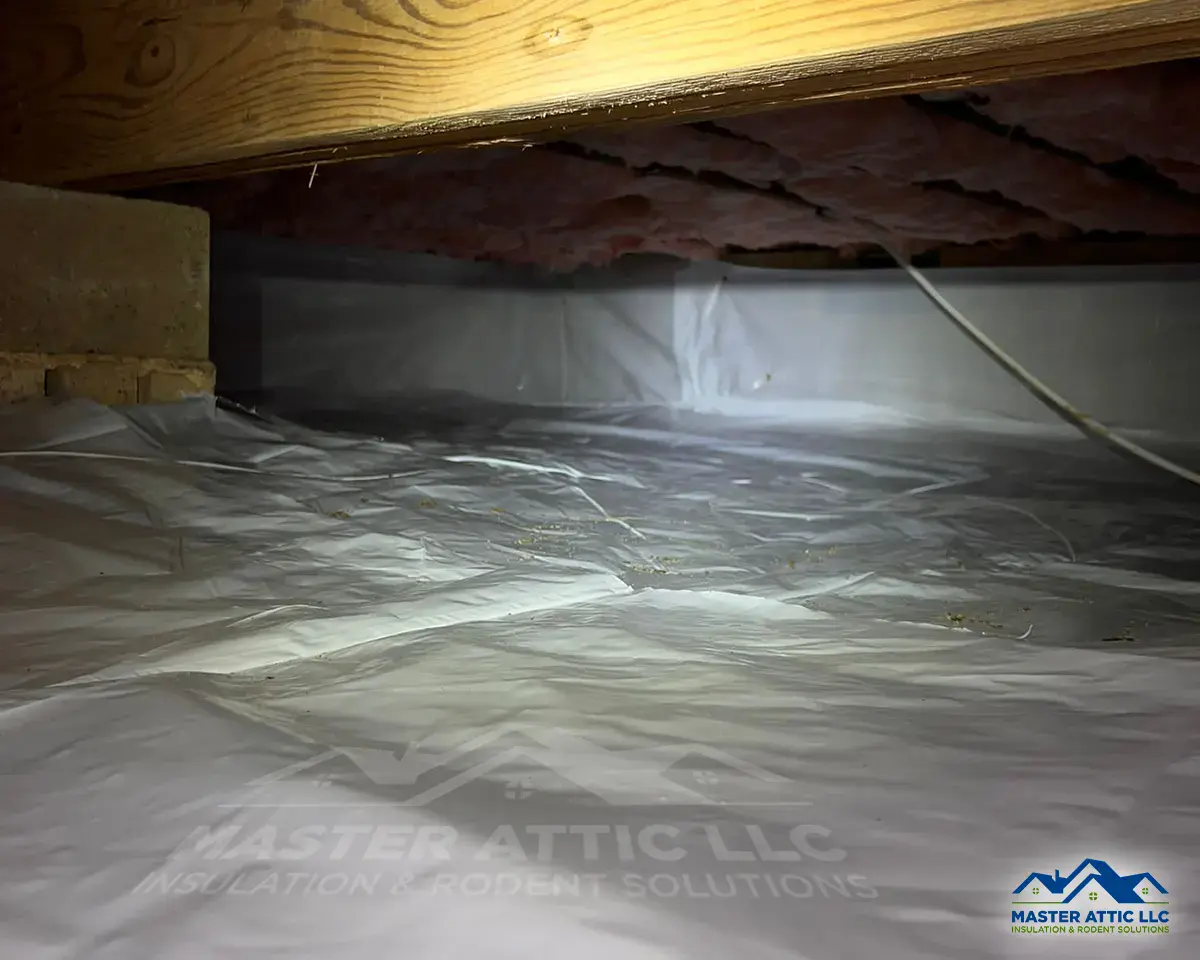
In addition to these methods, you should be sure that your crawl space is properly insulated. New insulation helps protect against moisture and humid air from accessing your crawl space entirely.
Benefits of Crawl Space Insulation
Your entire home benefits greatly from proper insulation. More reliable temperatures, lower humidity issues, and an increased energy efficiency are all benefits of professionally installed insulation.
Your crawl space is no different! Adding the right insulation in the right areas of your crawl space supports your home from top to bottom. These benefits include:
- Mold Prevention
- More consistent temperatures in your home and in your floors
- Reduced energy consumption, which leads to lower energy bills
- An increased market value for your home.
Your home protects your family, so it is important that you help support your home however you can. Adding insulation to your crawl space protects your investment, reducing the risk of serious moisture issues while also protecting your home’s structure.
Are you ready to insulate your crawl space? Rely on the talented team at Master Attic to evaluate your space and to add the right insulation for your home’s needs. Call us today at (800) 285-4009 to chat with one of our insulation professionals.