
How Can You Tell What Animal Is in Your Attic?
Hearing strange noises overhead and wondering what’s lurking in your attic? Identifying the animal is the first step to solving the problem. Common culprits include squirrels, bats, mice, and raccoons, each leaving distinct clues. In this guide, we’ll walk you through the signs to look for and how these pests get in so you can figure out what’s up there. For expert removal, trustMaster Attic to handle the job safely and effectively.
Common Attic Animals and Their Signs
The most frequent attic invaders are squirrels, bats, mice, and raccoons. Here’s how to spot each one based on the evidence they leave behind.
Signs of Squirrels in the Attic
Squirrels are daytime dwellers that love cozy attic spaces.
- Sounds: Scratching or scurrying noises, especially in the morning or evening.
- Damage: Chewed wires, insulation, or entry points like vents or shingles.
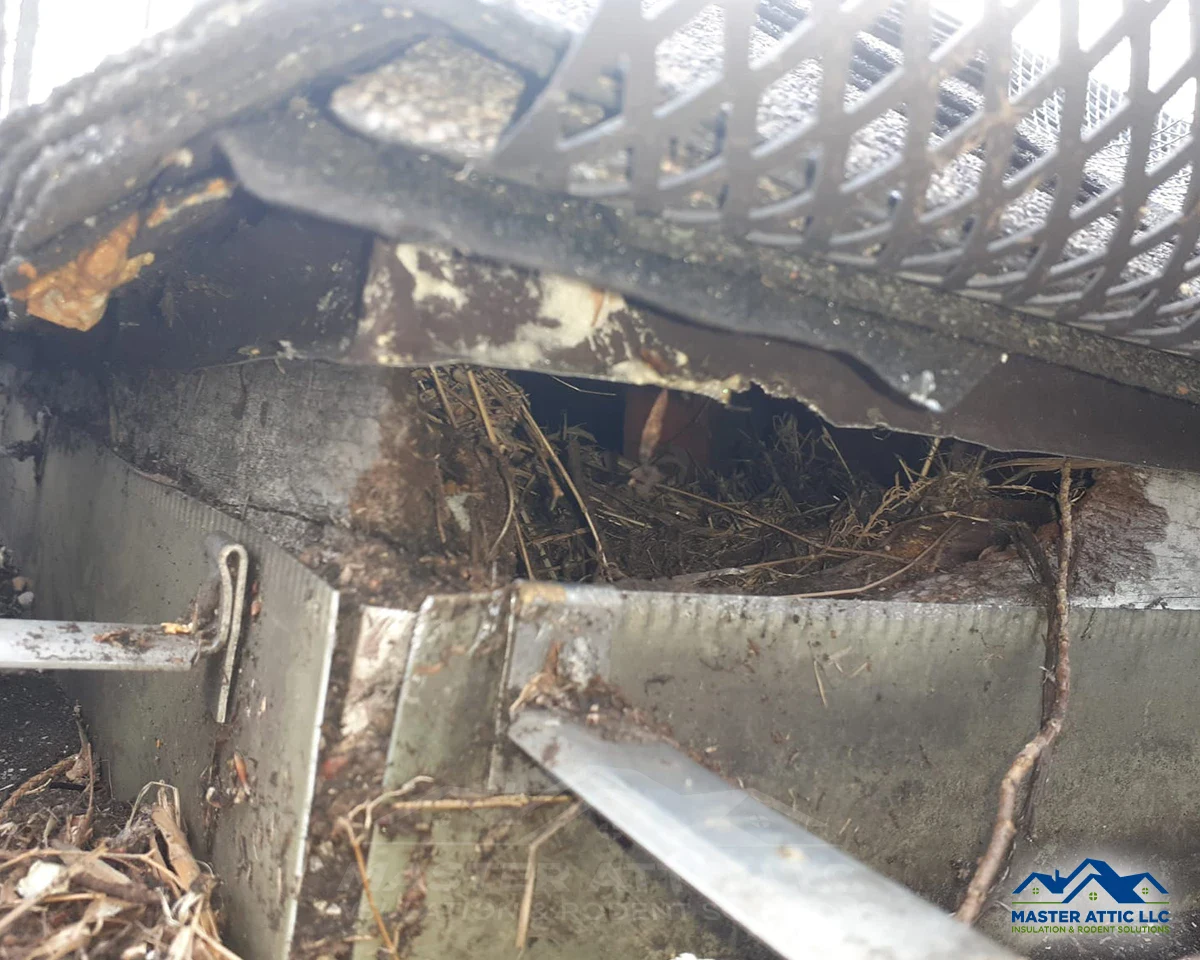
- Nesting: Piles of leaves, twigs, or shredded insulation used for nests.
How Squirrels Get In
Squirrels slip through openings as small as 1.5 inches, often via damaged roof vents, loose shingles, or gaps in soffits. Their agility helps them climb trees or power lines to reach your roof, as noted by theNational Wildlife Federation.
Signs of Bats in the Attic
Bats are sneaky, nocturnal visitors that can squeeze into tiny spaces.
- Droppings: Guano (bat droppings) near entry points, often with a shiny, crumbly texture.
- Sounds: Squeaking or fluttering noises at dusk or dawn.
- Stains: Greasy marks or oil stains on walls or ceilings from their fur.
How Bats Get In
Bats enter through gaps as small as ¼ inch, favoring uncapped chimneys, broken roof tiles, or cracks in flashing. TheBat Conservation International highlights their knack for finding tight, sheltered spots.
Signs of Mice in the Attic
Mice are small but persistent, leaving subtle but widespread signs.
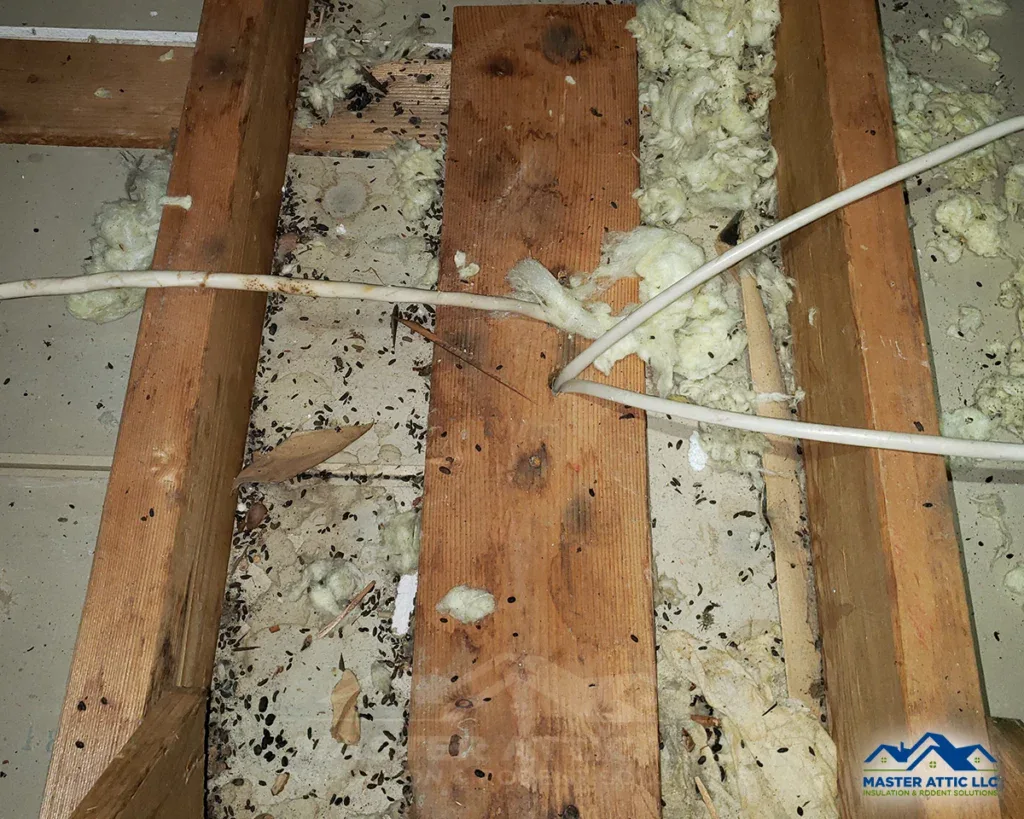
- Droppings: Tiny, rice-like pellets scattered around.
- Damage: Gnaw marks on wires, boxes, or insulation.
- Sounds: Light scurrying or scratching, mostly at night.
How Mice Get In
Mice sneak through holes as tiny as ¼ inch, often entering via foundation cracks, pipe gaps, or damaged vents. TheEnvironmental Protection Agency (EPA) warns that even the smallest of openings can let them in.
Signs of Raccoons in the Attic
Raccoons are big, bold, and messy attic guests.
- Sounds: Heavy footsteps, thumping, or growling at night.
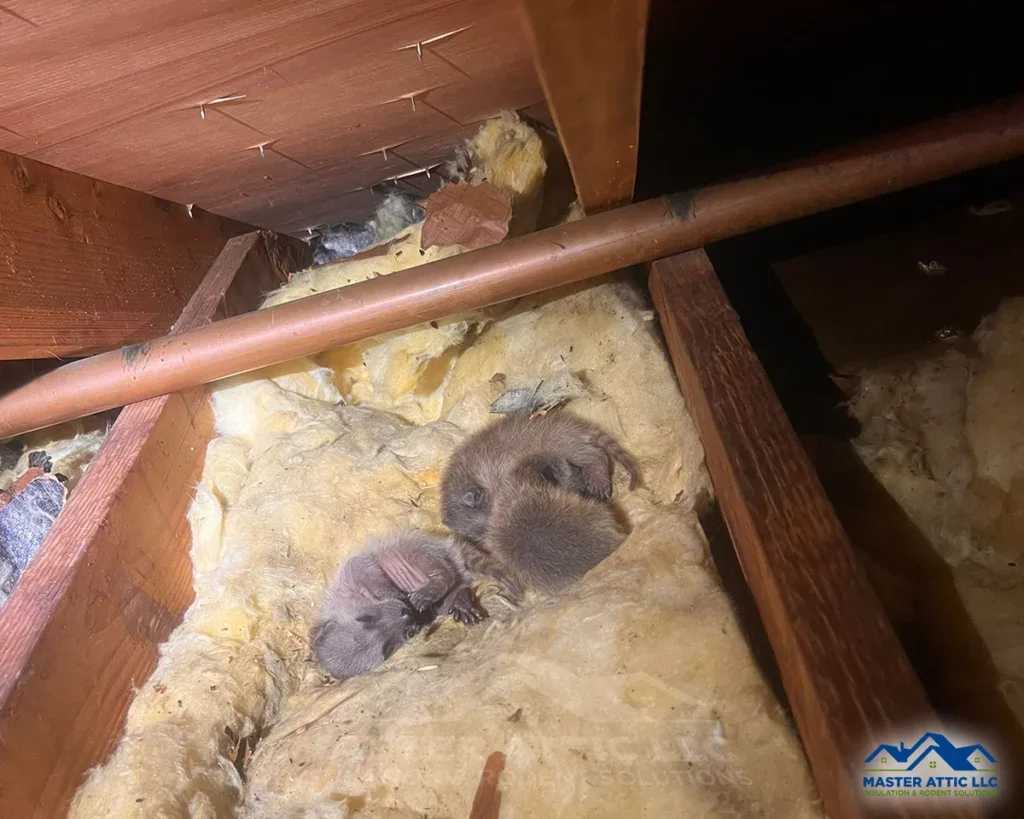
- Damage: Torn insulation, ductwork, or even roofing materials.
- Droppings: Large, piled droppings similar to a small dog’s.
How Raccoons Get In
Raccoons use brute force to rip through weak spots like loose shingles, vents, or soffits. TheHumane Society recommends reinforcing these areas to keep them out.
Why Identification Matters
Knowing what animal is in your attic helps you address the issue properly. Each pest causes unique damage and poses different risks, such as chewed wires sparking fires or droppings spreading disease. TheCenters for Disease Control and Prevention (CDC) notes that bats and raccoons can carry rabies, making professional removal critical.
Factors Influencing Identification and Removal
The following table summarizes key factors affecting pest identification and removal:
| Factor | Impact on Identification | Impact on Removal |
|---|---|---|
| Auditory Clues | Helps distinguish nocturnal (bats) vs. diurnal (squirrels) | Noise levels may indicate infestation size, affecting tools needed |
| Visual Signs | Droppings, nests, and stains aid in species identification | Determines cleaning and repair extent post-removal |
| Health Risks | Diseases like rabies or Hantavirus necessitate urgency | Requires professional gear and sanitization for safety |
| Structural Damage | Gnawed supports or chewed wires indicate rodents | May require repairs alongside removal, increasing costs |
| Professional Intervention | Experts improve accuracy with tools like cameras | Ensures humane, effective removal and long-term prevention |
Next Steps: Call the Experts
Once you’ve identified the animal, don’t tackle it alone. DIY removal can be risky and ineffective.Master Attic’s Pest Removal Services offer:
- Safe, humane extraction
- Cleanup droppings and nests
- Sealing entry points to stop future invasions
Ready to reclaim your attic? Call (800) 285-4009 or visitMaster Attic’s Contact Us page today!