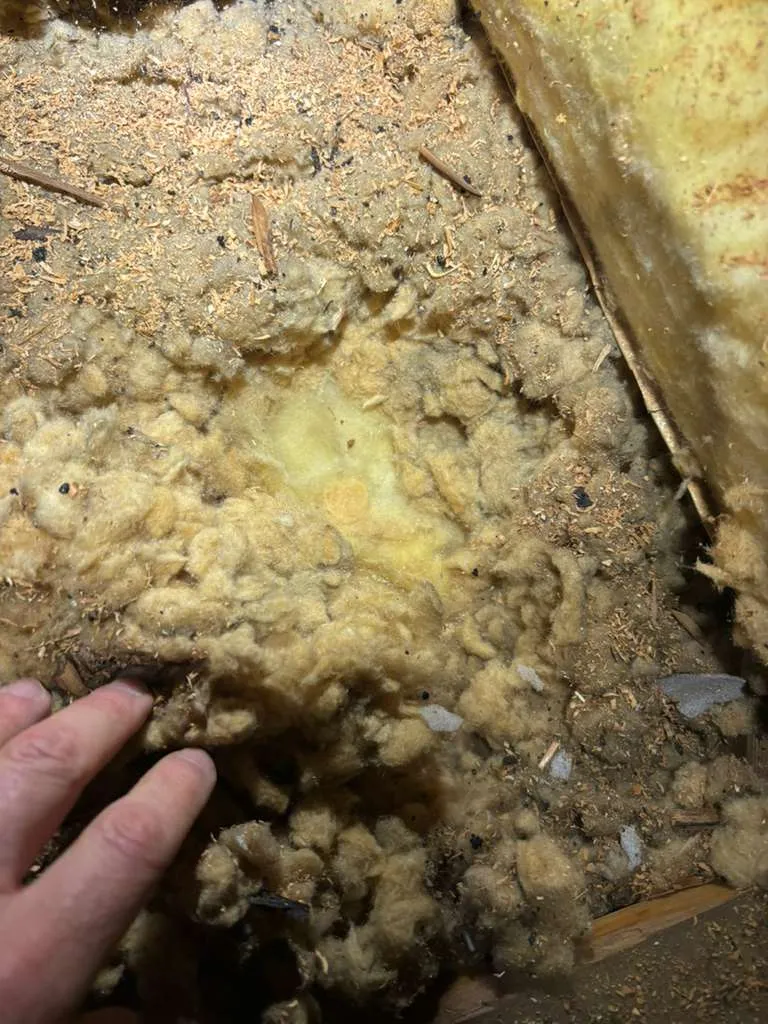
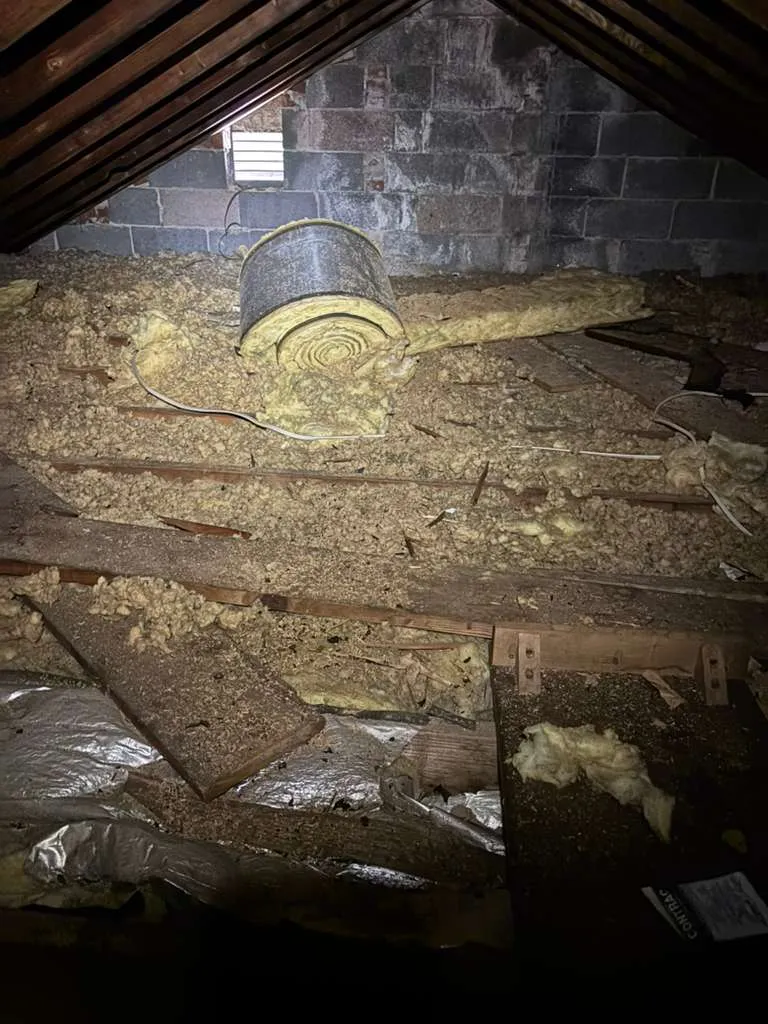
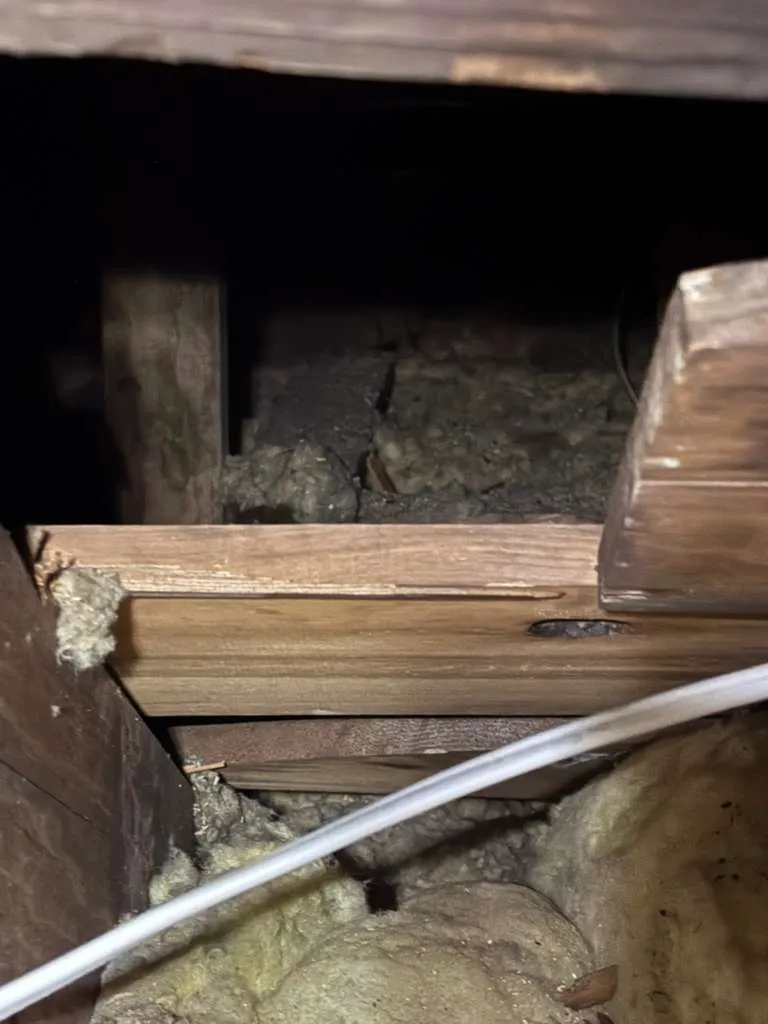
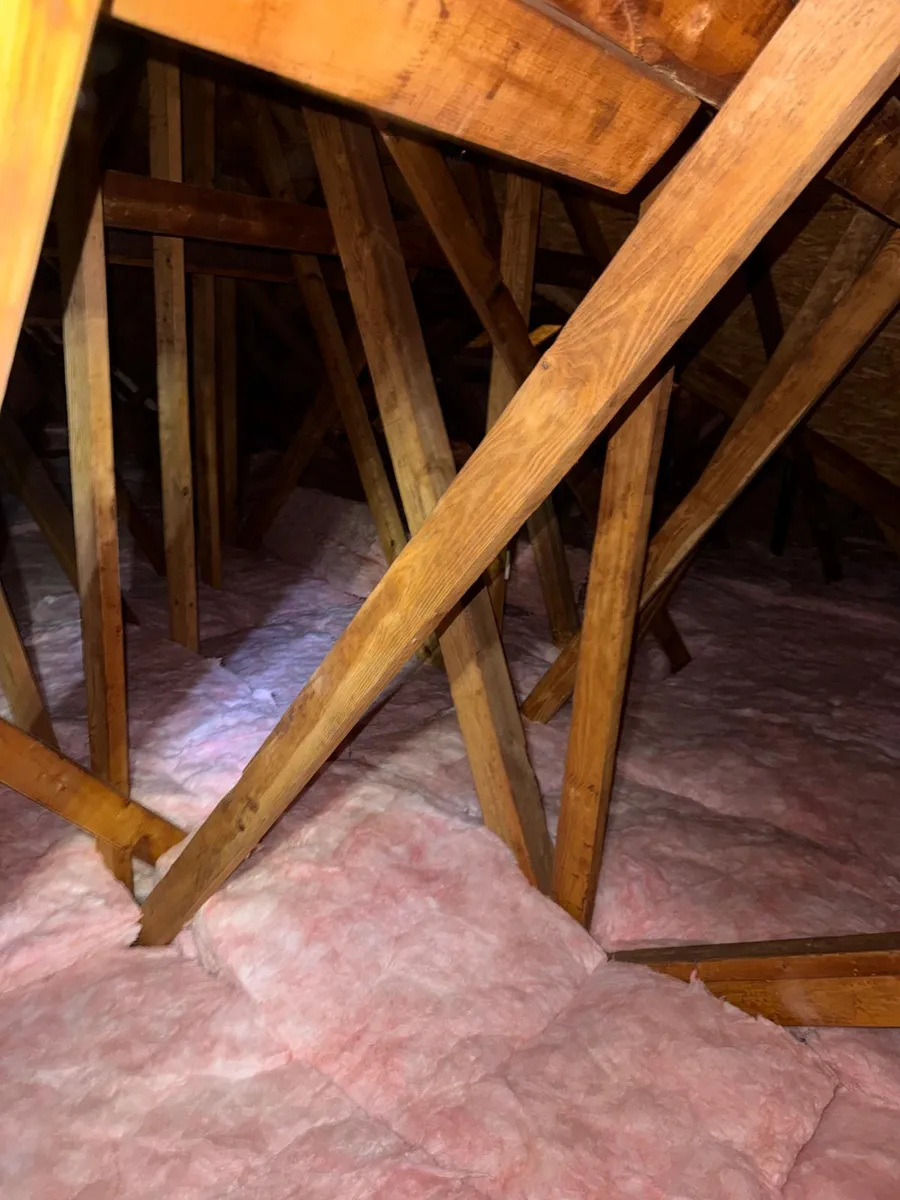
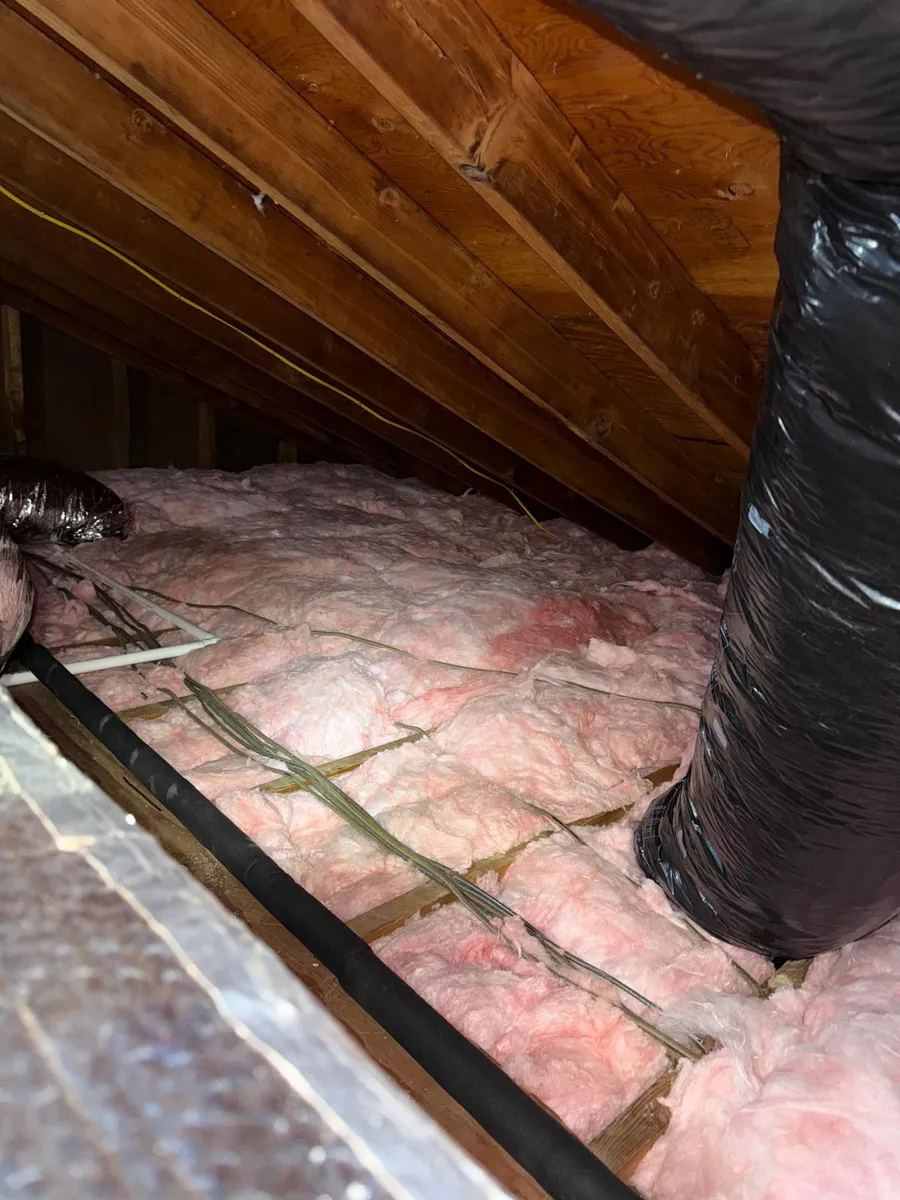
Master Attic finds and seals the openings rodents use to reach an attic or crawl space, removes what they left behind, and sanitizes the space afterward, across Carteret, New Jersey, in the century-old two-family houses that make up most of the borough and in the newest construction along its waterfront alike. Free estimates anywhere in Middlesex County.
Two things make Carteret different from most Middlesex County towns when it comes to rodents: a roofline nearing a century old on the borough's tightly packed two-families and capes, and a waterfront industrial corridor with marsh on both sides of it. Most towns only have to worry about the roof. Here, a squirrel testing a loose soffit board above and a rat working a gap at the foundation below are both live possibilities on the same house.
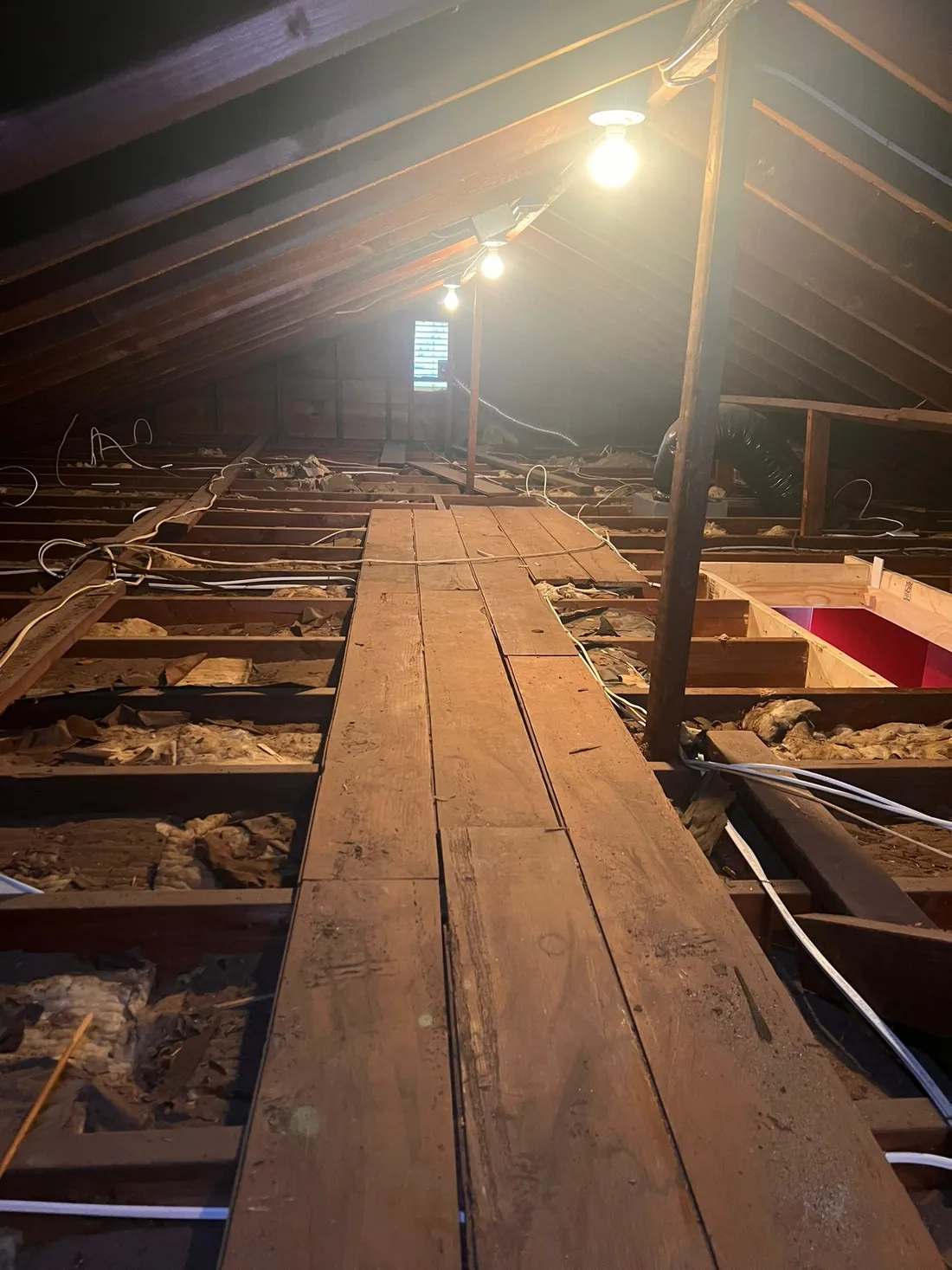
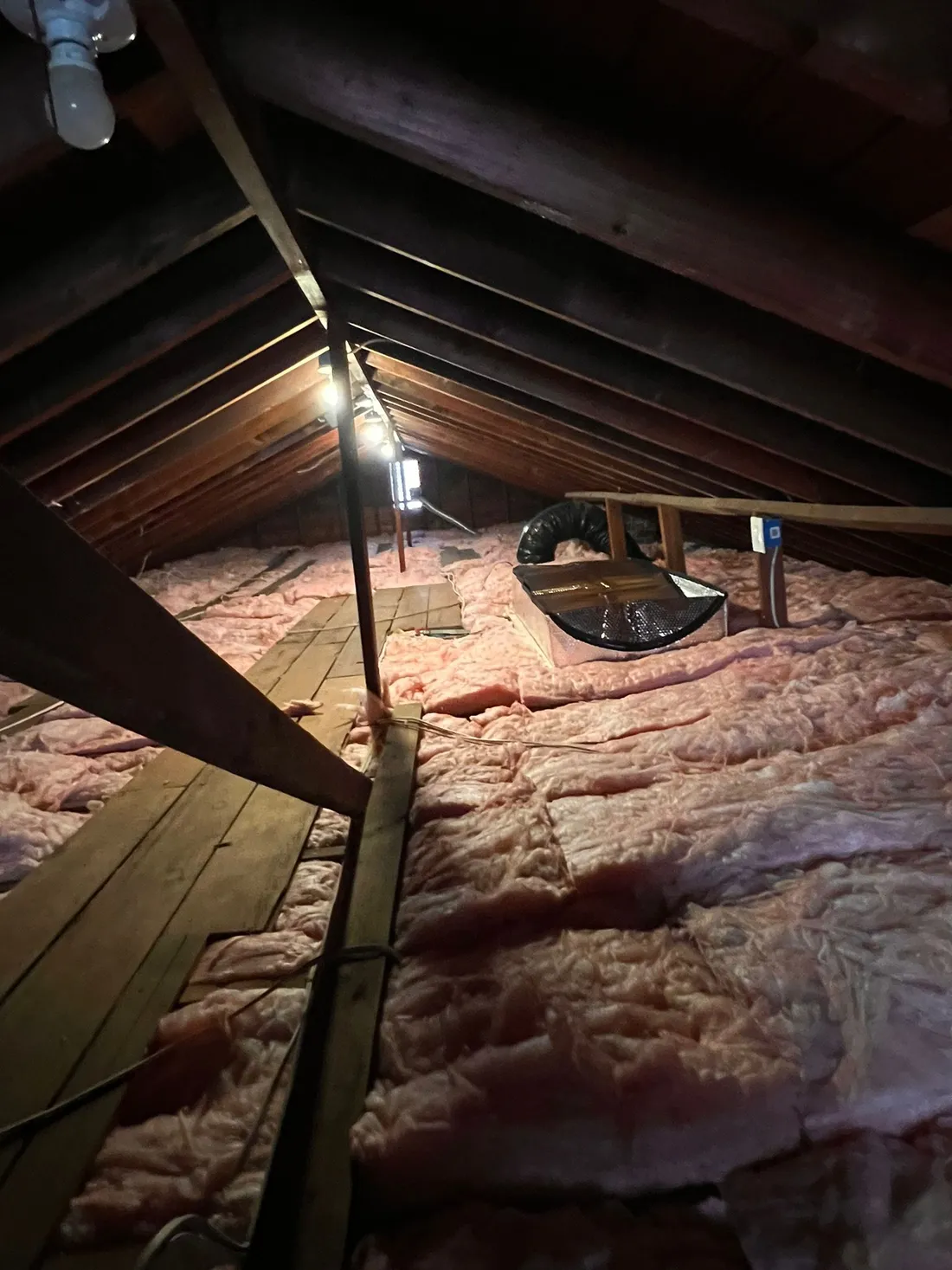
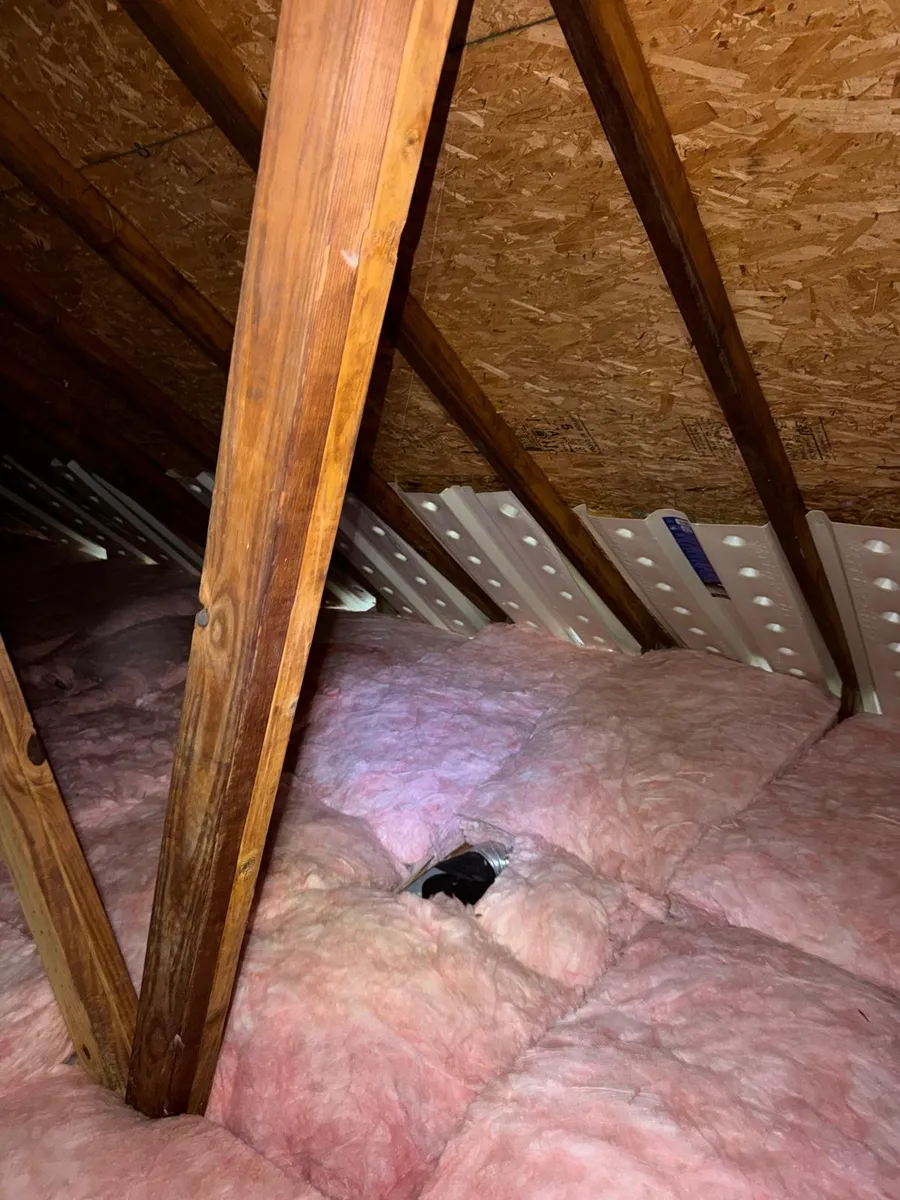
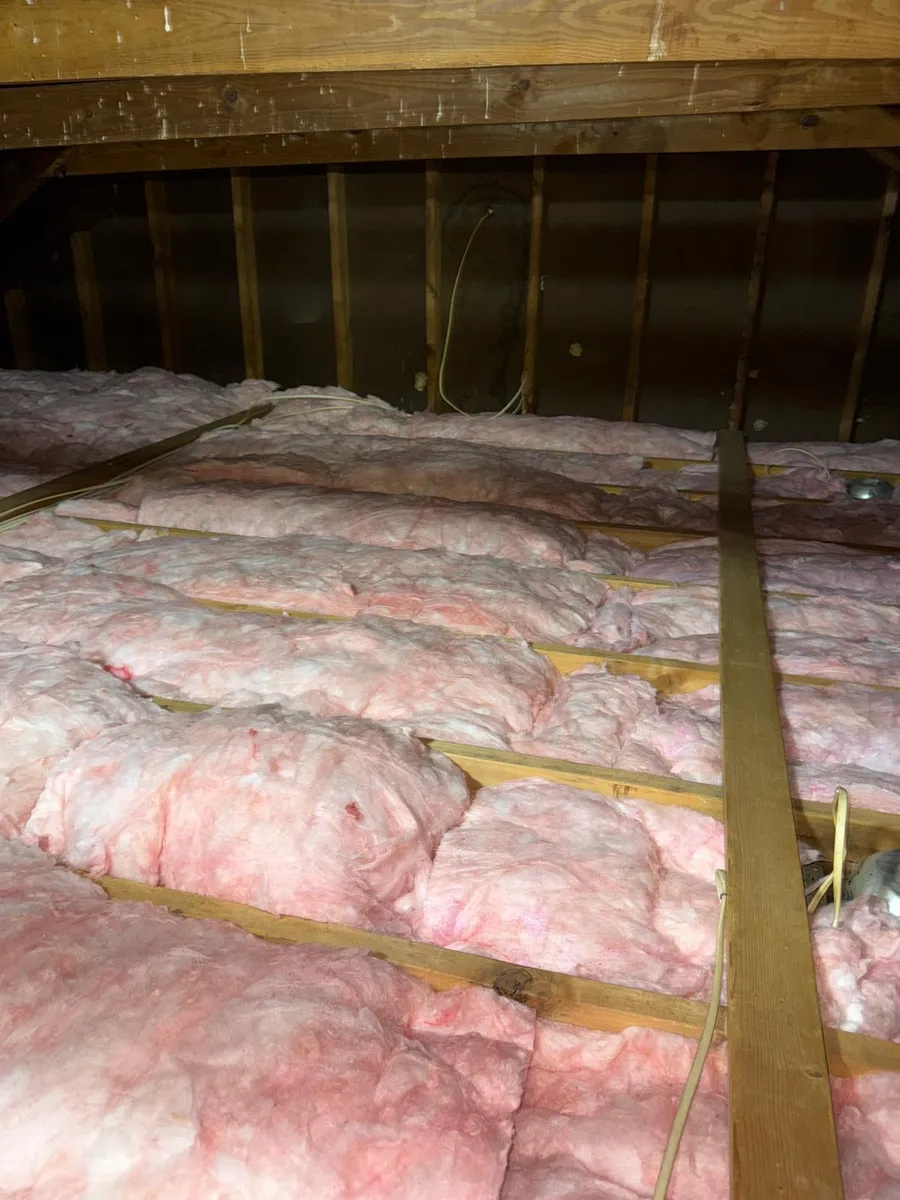
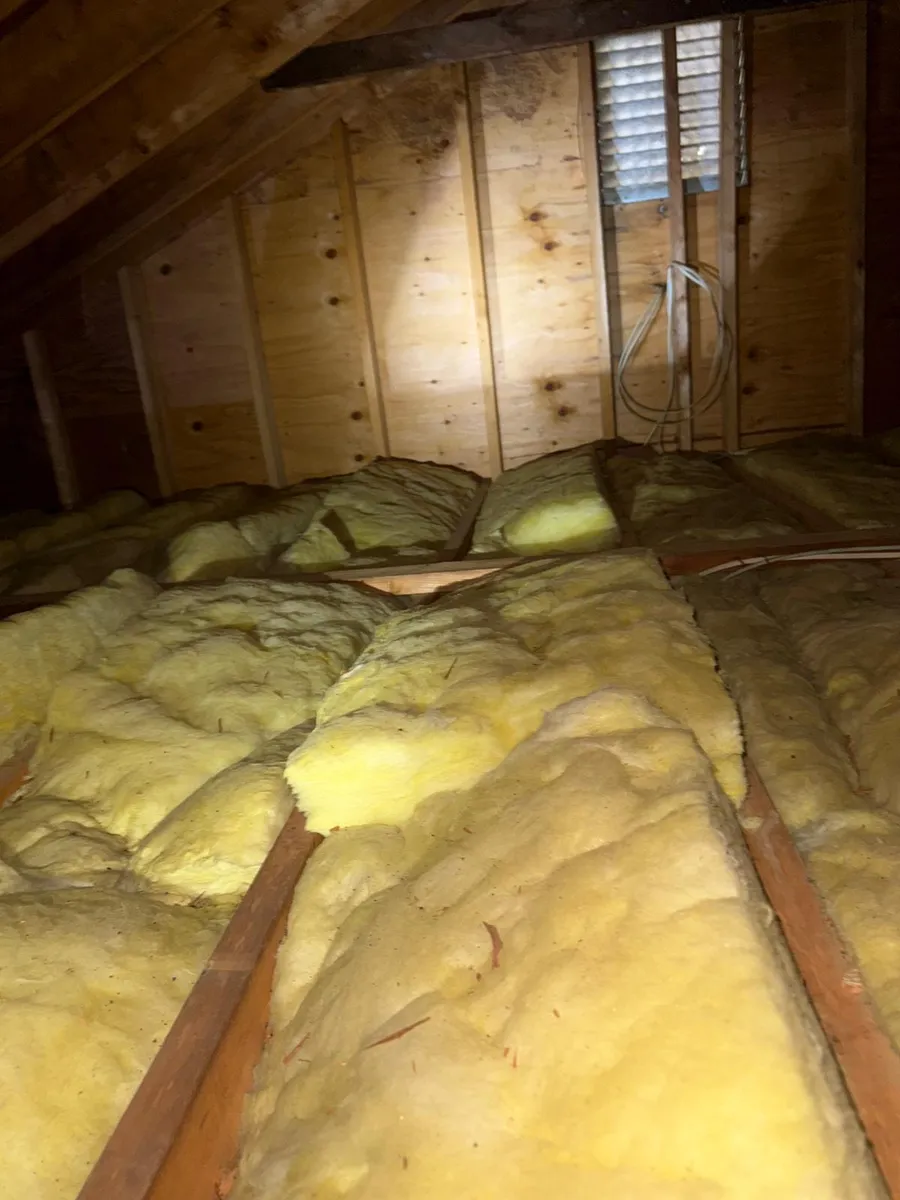
Master Attic checks both levels, not just the roofline people usually think of first. Wherever the opening turns out to be, a worn soffit corner above or a gap around a sill plate below, the fix is exclusion: any animal still inside is removed using humane methods, and the opening is closed with material built to hold rather than a quick patch. Insulation the animals nested in, in the attic or under a crawl space floor, comes out, and the space is sanitized before anything new goes back in.
Crawl space entry points look different from roofline ones. Foundation vents, a loose crawl door, and the block or fieldstone foundations common under Carteret's older two-families all sit low enough for a mouse or rat to use, especially where that foundation was never built to keep water out either. A free inspection covers the roofline and the foundation together, and the estimate that follows reflects what we actually find at your address.
What Rodent Proofing in Carteret Includes
The related jobs that show up most often once exclusion work starts on a Carteret attic or crawl space, every one of them quoted after a no-cost inspection.
Two entry levels, roofline above and foundation below, explain most of what we find on a Carteret rodent call.
Foundations, not roofs, are usually the first point of contact here. Rats working the industrial waterfront and the low, marshy sections toward Chrome find a sill plate gap on an older two-family long before they'd ever climb to a roofline the way they might in a more inland town.
A soffit board holds tight for decades, not forever. Carteret's two-family and cape building boom ran roughly from the 1920s into the 1950s, so a lot of that original trim has had ample time to work loose at the seams, and a loose seam is what a squirrel or raccoon actually needs.
Call volume tracks the thermometer more than anything else. A hard freeze across Middlesex County sends squirrels and raccoons looking for the warmest spot nearby, and a poorly sealed Carteret attic, warmed from below by ordinary household heat loss, is often exactly that.
A crawl space under one of Carteret's older two-family additions, with a loose door or a torn vent screen, is exactly the low, sheltered spot mice and other small animals look for once the ground outside turns cold or wet.
Our 4-Step Process
1InspectWe evaluate your attic or crawl space and find the real issues.
2RecommendYou get clear solutions and a detailed, honest estimate.
3InstallOur in-house crew gets the job done right the first time.
4GuaranteeWe stand behind our work and help keep your home protected.
Real Results. Healthier Homes.
Better insulation. Sealed gaps. Cleaner air. Lower bills.
Master Attic did a phenomenal job with our attic insulation and duct replacement. We had a loss from smoke damage from a neighboring fire and we were met with compassion and excellent customer service from Danny Jones and Jorge Diaz. We chose them for their quality of work, expertise and fair pricing and they got the job done promptly. Thank you for the excellent work and we will be recommending you highly!
Iris ZJune 1, 2026
★★★★★Rated 5 out of 5
We just had our attic insulation replaced, and the entire experience was pleasant from start to finish. Robert is knowledgeable, honest and easy to work with at the initial estimate period. Roberta and his crew did a great job replacing the attic insulation for our house. They were very professional, efficient and respectful. They did everything that needed to be done and left the space clean and in excellent condition. I am very happy that I chose Master Attic and would highly recommend them.
James McAleerMay 29, 2026
★★★★★Rated 5 out of 5
Dan Jones and the Ronald crew did a great job from start to finish! I had original insulation in my attic with no electricity, not an easy job. Our upstairs was very hot in the summer and cold in winter. With having central air, we still needed AC units and space heaters to manage. Dan set up a great plan to eliminate that. He and his crew were able to come and finish the job shortly after we first met. They were quick, clean and managed to crawl into small spaces to remove old insulation and install fresh insulation. We have already noticed a major difference! Highly recommended!!
Mary HowardMay 24, 2026
★★★★★Rated 5 out of 5
We hired Master Attic to clean out debris, mice, old insulation, and replace with new insulation in both our attic spaces. Roberto and his crew did a phenomenal job. They were extremely professional, polite, and did a fantastic job. They invited my husband to see the attic after each step, and took pictures on their phone to show me since I could not get up in the attic. They took the time to protect the space with plastic sheeting before the job up in the attic, and then cleaned up everything perfectly afterwards. I highly recommend them!
PetlorMay 5, 2026
★★★★★Rated 5 out of 5
Great job by the team. Cleaned out the entire attic and replaced all the old insulation with new fresh insulation. Made a huge difference.
Alex was great to work with and was very professional. Would highly recommend.
Steven CApril 29, 2026
★★★★★Rated 5 out of 5
Awesome experience from start to finish. Rob provided a great assessment and capabilities overview, arrived on time and was very generous and thorough in explaining the work. I signed on the spot. A crew of six arrived (again, on time) and completely transformed our attic space - thoroughly cleaned out the old insulation (looked spotless afterwards), sanitized the space, sealed it/rodent proofed it, added baffles and of course, replaced the insulation and added more in areas that needed it. Completed the whole job in half a day and we are delighted with the result. Thank you, Master Attic team, for a job very well done! Highest recommendation.
celineMarch 8, 2026
★★★★★Rated 5 out of 5
What a great experience I had with this company and its employees. It started with initially interacting with Joe who came out for the estimate. He was funny because he came down from my attic and said "have you seen up there". I laughed because I had and I knew it was bad. He was no pressure and no nonsense. Gave me an estimate and said if I wanted we could have the work done next day. I wasn't ready for that but after some schedule juggling I told him we could be ready. Joe had his guys out next morning with the best part being Jorge calling me to advise he was about thirty minutes out. I appreciate when I am given a heads up as to ETA. Three of them arrived Jorge set out plastic and covered exposed furniture. Jorge, Angel and Gonzalo were all polite and worked hard to complete the task. They worked efficiently and were done quickly. Jorge made sure he included me in each step of the process and when I saw the finished product I was amazed. I can actually use my attic for storage if I choose to do so. I did not realize when they were here that they also do work on crawlspace areas. I will be calling them back to see what they can do for my crawlspace which easily rivals the diasaster called my attic. I recommend at least giving this company and its employees an opportunity to help you.
Rick LuessenOctober 30, 2025
★★★★★Rated 5 out of 5
Great company to work with. From beginning to end, Dan came out, spent plenty of time with me going over everything that needed to be done, and the process of everything that needed to be updated it both attics. His professionalism was top notch, answered all my question and concerns. When it came time for George and his six-man crew to do the work their quality of workmanship was well above average, they were here the whole day, and I don't think they even had a lunch break (hopefully I don't get him in trouble). They all worked and everyone knew what their job was, they removed all the insulation, cleaned, spray foamed all holes and top plates, re-insulated both attics and cleaned up like they weren't even here. Will definitely use them again.
Tiffany HathawayApril 13, 2026
★★★★★Rated 5 out of 5
Master Attic remediated a bat issue for us back in October and I can’t say enough about what a wonderful job they did. The work was guaranteed and they encouraged us to call if we say any further evidence of bats. Well, there were a few droppings in the attic and they quickly responded to our concerns. Jose’s crew came out on a SUNDAY, inspected the attic, and sealed up several spots that could be entry points. They were professional, efficient, and kind. I would highly recommend them. You will not be disappointed.
Rodent Proofing in Carteret: Questions We Get
What does rodent proofing cover in a Carteret two-family?
Two things: closing off every place an animal is getting in, and cleaning up after the ones that already did. That covers the roofline and the foundation both, since older Carteret two-families give rodents entry from both directions. Humane removal for anything still inside, sealed material at the opening itself, and sanitized, replaced insulation wherever nesting left it contaminated.
What kind of schedule should I plan around for rodent proofing in Carteret?
That's genuinely tied to what the walk-through turns up, not a set number we quote over the phone. One sealed gap with nothing nesting behind it is a short job. A den with young raccoons still inside, or insulation that has to come out and get sanitized first, runs longer, and safely at that. Whatever the specific timeline turns out to be, it's part of the written estimate before anyone starts work.
Are there incentives if rodent work includes new insulation in Carteret?
Possibly, but only for the insulation half of the job. PSE&G serves Carteret, and New Jersey runs a statewide efficiency incentive program that insulation replacement has qualified under before. Sealing and exclusion by themselves generally do not qualify for anything, so bring it up during your free estimate if contaminated insulation is being pulled and replaced as part of your project.
Why do rats show up at ground level in Carteret more than in other towns?
Carteret's waterfront sits along the tidal Arthur Kill, and the marshy ground near the Rahway River gives rats cover close to foundations that most inland Middlesex County towns don't have. Gaps around sill plates on the borough's older two-family houses, many built close to the industrial corridor, give them a way inside once they're already at grade.
How do you find where rodents are getting into a Carteret attic or crawl space?
We walk the roofline first, checking soffit and fascia seams that have had a century to loosen on Carteret's older houses, then check low around the foundation for gaps at the sill plate or a loose crawl door, since the borough's waterfront geography sends rodents in from ground level as often as from the roof. Droppings, staining and worn fur trails usually confirm which route is active.
Does the insulation always have to come out after rodent proofing?
No, just the part an animal actually nested in. Droppings and urine soak into insulation in a way that no amount of cleaning reverses, so that section gets pulled and the space underneath sanitized once the openings are sealed. The insulation in the rest of the attic, away from where the activity was, is usually left alone entirely.
Besides Carteret, what part of Middlesex County does your rodent crew reach?
Carteret is nearly surrounded by Woodbridge Township, so Port Reading, Avenel and Sewaren see a lot of the same crew activity. Add Linden on the far side of the Rahway River and Edison a bit further out, and that covers the towns nearest to Carteret's own borders. The waterfront and older housing conditions that push rodents indoors here are not unique to Carteret, either, so the work looks similar the closer you get to the water.
Will rodent proofing stop animals from coming back through the same spot?
That's the goal of exclusion work, and the reason we match the repair material to whatever actually got through, not just a light patch over the hole. A raccoon in particular will keep pushing on a spot that feels weak, so a roofline or sill plate seal on a Carteret house is built to take that testing and hold anyway.
Ready to Seal Your Carteret Attic Against Rodents?
Free inspection and a written estimate, no obligation.
All of Middlesex County and the towns around Carteret: Woodbridge, Port Reading, Avenel, Sewaren, Linden and Edison. The full list is on the New Jersey service area page.