
Do All Mice Carry Hantavirus?

If you have ever dealt with a mouse infestation in your home before, there’s a good chance that you know about the dangers of rodent diseases. Rodents like mice and rats can carry a host of different serious diseases that can be passed to you or anyone living under your roof.
Certain diseases, like hantavirus, can cause severe symptoms and can even be fatal in some cases. If you have recently discovered a mouse infestation in your attic, you may be wondering, “Do all mice carry hantavirus, and how can I stay safe?” The short answer is no, not all mice carry hantavirus. However, it is crucial that you exercise extreme caution with any mouse infestation due to the infection risk.
Let’s explore more about what hantavirus really is and how you can protect your family from this dangerous disease.
What Is Hantavirus?
Hantaviruses are a family of viruses that are commonly transmitted from rodents like rats and mice. There are two different syndromes that can develop after exposure to the viruses, one of which is called hantavirus pulmonary syndrome, or HPS. This syndrome is most commonly found in the United States and is almost solely spread by deer mice. Approximately 10-20% of all deer mice are estimated to carry hantavirus.
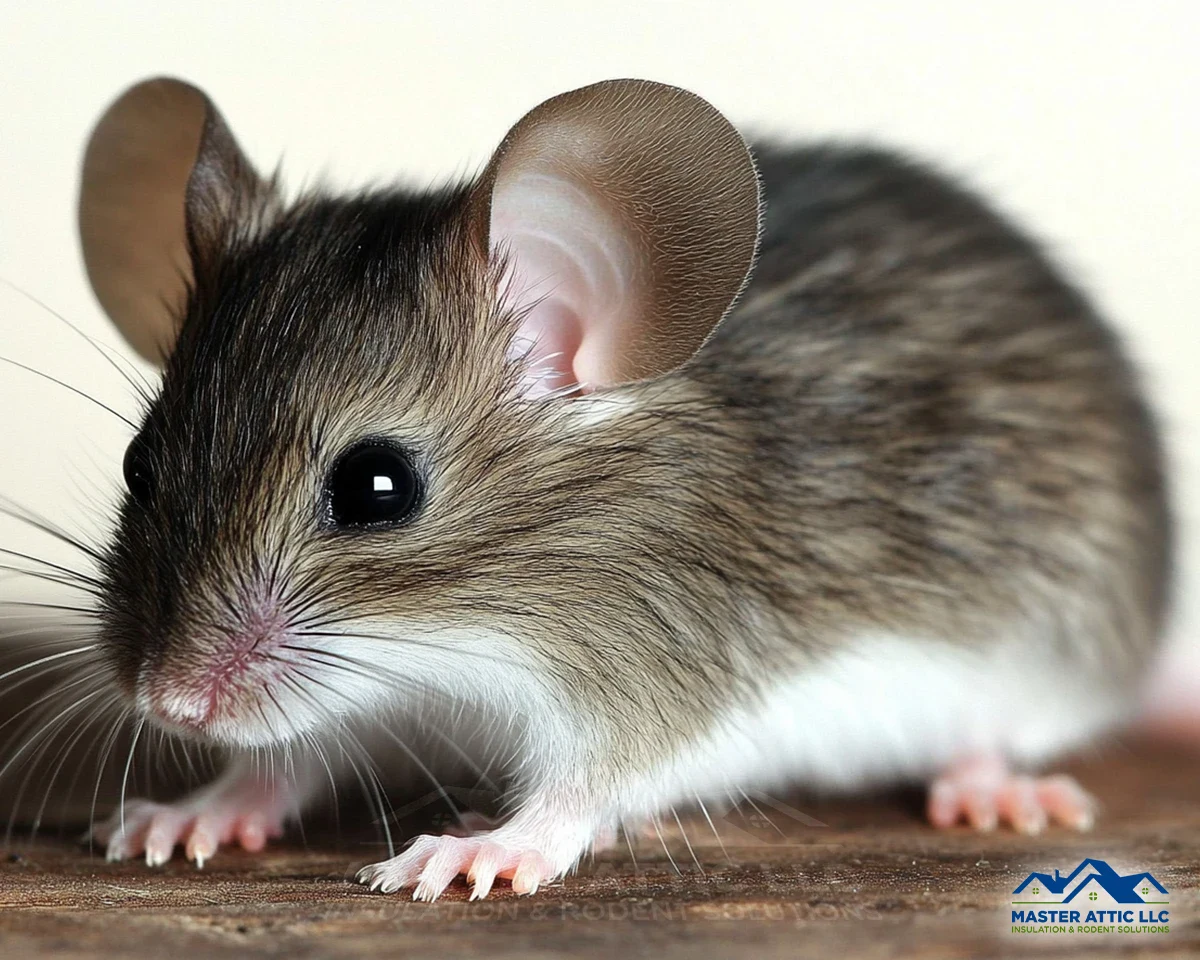
Unfortunately, deer mice are one of the most common household pests, especially in attic spaces. If an infected mouse colony makes its way into your home, they can quickly create a dangerous situation for your entire family.
How Is Hantavirus Transmitted?
Hantavirus is transmitted primarily through airborne particles. Mouse urine, droppings, and saliva can all carry trace amounts of the virus, and any inhalation of these aerosolized particles can cause an infection.
Hantavirus can also be transmitted through direct contact with the infected rodent. However, this transmission method is less common. If you touch a contaminated surface like a nest or entry point, or get bitten by a mouse that is a carrier, you can become sick as well.
What Are The Symptoms of Hantavirus?
Hantavirus pulmonary syndrome can cause severe respiratory distress, and it can also become fatal if not treated promptly. If you are dealing with a mouse infestation or were recently bitten by a mouse, watch yourself carefully over the course of the next few weeks. HPS symptoms typically develop one to eight weeks after the initial contact or transmission.
Early symptoms of a hantavirus infection include:
- Fatigue
- Fever
- Muscle aches in your large muscle groups
- Headaches
- Dizziness
- Abdominal problems
If you start to experience any of these symptoms, seek medical care right away. The earlier you are evaluated, the better chance you have of avoiding more serious symptoms.
As the infection progresses, it will settle into your respiratory system. The virus will invade the small blood vessels in your lungs called capillaries, which will cause them to leak. This leakage will cause your lungs to fill with fluid, making it hard for your lungs and heart to operate as they need to. If this happens, you will begin experiencing issues like:
- Shortness of breath
- Intense coughing
- Tightness in the chest
- Inability to take a full breath
These symptoms indicate a medical emergency, and you should seek immediate help. The longer you wait, the worse they can become, and the higher the risk that your infection will become deadly. It is important to note that there is no specific treatment for hantavirus. However, early intervention can help provide necessary supportive care during recovery.
Can You Tell if a Mouse Is Carrying Hantavirus?
Unfortunately, there is no visible or easy way to tell if the mice in your attic are carrying hantavirus. Infected mice don’t show any symptoms or act differently. They simply shed the virus in their urine and droppings, which can be inhaled or handled by you or someone else in your family.

This is why it is so important to exercise caution whenever you have a mouse in your home. You should treat any rodent like they are carrying the disease to keep yourself as safe as possible.
That being said, there are some risk factors that can increase your likelihood of contracting hantavirus.
Environmental Risk Factors For Hantavirus
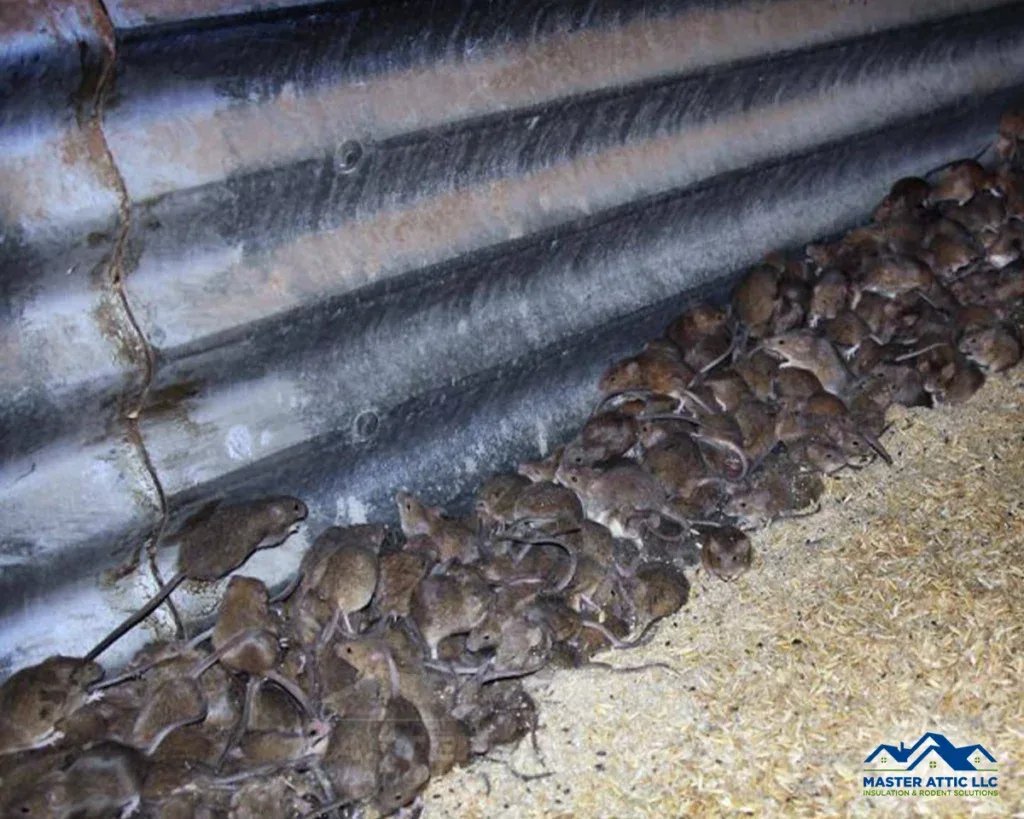
Mice thrive in wooded and natural areas, so if woods surround your home, your risk factor rises slightly. The same is true if you live on a farm or have a barn on your property. Check these spaces regularly for a sign of an infestation and act quickly if one is discovered.
Outdoor Activities and Hantavirus
While coming into contact with an infected mouse in the wild is less common, it can (and does) still happen. Camping, farming, or spending time outside in wooded areas can increase your risk of coming into contact with aerosolized hantavirus. Be aware of your surroundings and give wild rodents a wide berth.
How To Protect Yourself From Hantavirus
The good news is that protecting yourself from exposure to hantavirus occurs when you take steps to prevent rodent infestations! If you can keep them out of your home, you won’t have to worry as much about becoming infected.
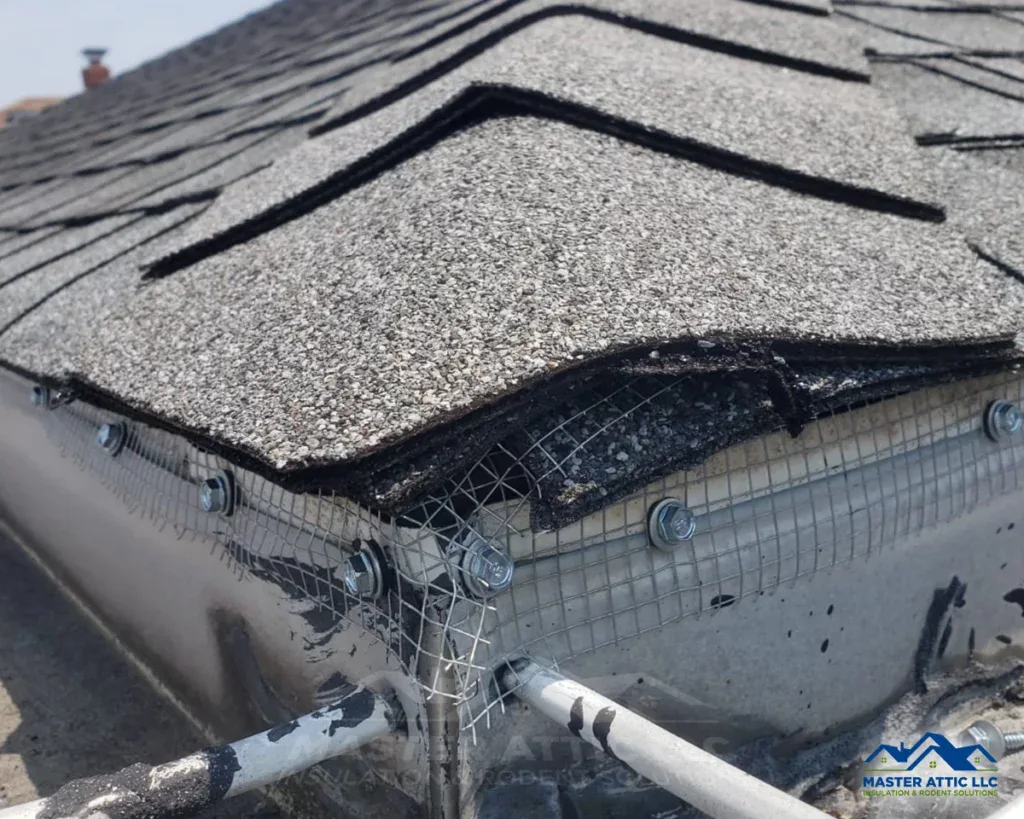
To start, seal any entry points and check your home regularly for damage. Small cracks or holes in your foundation, roof gaps, or even broken vents can become easy access points to these crafty critters.
You should also do your best to maintain a clean environment in your home. Routinely clean up clutter, garbage, and debris, all of which attract mice. Keep your yard clean and store firewood and other natural materials far away from your home.
How Do You Remove a Mouse Infestation?
With the help of a trained rodent removal team, of course! If you discover an infestation or worry you have mice in your attic, call a professionally trained mouse removal team to handle it. Since you can’t tell on your own if the mouse colony you are dealing with is infected or not, leave it to the professionals.
They have the tools and safety gear to stay protected while they work, and they can even filter the air around the infestation site to remove airborne particles. After the mice are removed, the entire space can be cleaned and sanitized to restore your peace of mind.
Hantavirus in mice is always a serious problem. Call the team at Master Attic at (800) 285-4009 for a complete and safe removal of your mouse infestation today.