
Insulating for All Seasons: The Year-Round Benefits of Attic Insulation
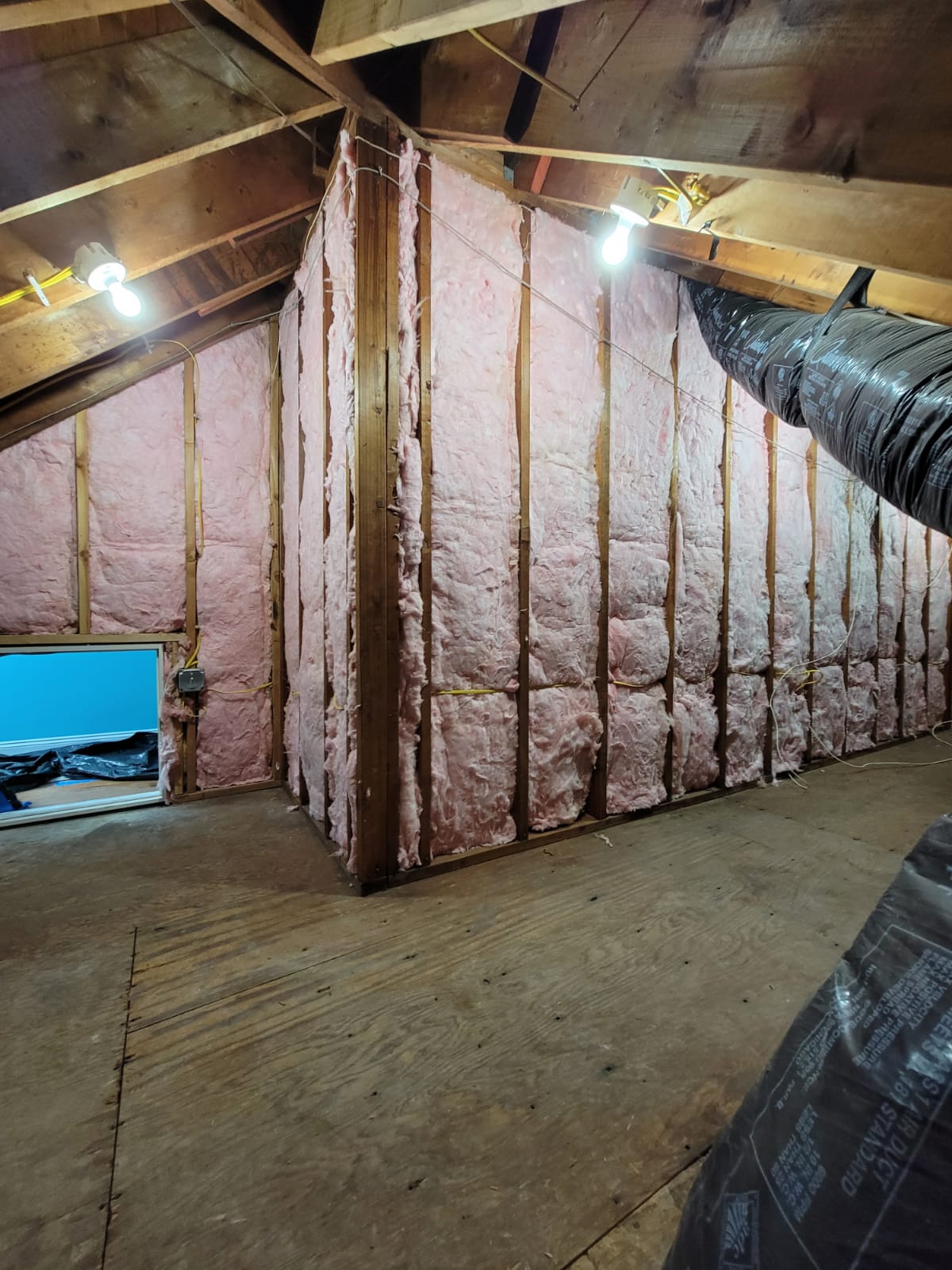
Attics are more than just an area to keep your extra storage; they’re essential to other things in your home. Builders designed attics as a protective barrier for your home to protect it from cold, heat, and other outdoor elements. For your attic to operate efficiently, you must have it properly insulated.
The majority of Americans in the United States are living in under-insulated homes. If your home doesn’t have insulation, or you haven’t updated it in quite some time, you might want to contact a professional for new insulation.
Insulation is excellent for all seasons and can benefit your home in several ways. As you continue reading below, we’ll discuss the year-round benefits of attic insulation.
What is Insulation R-Value for New Jersey?
When purchasing insulation, you’ll notice an R-Value located on the side. R-values are based on the thickness, type, and density of insulation. Typically, the higher your insulation R-Value rating, the better climate control and energy efficiency your home can have.
According to the Department of Energy, the typical R-Value for the New Jersey region is anywhere from R30 to R49 for an uninsulated attic.
What Does Attic Insulation Do?
Your attic is most likely a place in your home that isn’t thought about regularly. It might be home to your holiday decorations, old boxes of clothes and outdated furniture, but it also is a necessary part of your home’s functionality.
Attic spaces are designed to help facilitate air movement throughout your home. This air circulation reduces humidity, keeps fresh air moving and aids your HVAC system in temperature control. Insulation is installed in your attic walls, floors and ceiling to help this entire process function more smoothly.
Insulation slows energy transfer, which helps control air movement throughout the different levels of your home. As your HVAC system produces conditioned air, your home’s insulation helps control the air movement to keep you comfortable no matter the season. It keeps the heat out during the summer months and keeps the heat in during the winter.
These two processes happen passively, which means after installation, you don’t have to do anything special with your insulation for it to work hard for you!
However, you have to have the right insulation and the right amount of it for your home to function the way it should. These benefits below are some of what you can expect after you invest in the right insulation for your attic.
Year-Round Benefits of Attic Insulation
Here are six year-round benefits of attic insulation.
1. Less Wear & Tear on Your HVAC System
If you have an older home, you’re most likely familiar with drafts because of poor insulation. Poor insulation can cause your HVAC systems to work overtime and create temperature fluctuations throughout your home. Temperature fluctuation occurs more frequently in homes that have ductwork throughout their attic.
With adequate attic insulation, you can prevent cooler air from staying on your lower floors and heat from rising, which leads to less wear and tear on your HVAC system. With fewer hot rooms during the summer and less heat loss in the winter, your HVAC can last the way it’s intended to
2. Improved Comfort Indoors
Naturally, heat flows from warmer to cooler areas. Even homes with excellent HVAC systems can experience temperature fluctuations with insufficient attic insulation. Meaning rooms can become hotter or cooler much faster when the temperature changes. You might have to replace your insulation if you notice a temperature change between floors from ten to fifteen degrees.
With most bedrooms located on the top floors of American homes, insulation is excellent to keep those rooms warm during the winter and cool during the summer.
3. Improved Air Quality
Pollutants in the outdoors, such as dirt, dust, and mold, can create problems when they get inside your home through air gaps. Air gaps occur when you have poor insulation. Over time, airborne pollutants can affect your indoor air quality. Insulating your attic can prevent dirt, dust, and mold spores from spreading throughout your home.
Reducing outdoor pollutants can allow you and your family to breathe better indoors and create a healthier environment. In addition, replacing your attic insulation can remove other health hazards like rodent feces, nesting, urine, dead rodents, and of course dust and debris.
4. Safe Home Structure
When you have insulation in your attic, you can prevent structural damage to your home. Insulation can prevent water vapor from entering your home and creating water damage in your walls. Insulation can also slow down the heat that builds up in your attic.
When too much heat builds up in your attic, it can begin to make the shingles on your roof swell or crack, which can cause the plywood to soften. Furthermore, insulation can eliminate these problems and mitigate the effects of water damage.
5. Better Energy Bills
Did you know that heating and cooling accounts for 50 to 70 percent of heating and cooling costs? If you don’t have sufficient insulation in your attic, you’ll spend more out of pocket trying to keep up with heating or cooling your home. According to the EPA, you can save around 15% on energy costs by insulating and air-sealing your attic.
The amount of money you save also depends on the layout of your home and your family’s lifestyle, but attic insulation plays a primary role. Homeowners in the United States can expect to save around $780 per household in energy costs.
6. Reduced Risk of Pest Problems
Attic insulation does more than keep your home comfortable! The right insulation in your attic space also acts as a buffer between the outside world and your living spaces. Pests like rodents or insects can get into the tiniest of cracks or gaps in your roof line, and once they are inside your home, they can cause some serious chaos. Structural damage, ruined insulation and electrical problems are just a few of the issues that pests can cause in an underinsulated home.
How To Choose Attic Insulation
Attic insulation has come a long way in recent years, so it is important to get a professional opinion when it comes to choosing the right insulation for your attic. Different insulation materials have different strengths and considerations, so making sure you get it right the first time is essential to your home’s health and your own budget.
It is also important to let a professional insulation team install your new insulation material. Attempting to do it yourself can open your home up for future problems down the road if you get it wrong. Too much insulation can cause humidity and heat problems, and too little can make your home drafty and unreliable.
Why You Should Choose Master Attic for Your Attic Insulation
Over time, insulation can begin to decompress due to moisture that rises to your attic. Insulation has a life expectancy of twenty or more years, but after that, you might notice its R-Value decreasing.
Getting new attic insulation is essential and can benefit your home during every season of the year. It’s vital to improving your home’s energy efficiency and minimize outdoor pollutants.
If you’re thinking about insulating your attic, contact our professionals today for a free estimate.
Frequently Asked Questions
When is the best time to insulate my attic?
There isn’t a better or worse time to do your attic as Master Attic works year-round.
If you’re experiencing issues with rodents or energy issues, the sooner you can take care of it the fewer long-term issues you can avoid to the rest of your home.
What is the best year-round benefit of insulating my attic?
One of the most significant year-round benefits of insulating your attic is less wear and tear on your HVAC system.
What is the R-Value for insulation in New Jersey?
The R-Value for insulation in New Jersey for an uninsulated attic is anywhere from R30 to R49.