
Crawl Space Insulation: Expert Advice and Tips
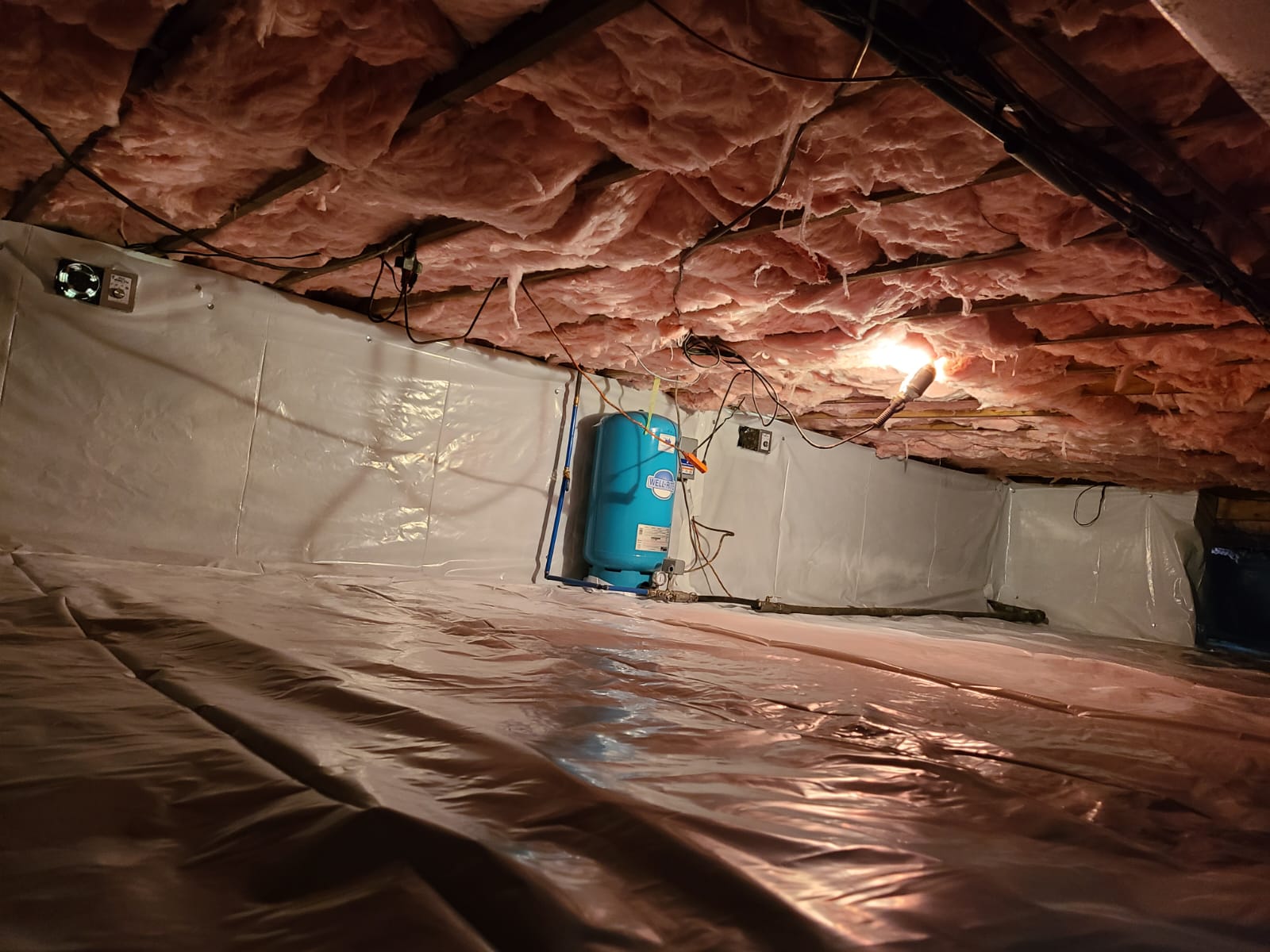
As homes begin to evolve in the United States, crawl spaces are becoming less and less common. When dealing with crawl space insulation, there’s a process professionals must use to ensure your crawl space remains free from moisture. Crawl space insulation is a protective barrier from the outside elements and is best to protect your home from your climate.
As you continue reading below, we’ll discuss six expert advice and tips when installing crawl space insulation in your home.
Understanding the Crawl Space Environment
When you have high temperatures and low humidity in your crawl space area, this could cause your crawl space to become wet. If you have high humidity and low temperatures, this could cause your crawl space to become dry. If the temperature and humidity are not accurate, this may cause unwanted moisture in your crawl space.
Before you have new crawl space insulation installed, it’s essential to have one of our professionals assess the environment. Since crawl spaces are prone to mold, moisture, and dampness, you’ll want to ensure that these areas are taken care of before installation. New crawl space insulation will prevent the transfer of humidity and cold air from damaging your home.
Choosing the Right Insulation for Your Crawl Space
When deciding on the right crawl space insulation for your home, you can choose from Batt Insulation and Rigid Foam Insulation. When installed by professionals, rigid foam insulation would be installed against the walls of your crawl space. When installing batt insulation, this type of insulation is installed in the rim joists of your crawl space.
Batt Insulation
Batt insulation is one of the most common types of crawl space insulation that is used by professionals. Batt insulation can be quickly installed, gives a snug fit, and gives you outstanding sound and thermal control. Our professionals at Master Attic can install batt insulation in your crawl space ceiling joists.
Benefits
- Top-rated by professionals: proven to have the best quality, appearance, and productivity.
- Great performance: gives outstanding thermal and sound control properties.
- Minor cleanup: creates a minimal amount of dust during installation.
- Quick installation: fabricates to make for a quick and easy installation.
- Amazing quality: made of resilient fibers that are easily cut.
- Inexpensive
For maximum effectiveness, batt insulation must be installed and fitted correctly. Give us a call at Master Attic to determine if batt insulation is the best option for your crawl space.
Rigid Foam Insulation
Rigid foam insulation are sheets of foam made to various sizes to fit your crawl space area. Rigid foam insulation has a closed-cell construction, which is fully encapsulated.
Benefits
- Rigidity: The rigid foam’s closed-cell construction creates rigidity, which makes it very easy to work with when installing new crawl space insulation. You can install this insulation against walls, rim joist cavities, and other areas when insulating your crawl space.
- Lightweight: Rigid foam insulation is 2% plastic and 98% air.
- Stops moisture and air: Closed cell construction prevents moisture and air from passing through. Rigid foam insulation will keep unwanted dampness out of your crawl space and seal it from air leaks. Our professionals at Master Attic can conduct air gap sealing to save on energy costs.
Disadvantages
One of the only cons about rigid foam insulation for crawl spaces is that it costs more than fiberglass insulation. Because of its higher costs, this makes it one of the less-preferred options.
Types Of Effective Insulating Material
The professional licensed technicians of Master Attic, LLC will shine the light on such areas as rim joists — the space that supports the home’s flooring, the walls, the flooring of the space, the natural environment surrounding a home, vented or unvented crawlspace, and the HVAC system as part of the space to determine the most effective type of insulation material for this space. Effective insulation material includes:
Joist insulation
Fiberglass insulation is placed in the ceiling joists of the crawlspace at a minimum of R-19 to R-30 in size and is secured with metal joist rods to secure the batt insulation to the ceiling and hold it, so it does not fall out of place.
Vapor Barriers
A vapor barrier is best for covering the dirt floor of a home’s crawlspace. Vapor barriers prevent condensation from forming from natural ground moisture and outside watering systems
or rain that seeps into this deep space under a home. A vapor barrier is a polyethylene plastic sheeting at least 6 millimeters thick. It is to manage the moisture and condensation that inevitably forms in unventilated crawlspaces, bringing mold to grow and warp the wood rim joists. A vapor barrier can also block access to ground gasses known as radon.
Duct And Pipe Insulation Material
If the HVAC ductwork and plumbing pipes are exposed to air and moisture, a 5-millimeter insulation material wrapped around ducts will improve the operational efficiency of the heating and cooling system. A pipe tape or adhesive pipe cover effectively insulates exposed plumbing pipes.
Crawlspace Encapsulation
Crawlspace encapsulation is a process of fully enveloping the floors, foundation walls, and the rim joists above the floor with heavy-duty polyethylene plastic sheeting. Crawlspace encapsulation provides excellent energy efficiency of the HVAC system; it keeps the floors of the home space warm in winter and cooler in summer, and all moisture issues are eliminated from under the home, which prevents musty, wet odors from entering the ducts of the furnace heat system and air conditioning unit. Concisely, encapsulation makes for a much healthier home.
6 Crawl Space Insulation Tips for Homeowners
Here are six crawl space insulation advice and tips for homeowners.
1. Check the Condition of Your Foundation
If you’ve ever experienced issues with your home’s foundation, you know the repair costs can be expensive. Before insulating your crawl space, you should take the time and effort to handle any foundation issues. Installing crawl space insulation before addressing foundation issues covers the problem and costs more money in the long run.
If there’s any evidence of foundation issues in your home, you can contact a local expert to determine how to handle these areas before installing crawl space insulation.
Some of the common causes of crawl space foundation problems are:
- Drainage problems around your home’s foundation
- Rotted support piers
- Improperly installed screw jacks
- Very little support piers
- Swelling and shrinking support piers that make them non-vertical
2. Check Your Building Codes
Local building codes regulate a homeowner’s crawl space, construction, and insulation in every area. Before having a professional install your crawl space insulation, you should research your local building codes to ensure you follow the proper regulations to install your crawl space insulation safely.
3. Keep Your Crawl Space Away from Outdoor Air
The question of whether or not to vent your crawl space is virtually nonexistent now. A vented crawl space works if you live in a warm and dry environment. However, crawl space encapsulation and insulation can help keep moisture and air out and is the best option for your home, if you have a dirt floor.
To isolate your crawl space from the outdoors, you should seal off your foundation and air vents from the outdoors.
4. Remove Standing Water
Having insufficient crawl space insulation might only be the beginning of your worries. Standing water is another common problem that occurs in crawl spaces. To keep your crawl space dry, you should have any drainage issues handled before tackling moisture issues.
One way to remove standing water from your crawl space is to direct your downspouts away from your home, clean your gutters, and seal any cracks in your foundation. You must address standing water issues before installing crawl space insulation in your home.
5. Install a Vapor Barrier
One of the best tips when installing crawl space insulation is to have a vapor barrier to prevent moisture from rising off the ground. With a vapor barrier, a professional lays a four or 6-millimeter sheet of plastic down on your floor, keeping inches exposed on every edge where it contacts your insulation.
If you use your crawl space for storage, you can use a thicker vapor barrier to account for the extra storage and weight.
6. Insulate Your Rim Joists
One of our last tips when installing crawl space insulation is to insulate your rim joists. Your rim joists are prone to condensation formations due to temperature changes between the inside and outside of your crawl space. Have a professional install your rim joists while ensuring your insulation has the recommended R-Value.
Why You Should Choose Master Attic for Your Crawl Space Insulation
To help protect the floors in your home and your home’s structure and to decrease energy costs, crawl space insulation is essential. This area of your home is prone to moisture and dampness, so installing your crawl space insulation correctly is vital.
At Master Attic, our licensed professionals understand the importance, so we provide only the best services that exceed all expectations. Our professionals can inspect your crawl space to ensure it’s good to go before we install your insulation.
Whether you need new crawl space insulation or a replacement, our experts have you covered. Contact our experts to have your crawl space insulation professionally installed.
Frequently Asked Questions
Can I install insulation over a cracked foundation?
While you technically could, addressing foundation issues is recommended to avoid future damages and high costs.
Can I install insulation in a wet crawl space?
Remove all standing water to avoid damaging your new insulation, and ensure your crawl space is dry.
Can I insulate my crawl space rim joists?
Yes, you can insulate your crawl space rim joists.